Archaeology.Today
Field Report

Greek Spelling Offers New Clue to the Wearer of the Pilate Ring

A UCLA scholar argues that a 2,000-year-old copper-alloy ring from Herodium bears a Greek transliteration of the Latin name Pilate. Rather than belonging to Pontius Pilate, the ring may have been used by an enslaved or formerly enslaved worker connected to Judea’s Roman administration.

September 2, 2026
1 Source
Herodium
Greek Spelling Offers New Clue to the Wearer of the Pilate Ring
The Story

A new analysis of a small copper-alloy ring excavated at Herodium proposes that its unusual Greek lettering may refer to Pontius Pilate, while suggesting that the object was probably worn by someone who worked within the administrative network of Roman Judea rather than by the governor himself.

The ring was recovered during excavations in the 1960s and remained in storage for more than five decades. Its existence became widely known in 2018, when Israeli scholars described the object and dated it to about 2,000 years ago. The inscription, ΠΙΛΑΤΟ, appears beside an engraved pottery vessel.

Catherine Bonesho, a professor at the University of California, Los Angeles, presents the latest interpretation in an article published in Palestine Exploration Quarterly. She argues that the inscription represents the Latin form PILATO written using Greek letters. In Latin, that form can mean “for Pilate” or “to Pilate.”

The spelling is central to the debate. An earlier interpretation proposed that ΠΙΛΑΤΟ was intended to mean “belonging to Pilate,” but that it was missing the Greek upsilon expected in the transliteration of the Latin genitive form PILATI. A 2023 study instead argued that the letters on either side of the vessel represented two separate words and that the ring was unrelated to Pilate.

Bonesho’s explanation focuses on the final vowel. The Latin dative form PILATO would conventionally be represented in Greek with an omega, ΠΙΛΑΤΩ, rather than an omicron, Ο. She suggests that a craftsperson with limited knowledge of Latin could have retained the visually similar omicron when transferring the Latin name into Greek. The lettering may have been split into two groups because the vessel had already been engraved, or because a defect limited the available space. The second group’s rotated orientation may also reflect an attempt to fit the remaining letters onto the ring.

According to the analysis, the ring may have been used to press Pilate’s name into wax or clay seals on materials sent to Pilate or his associates. Its copper-alloy construction, rather than gold or a gem-set design, points—tentatively—to a wearer of lower social status. Bonesho also notes that the vessel motif was common in Judea and may support the possibility that the user was a local Judean worker.

The proposed interpretation does not identify the ring’s owner. Instead, it offers a possible glimpse of enslaved or formerly enslaved personnel and other lower-level workers involved in the administration of Roman Judea.

Reference Desk

Sources & Further Reading

Continue Exploring

Related Archaeology

More stories
Roman Shipwreck Carrying Hundreds of Amphorae Found off Sicily
01
Underwater Archaeology
Score 75

Roman Shipwreck Carrying Hundreds of Amphorae Found off Sicily

Italy’s Carabinieri cultural heritage protection unit has located a Roman shipwreck about three miles off Mazara del Vallo, Sicily. The approximately 2,100-year-old vessel contains around 500 amphorae, along with parts of anchors, and will undergo further scientific documentation.

Read story
Fragments Reveal Previously Unknown Fourth-Century Roman Law Book
02
Artifacts
Score 75

Fragments Reveal Previously Unknown Fourth-Century Roman Law Book

A University of Cincinnati scholar and the Penn Museum have joined 50 animal-skin fragments into a double-sided page from a late-fourth-century Roman legal text. The Latin manuscript discusses taxation and public infrastructure but does not match any previously known imperial legal code.

Read story
Domestic Buildings and Workshops Found Near Memphis Temple
03
Ancient Civilizations
Score 20

Domestic Buildings and Workshops Found Near Memphis Temple

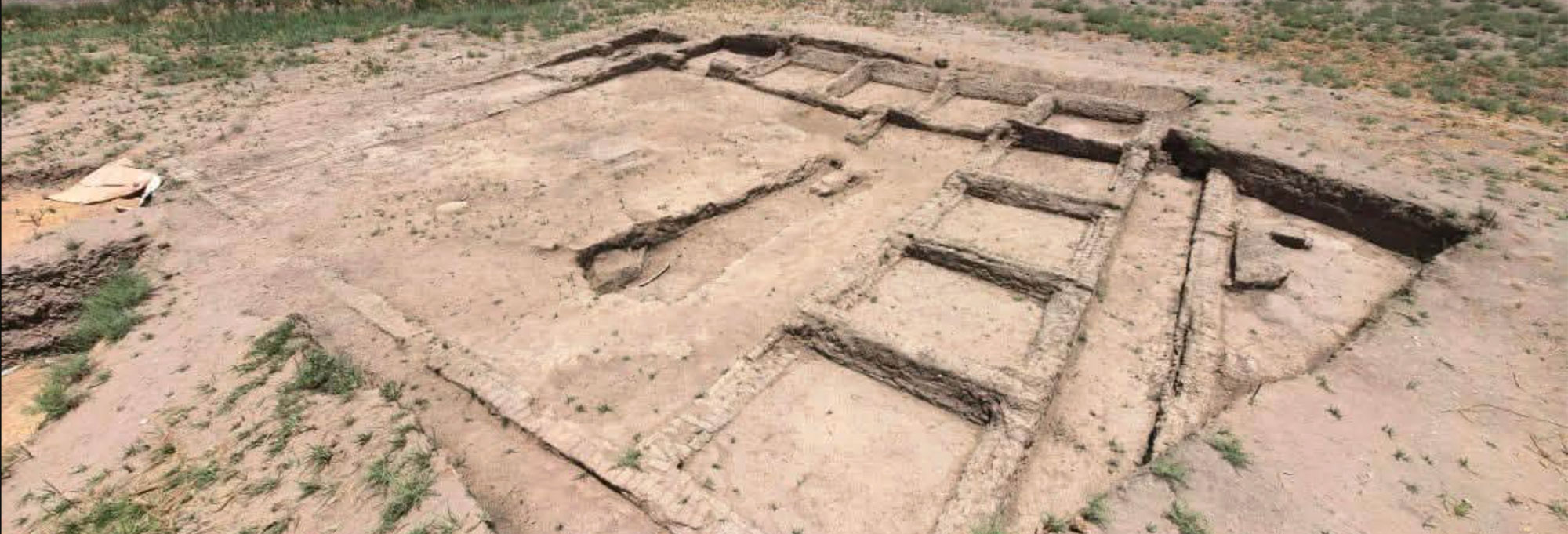
A joint Egyptian-Chinese team has uncovered adobe buildings, workshops, and a possible winepress near the Temple of Sekhmet in Memphis. Ceramics, faience amulets, and votive plaques may indicate that religious activity continued there into the Greco-Roman period.

Read story
LiDAR Survey Reveals More Than 20,000 Amazonian Earthworks
04
Archaeological Science
Score 20

LiDAR Survey Reveals More Than 20,000 Amazonian Earthworks

A study using canopy-penetrating LiDAR has expanded the known distribution of precolonial earthworks in southwestern Amazonia. The researchers tentatively estimate that the region’s population reached between 1.25 million and 3 million people around AD 100–300, although the estimate depends on evidence from a limited survey area.

Read story
Skeleton Found Inside Giant Roman Jar at Bulgarian Fortress
05
Bioarchaeology
Score 20

Skeleton Found Inside Giant Roman Jar at Bulgarian Fortress

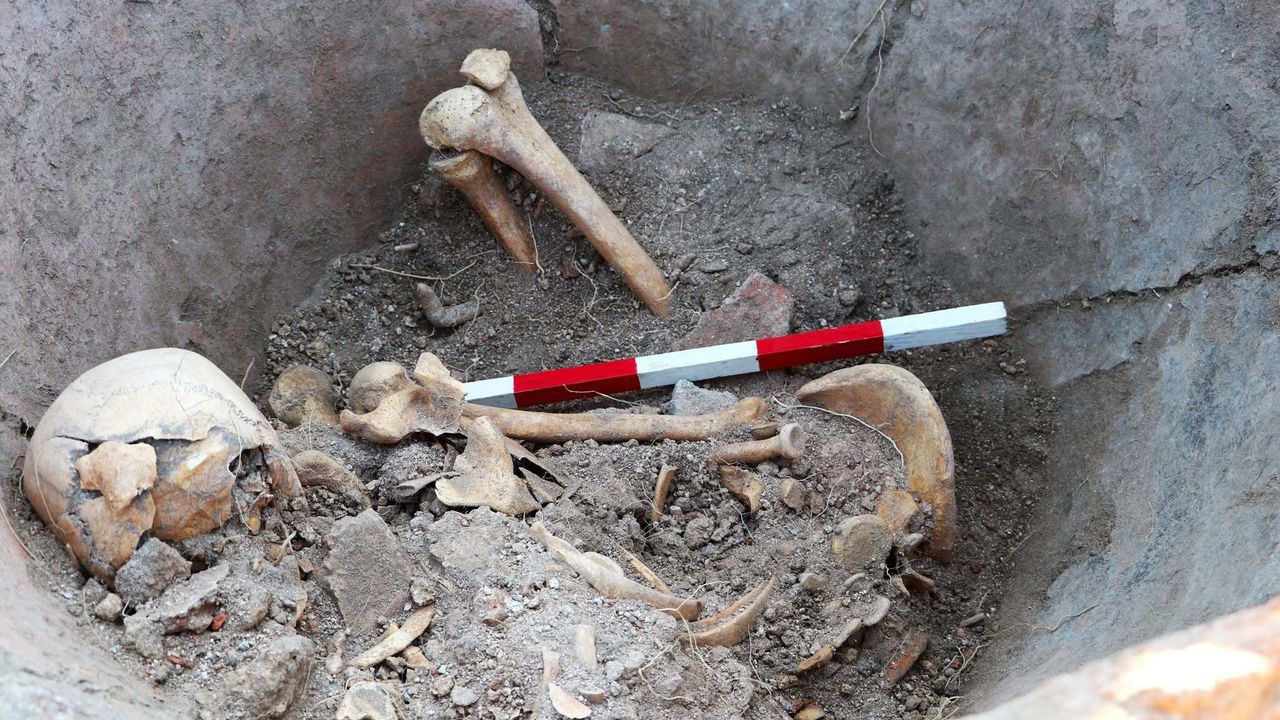
Archaeologists excavating the Roman colony of Deultum in Bulgaria found a human skeleton inside a large storage jar, or dolium. The remains may belong to a young man who sought shelter during an attack and fire around A.D. 400, but researchers have not yet established how he died.

Read story
Denmark’s Largest Known Viking Age Silver Hoard Found in a Backyard
06
Artifacts
Score 20

Denmark’s Largest Known Viking Age Silver Hoard Found in a Backyard

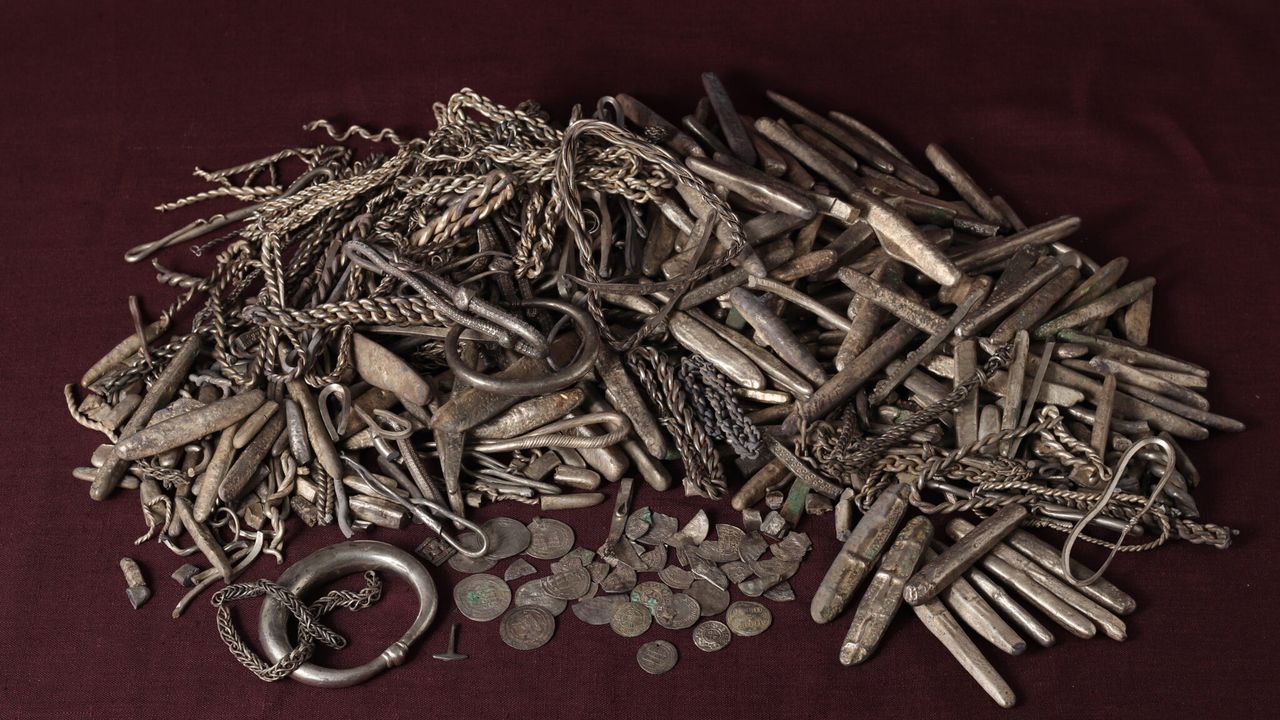
A homeowner in Rebild discovered about 18.5 kilograms of silver while preparing a terrace. The roughly 1,100-year-old hoard contains around 700 objects, including coins, bars, jewelry and a small Thor’s hammer, and is nearly three times larger than Denmark’s previous largest known Viking Age silver hoard.

Read story