Archaeology.Today
Field Report

Domestic Buildings and Workshops Found Near Memphis Temple

A joint Egyptian-Chinese team has uncovered adobe buildings, workshops, and a possible winepress near the Temple of Sekhmet in Memphis. Ceramics, faience amulets, and votive plaques may indicate that religious activity continued there into the Greco-Roman period.

September 2, 2026
1 Source
Memphis
Domestic Buildings and Workshops Found Near Memphis Temple
The Story

Researchers from Egypt’s Supreme Council of Antiquities and the Shanghai Museum have uncovered domestic structures and workshops near the Temple of Sekhmet in Memphis, according to Archaeology Magazine, which cited a report by La Brújula Verde.

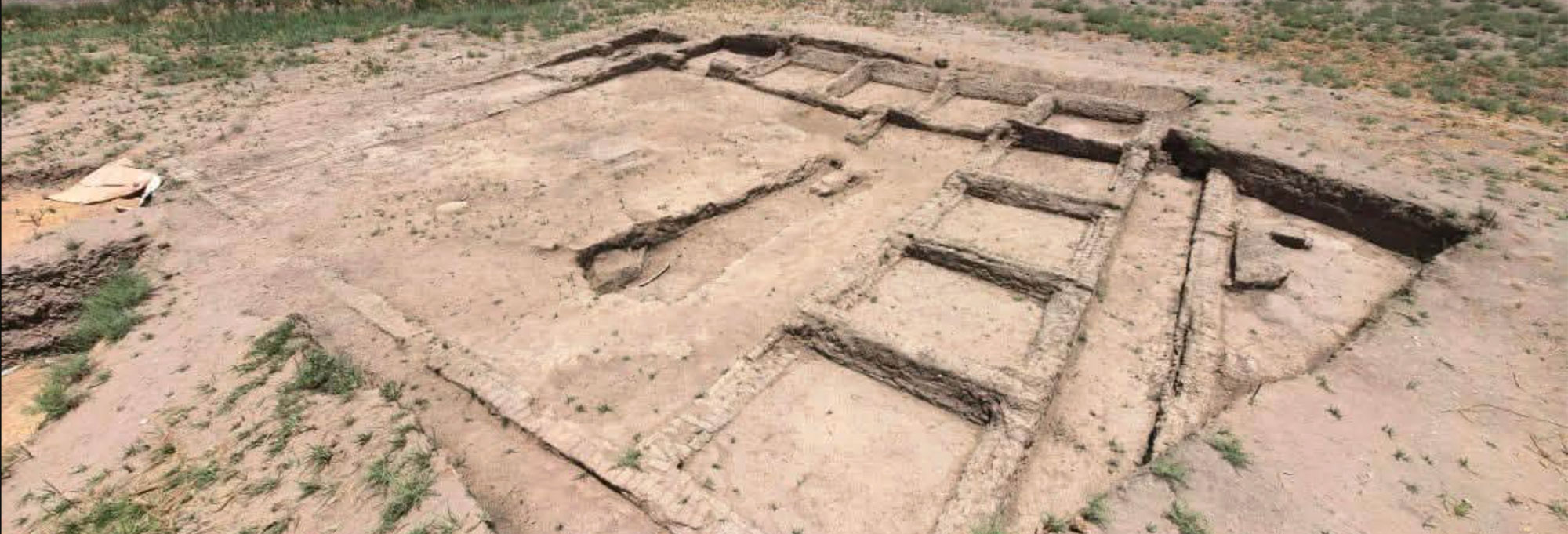
The remains were found in an area that appears to have changed in character over time. The buildings were constructed from adobe, reused stone blocks, and fragments of sculpture thought to have originated at the Temple of Ptah, formerly the city’s main sanctuary. The finds suggest that parts of the temple surroundings were later occupied for residential and craft activities.

The team also identified a feature that may have been a winepress. It consists of a limestone basin with a sloping surface leading toward a central opening and a lower basin. The reported form is consistent with processing activity, but the source describes its function as possible rather than confirmed.

Artifacts recovered from the area include ceramic fragments, faience amulets, and votive plaques. According to the report, these objects may indicate that people continued to make devotional offerings at the site into the Greco-Roman period. That activity would have occurred after Memphis’s temples had fallen out of use and the surrounding area had become a residential neighborhood.

The finds therefore provide evidence for changing use of the temple area, from a location associated with major religious monuments to one containing homes and workshops, while some forms of devotion may have persisted. The report does not establish whether every structure or object was directly connected to the Temple of Sekhmet or the earlier Temple of Ptah.
Reference Desk

Sources & Further Reading

Continue Exploring

Related Archaeology

More stories
Old Kingdom Official’s Tomb and Burial Shafts Found at Saqqara
01
Bioarchaeology
Score 95

Old Kingdom Official’s Tomb and Burial Shafts Found at Saqqara

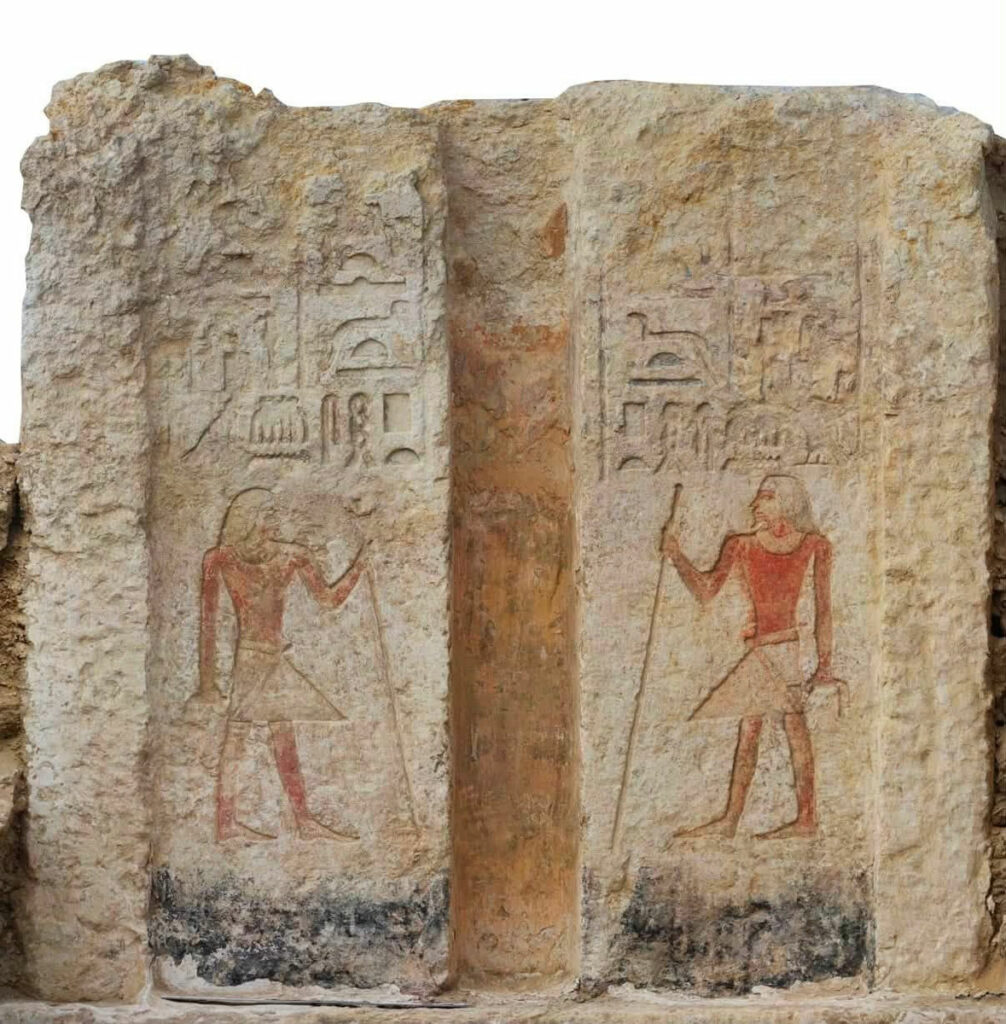
An intact tomb belonging to the high-ranking official Sekhentio-Ptah has been uncovered in Saqqara’s Bubasteion Necropolis, along with interconnected burial shafts. The discovery includes inscribed funerary elements, alabaster ritual objects, human remains and more than 100 faience ushabti figurines.

Read story
Fragments Reveal Previously Unknown Fourth-Century Roman Law Book
02
Artifacts
Score 85

Fragments Reveal Previously Unknown Fourth-Century Roman Law Book

A University of Cincinnati scholar and the Penn Museum have joined 50 animal-skin fragments into a double-sided page from a late-fourth-century Roman legal text. The Latin manuscript discusses taxation and public infrastructure but does not match any previously known imperial legal code.

Read story
Proteins Reveal Complex Paint Recipes in Ancient Egyptian Artworks
03
Ancient Civilizations
Score 85

Proteins Reveal Complex Paint Recipes in Ancient Egyptian Artworks

A study of 28 microscopic samples from 14 Egyptian artworks has identified animal glues from several species along with plant proteins linked to sesame and moringa. The findings suggest painters may have used seed-processing byproducts, offering new information for both ancient craft history and conservation.

Read story
Roman Shipwreck Carrying Hundreds of Amphorae Found off Sicily
04
Underwater Archaeology
Score 40

Roman Shipwreck Carrying Hundreds of Amphorae Found off Sicily

Italy’s Carabinieri cultural heritage protection unit has located a Roman shipwreck about three miles off Mazara del Vallo, Sicily. The approximately 2,100-year-old vessel contains around 500 amphorae, along with parts of anchors, and will undergo further scientific documentation.

Read story
LiDAR Survey Reveals More Than 20,000 Amazonian Earthworks
05
Archaeological Science
Score 40

LiDAR Survey Reveals More Than 20,000 Amazonian Earthworks

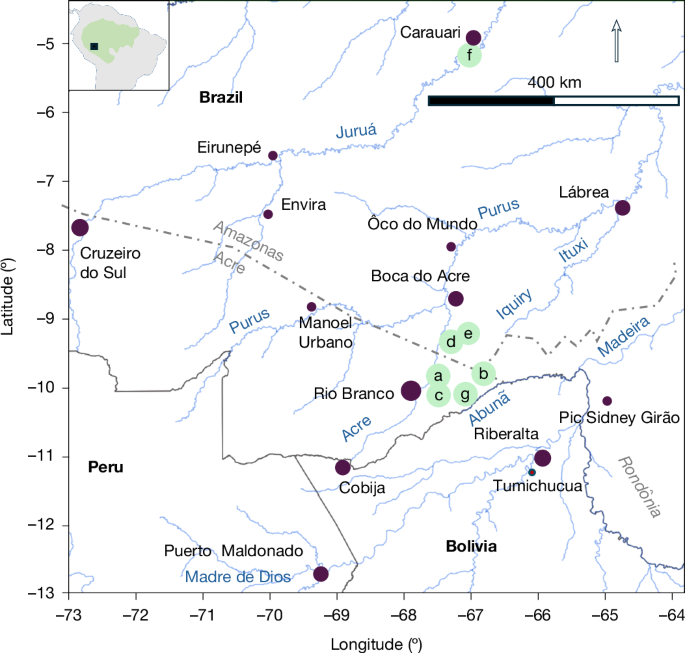
A study using canopy-penetrating LiDAR has expanded the known distribution of precolonial earthworks in southwestern Amazonia. The researchers tentatively estimate that the region’s population reached between 1.25 million and 3 million people around AD 100–300, although the estimate depends on evidence from a limited survey area.

Read story
Skeleton Found Inside Giant Roman Jar at Bulgarian Fortress
06
Bioarchaeology
Score 40

Skeleton Found Inside Giant Roman Jar at Bulgarian Fortress

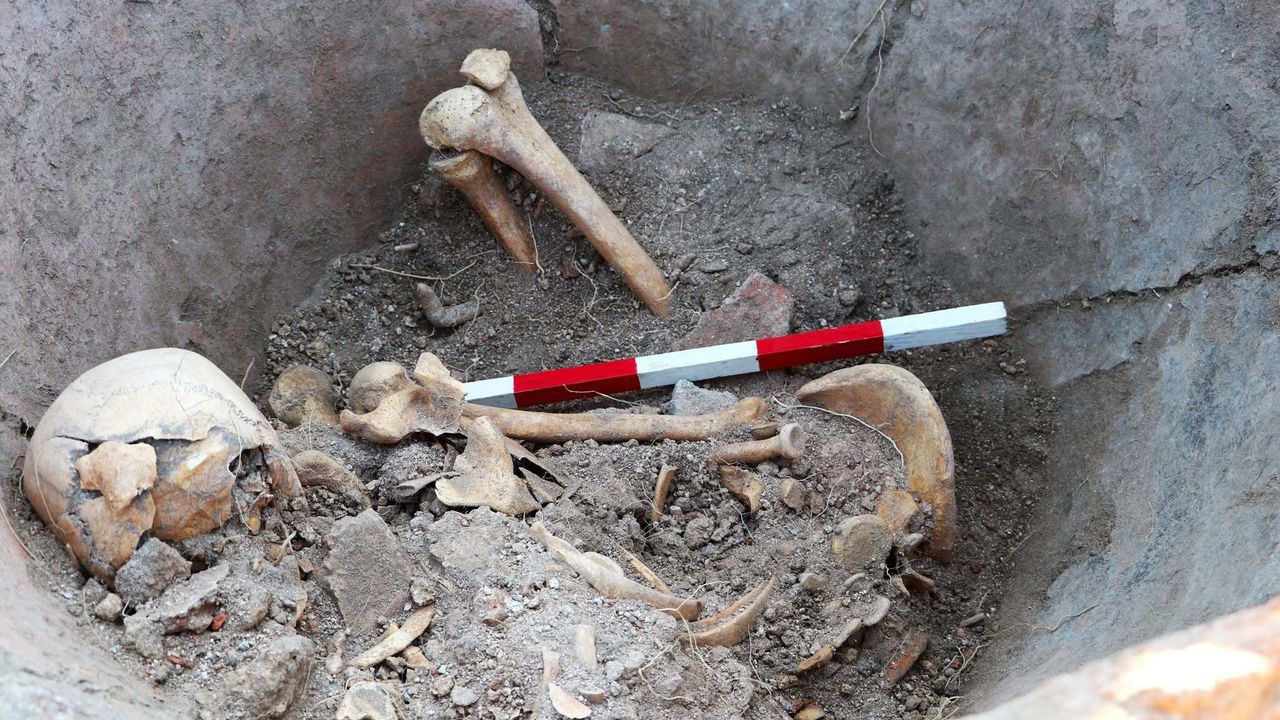
Archaeologists excavating the Roman colony of Deultum in Bulgaria found a human skeleton inside a large storage jar, or dolium. The remains may belong to a young man who sought shelter during an attack and fire around A.D. 400, but researchers have not yet established how he died.

Read story