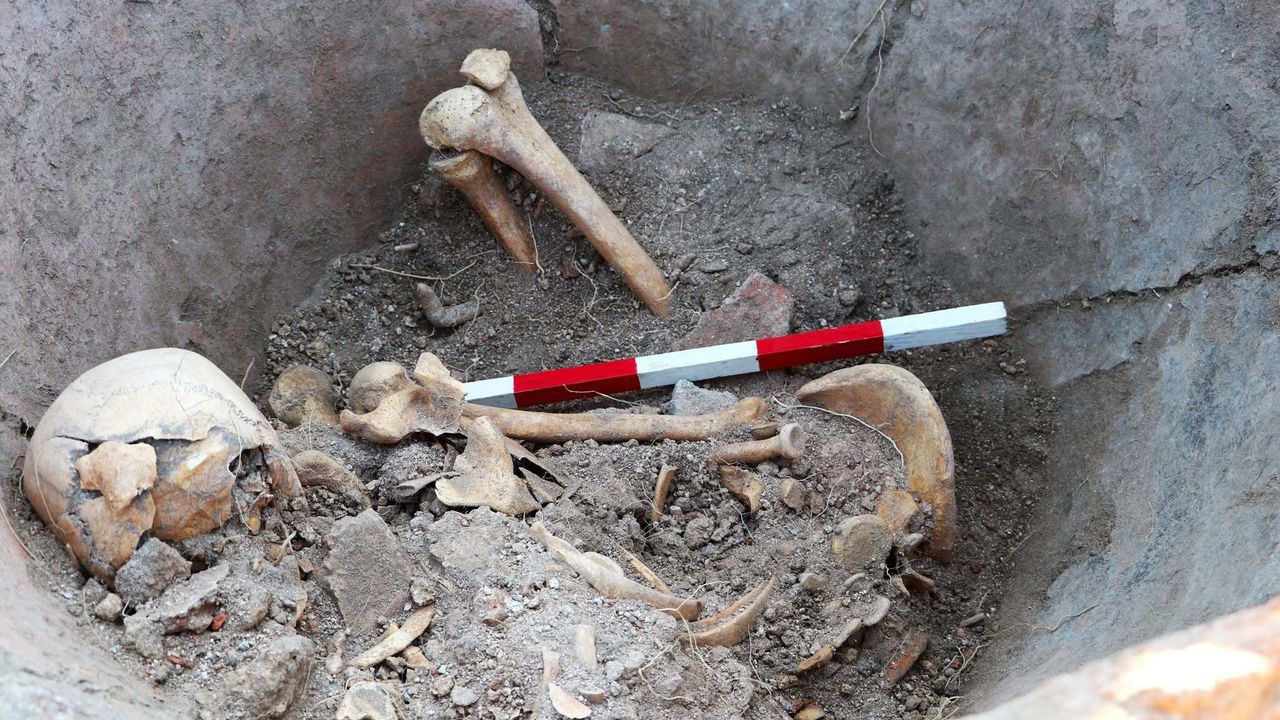
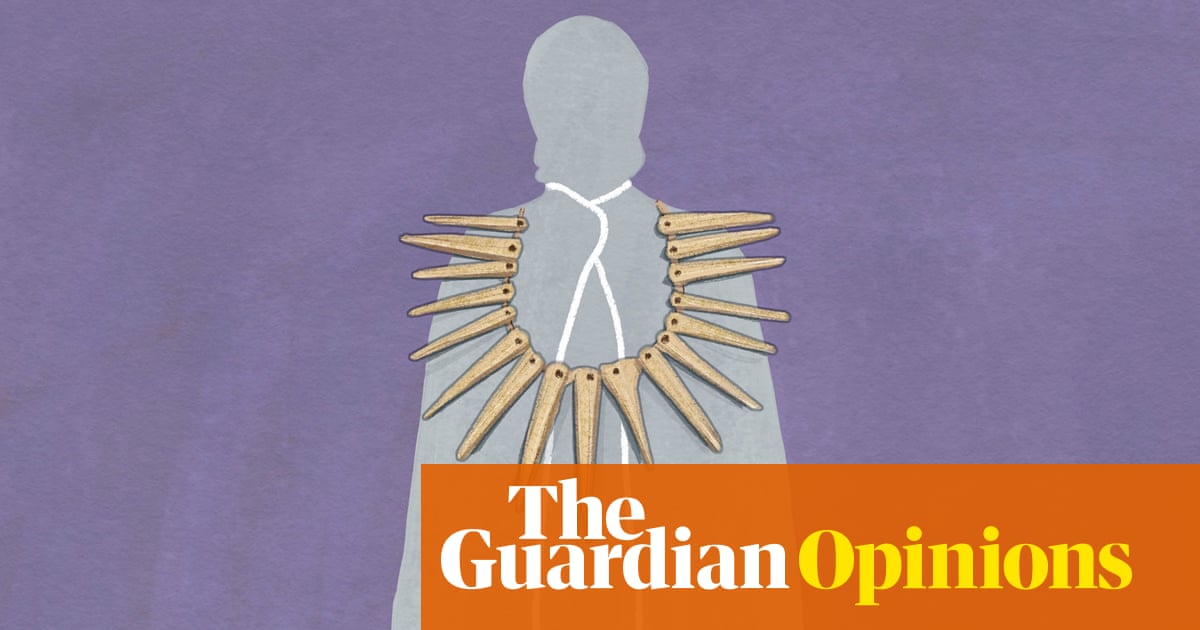
Ancient DNA analysis has identified the Upton Lovell Shaman, a 4,000-year-old individual from what is now Wiltshire, as a woman rather than a man. The body is held by the Wiltshire Museum, and the analysis was performed at the Francis Crick Institute.
Archaeologists have interpreted the burial goods as evidence that the individual may have been an important religious leader and metalworker. Tools and other artefacts were buried with the body, but the earlier identification as male rested on considerably weaker evidence. The assumption appears to have been linked to the presumed status of the person and was rarely questioned.
The finding is part of a wider shift in archaeological research enabled by improvements in the extraction and analysis of DNA from ancient, poorly preserved remains. Since around 2010, ancient DNA research has helped investigate migration, sexual relationships, family structures, plagues and diseases.
This work has also indicated that ancient human groups moved and intermixed more often than previously thought, presenting a more dynamic picture of the past. Genetic evidence suggests that the Neolithic population associated with Stonehenge nearly disappeared only a few centuries after the arrival of the Bell Beaker people around 2400 BC. However, DNA alone cannot explain why or how such population replacement occurred.
The Upton Lovell result also highlights the limits of interpretations shaped by modern expectations. The source compares it with research on plaster casts from Pompeii that were long believed to depict a mother and child embracing. That study found that the two individuals were not related and that the adult was male; there had been no published evidence establishing either their sex or their family relationship.
Ancient DNA does not provide a complete account of the past, and it will not resolve every uncertain interpretation. But the identification of the Upton Lovell Shaman as a woman shows how scientific evidence can expose assumptions that had become accepted despite limited support. It also underscores the continuing need to distinguish archaeological evidence from interpretations imposed upon it.