Archaeology.Today
Field Report

Study Warns of Health Risks in Trade of Mummified Human Remains

A peer-reviewed study examining 128 online listings found mummified human remains, including heads, hands and feet, offered through social media, e-commerce sites and auction houses. Researchers warn that deterioration, dormant microorganisms and toxic preservation materials could endanger buyers, sellers and workers handling shipments.

September 2, 2026
1 Source
Study Warns of Health Risks in Trade of Mummified Human Remains
The Story

A growing online trade in mummified human remains may expose buyers and the wider logistics industry to biological and chemical hazards, according to a peer-reviewed study published in the International Journal of Cultural Property and online by Cambridge University Press.

The research examined 128 posts and listings across Meta platforms, e-commerce sites, web stores and auction houses. It found that isolated hands and feet were frequently offered, followed by whole mummified heads. Heads in some form—including complete or partial heads, skulls or crania retaining soft tissue or hair, and tsantsas—made up 51.6% of the sample.

The researchers reported numerous examples showing clear signs of biodeterioration. They also found that sellers generally supplied no safety guidance, while postal and courier services were often used to move the remains to buyers. The authors describe the trade as “semi-clandestine, often illicit” and say its expansion through digital platforms has increased exposure to potential risks.

Mummification, whether natural or deliberate, slows decomposition through physical and chemical processes. The materials used over time have included toxic heavy metals such as arsenic, mercury and lead. The remains may also retain dormant microorganisms after centuries of drying. Fungal spores can become airborne when deteriorated material is moved or disturbed, creating a possible inhalation hazard.

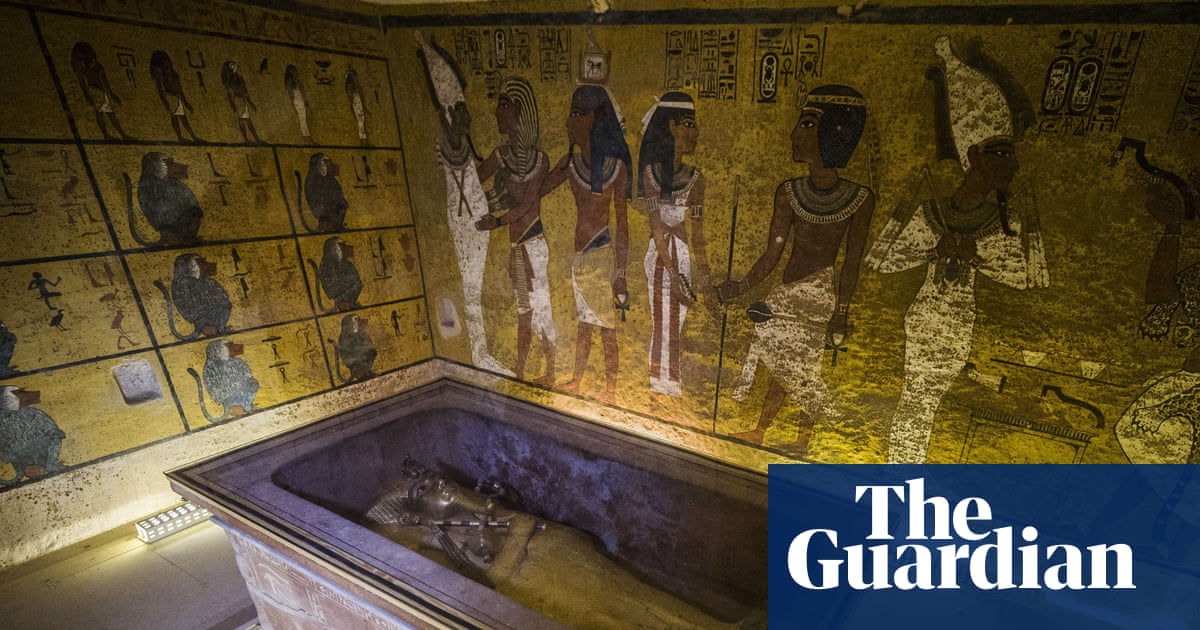
The paper notes earlier cases associated with exposure to mummified remains. It states that inhaled Aspergillus spores were blamed for the deaths of 10 of 12 conservation scientists who opened the tomb of King Casimir IV of Kraków in the 1970s. It also says severe aspergillosis may have contributed to the 1923 death of Lord Carnarvon, who funded the exploration of Tutankhamun’s tomb, although that case has been cited in connection with the later “mummy’s curse” myth.

Kirsty Squires, a professor of human bioarchaeology at the University of Staffordshire, conducted the research with Dario Piombino-Mascali, Clara Urzì and Damien Huffer. Squires said some sellers mentioned a “mummy smell,” which may indicate biodeterioration, while photographs showed remains displayed in domestic settings without protective cases or suitable environmental controls.

The researchers warn that the risks may extend beyond traders and collectors. Warehouse employees, drivers, transport-hub staff and customs officials could also encounter the remains without the personal protective equipment needed for initial handling.
Reference Desk

Sources & Further Reading

Continue Exploring

Related Archaeology

More stories
LiDAR Survey Reveals More Than 20,000 Amazonian Earthworks
01
Archaeological Science
Score 45

LiDAR Survey Reveals More Than 20,000 Amazonian Earthworks

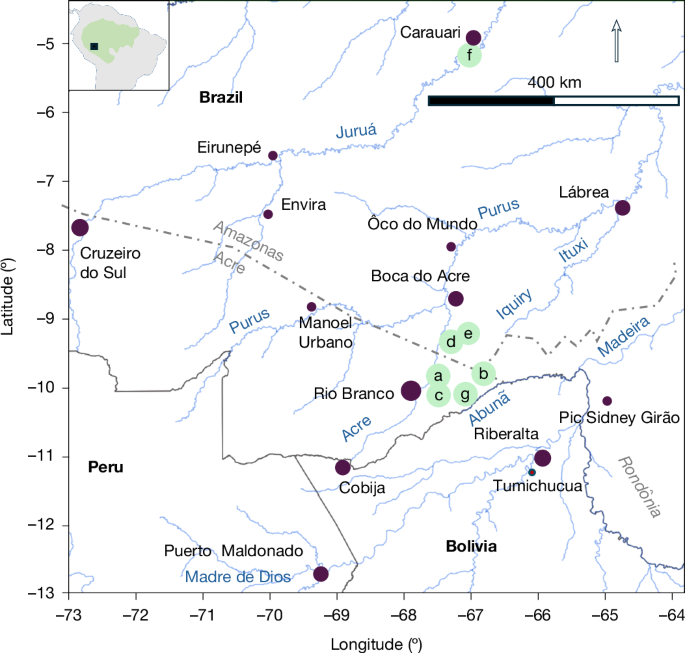
A study using canopy-penetrating LiDAR has expanded the known distribution of precolonial earthworks in southwestern Amazonia. The researchers tentatively estimate that the region’s population reached between 1.25 million and 3 million people around AD 100–300, although the estimate depends on evidence from a limited survey area.

Read story
Roman Shipwreck Carrying Hundreds of Amphorae Found off Sicily
02
Underwater Archaeology
Score 20

Roman Shipwreck Carrying Hundreds of Amphorae Found off Sicily

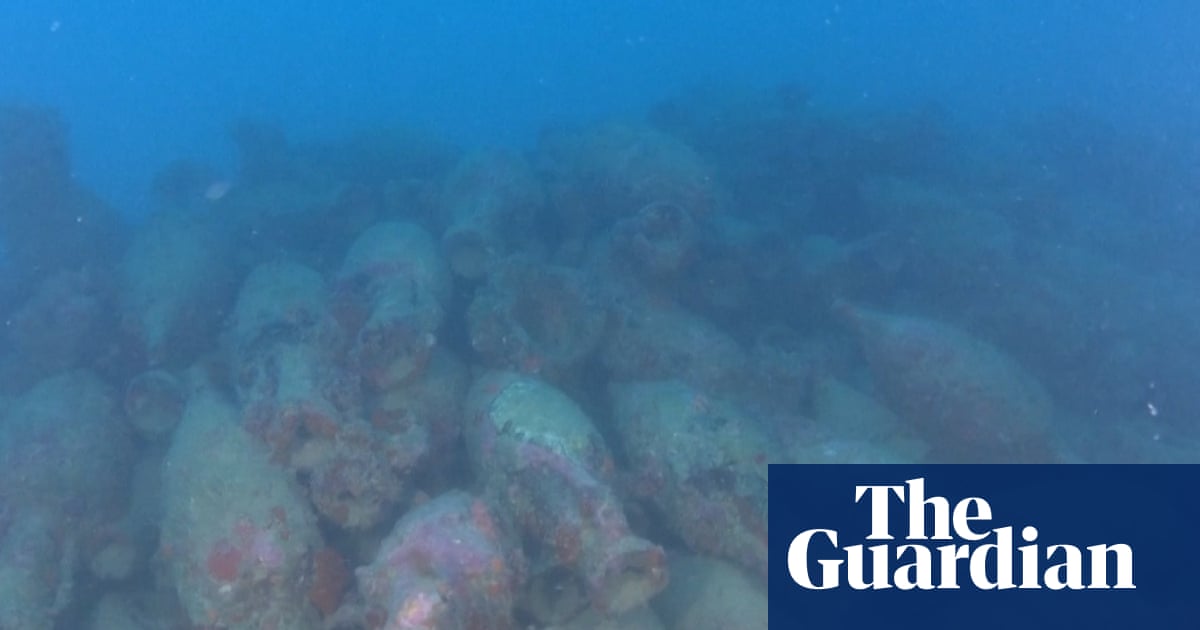
Italy’s Carabinieri cultural heritage protection unit has located a Roman shipwreck about three miles off Mazara del Vallo, Sicily. The approximately 2,100-year-old vessel contains around 500 amphorae, along with parts of anchors, and will undergo further scientific documentation.

Read story
Ancient DNA Identifies the Upton Lovell Shaman as a Woman
03
Bioarchaeology
Score 20

Ancient DNA Identifies the Upton Lovell Shaman as a Woman

Ancient DNA analysis by the Francis Crick Institute has shown that the 4,000-year-old individual known as the Upton Lovell Shaman was female, challenging a long-standing assumption based largely on the person’s presumed status. The finding illustrates how genetic research is reshaping interpretations of the ancient past.

Read story
Skeleton Found Inside Giant Roman Jar at Bulgarian Fortress
04
Bioarchaeology
Score 20

Skeleton Found Inside Giant Roman Jar at Bulgarian Fortress

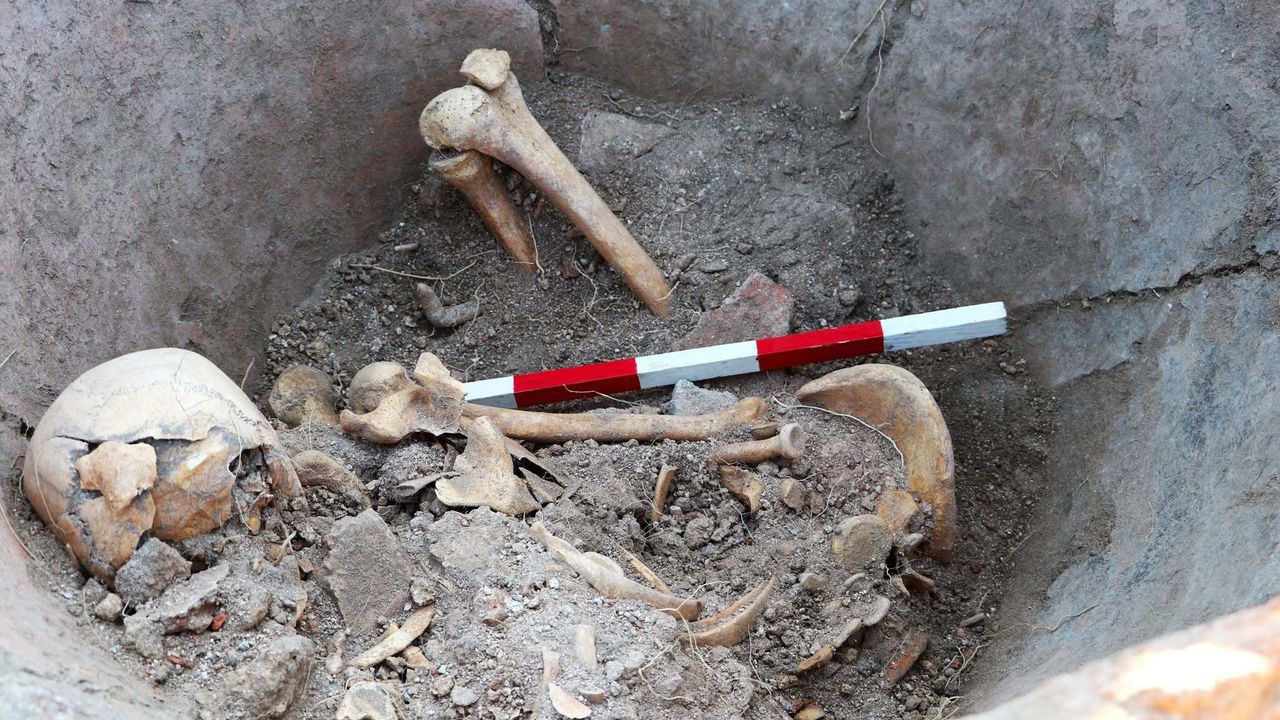
Archaeologists excavating the Roman colony of Deultum in Bulgaria found a human skeleton inside a large storage jar, or dolium. The remains may belong to a young man who sought shelter during an attack and fire around A.D. 400, but researchers have not yet established how he died.

Read story
Old Kingdom Official’s Tomb and Burial Shafts Found at Saqqara
05
Bioarchaeology
Score 20

Old Kingdom Official’s Tomb and Burial Shafts Found at Saqqara

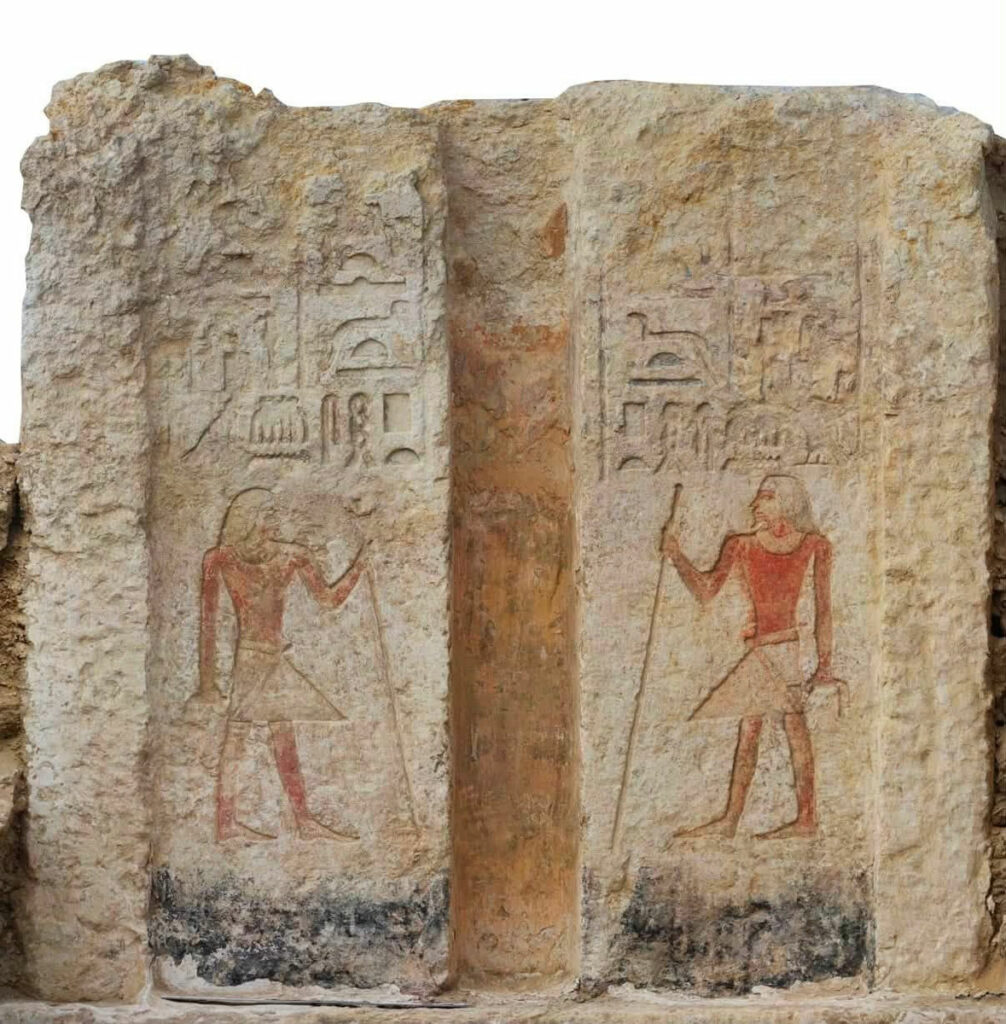
An intact tomb belonging to the high-ranking official Sekhentio-Ptah has been uncovered in Saqqara’s Bubasteion Necropolis, along with interconnected burial shafts. The discovery includes inscribed funerary elements, alabaster ritual objects, human remains and more than 100 faience ushabti figurines.

Read story
Proposed Section 106 Changes Could Narrow Protection for Cultural Sites
06
Heritage
Score 20

Proposed Section 106 Changes Could Narrow Protection for Cultural Sites

A proposed revision to the rules governing Section 106 of the National Historic Preservation Act is under review after the Advisory Council on Historic Preservation voted to advance it. In a Live Science opinion article, archaeologist Joe Watkins argues the changes could exclude many Indigenous sacred places, archaeological resources and cultural landscapes from federal review.

Read story