
Ancient Egyptian artists used more varied paint binders and adhesives than previously recognized, according to a study of painted coffins, tomb decoration, limestone and mummy-related plasterwork dating from about 1425 BCE to 400 CE.
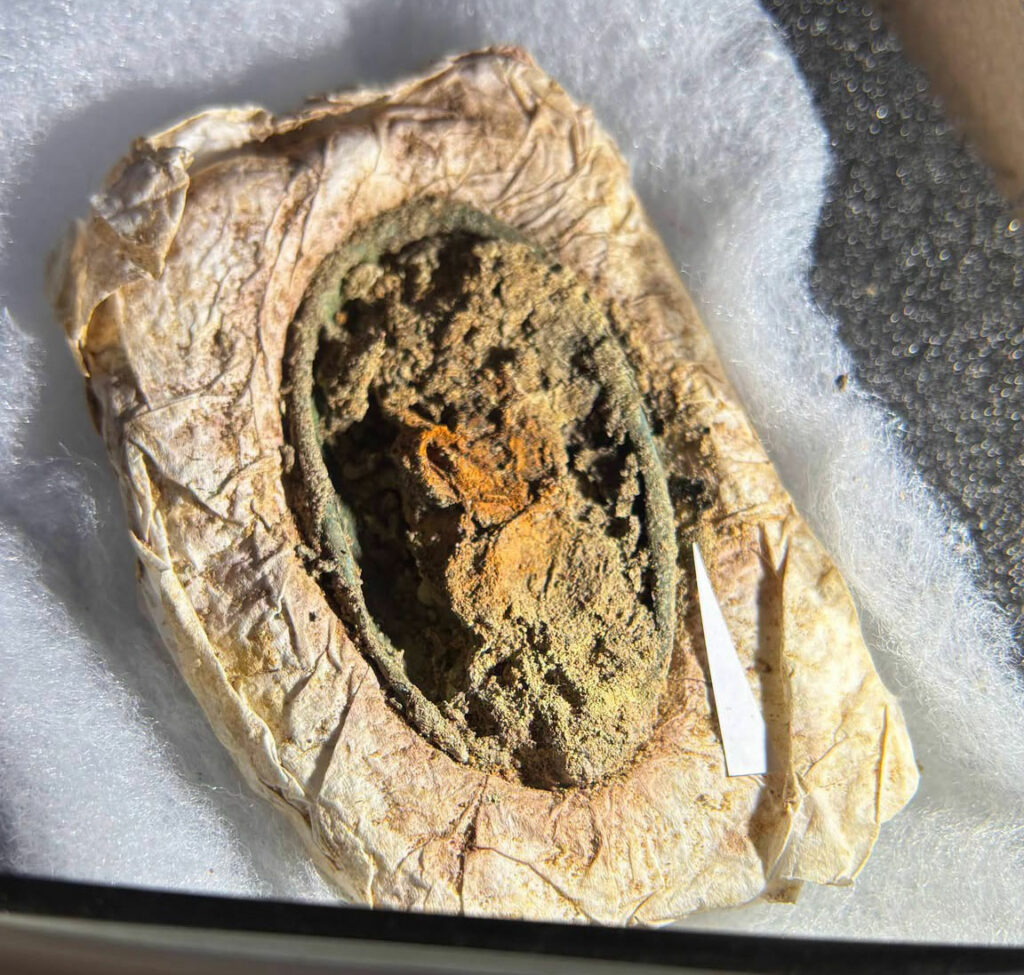
An international team of archaeologists, conservators and historians analyzed 28 tiny samples taken from 14 artworks held in three European museums. The researchers used proteomics, a method that applies mass spectrometry to ancient protein signatures, to investigate the biological origins of materials mixed into the paints.
Cattle glue appeared in most samples that contained animal glue. The analysis also detected evidence of glues associated with sheep or goats, donkeys, horses and possibly wild antelopes. The findings indicate that these materials were likely made from hides and connective tissues, rather than exclusively from bones.
The team also identified plant proteins, including signals linked to sesame and moringa. The researchers said these plant materials had not previously been documented in ancient Egyptian artworks. Because both plants can be processed to produce oil, the team conducted additional chemical analyses to determine whether the painters had used plant oils or another product.
Those tests found a protein-rich material together with traces of oil. This combination suggests the ingredients may have been seed cake—the material left after seeds are pressed for oil—rather than pure plant oils. The interpretation depended on combining proteomic results with Fourier-transform infrared spectroscopy and pyrolysis-gas chromatography-mass spectrometry, as well as information about artists’ materials, their manufacture and archaeological evidence.
The results point to paint recipes that incorporated several kinds of animal-derived glue and plant-processing products. They also provide a more detailed picture of the materials used to produce and preserve the colors on Egyptian artworks, although the study’s conclusions about the plant ingredients remain an interpretation of the analytical evidence.
Beyond reconstructing ancient manufacturing practices, the findings could help conservators develop treatments for painted objects. Knowing more about the proteins, oils and other substances present in the original materials may assist conservation work on artworks whose surfaces have survived for centuries.