Archaeology.Today
Field Report

Intact Indigenous Pot Found at Historic Florida Mission Site

University of Florida students uncovered a small, undecorated clay vessel at Mission San Francisco de Potano, a former 17th-century mission and Potano-Timucua village near Gainesville. The pot is roughly 400 years old and appears to have been deliberately placed in a pit, though its purpose remains unknown.

September 5, 2026
1 Source
Mission San Francisco de Potano
Intact Indigenous Pot Found at Historic Florida Mission Site
The Story

An intact Indigenous clay pot discovered at Mission San Francisco de Potano in northwest Florida is giving archaeologists new evidence of life at a site shaped by Native traditions, Spanish mission activity, trade and migration.

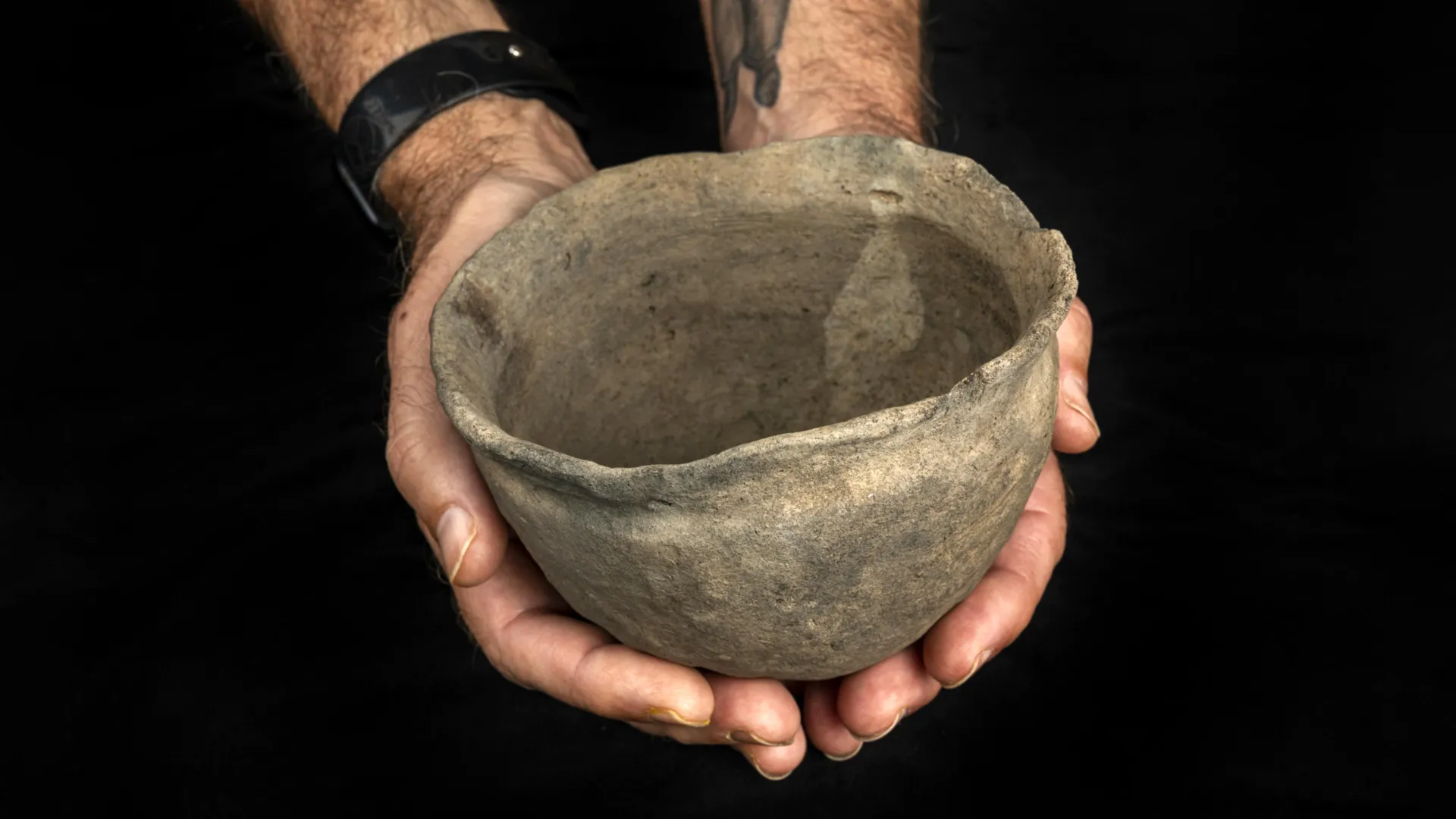
University of Florida students found the palm-sized vessel during a field course led by Gifford Waters and Charles Cobb of the Florida Museum of Natural History. The small pot has a simple rim, a smooth dull-gray surface and no decoration. It is believed to have been made roughly 400 years ago, during the period when the mission was occupied.

The vessel’s survival is unusual. Archaeologists commonly recover pottery in fragments, and even complete objects can crack after burial because of soil pressure and later disturbance. The pot was found inside a Spanish-made structure whose purpose has not yet been established. Its position and depth suggest that it dates to the mission’s period, but researchers do not know why it was placed in a pit or whether it had been used before being abandoned.

The pot does not contain the burned food or charcoal residues often associated with cooking vessels. That makes direct use over a fire less likely, although faint scorch marks could have developed during firing or later exposure to heat. Researchers said the vessel may still have been connected with food preparation or serving, but its original function remains uncertain.

Mission San Francisco de Potano was established in 1606 after Spanish forces had relocated the Potano to the area in 1585. The mission was abandoned in 1706. Excavations at the wooded site include areas associated with a 17th-century kitchen, a friar’s residence and the surrounding Potano village.

More than 7,000 artifacts have been recovered there since 2006, including Native American pottery fragments, glass beads, stone tools, nails and animal bones from meals involving turtle, freshwater fish and turkey. Archaeologists say the locations and associations of these finds are important for identifying activity areas such as cooking and refuse disposal.

Students also uncovered fragments from a larger vessel with a rough surface and material unlike established local pottery traditions. It may have arrived through trade with communities near St. Augustine or present-day Jacksonville, or with someone who brought different pottery-making traditions to the settlement. Together, the finds point to movement and cultural change at the mission, while the intact pot’s particular origin and use remain unresolved.

Reference Desk

Sources & Further Reading

Continue Exploring

Related Archaeology

More stories
Theban Tomb Reveals Centuries of Changing Burial Practices
01
Ancient Civilizations
Score 20

Theban Tomb Reveals Centuries of Changing Burial Practices

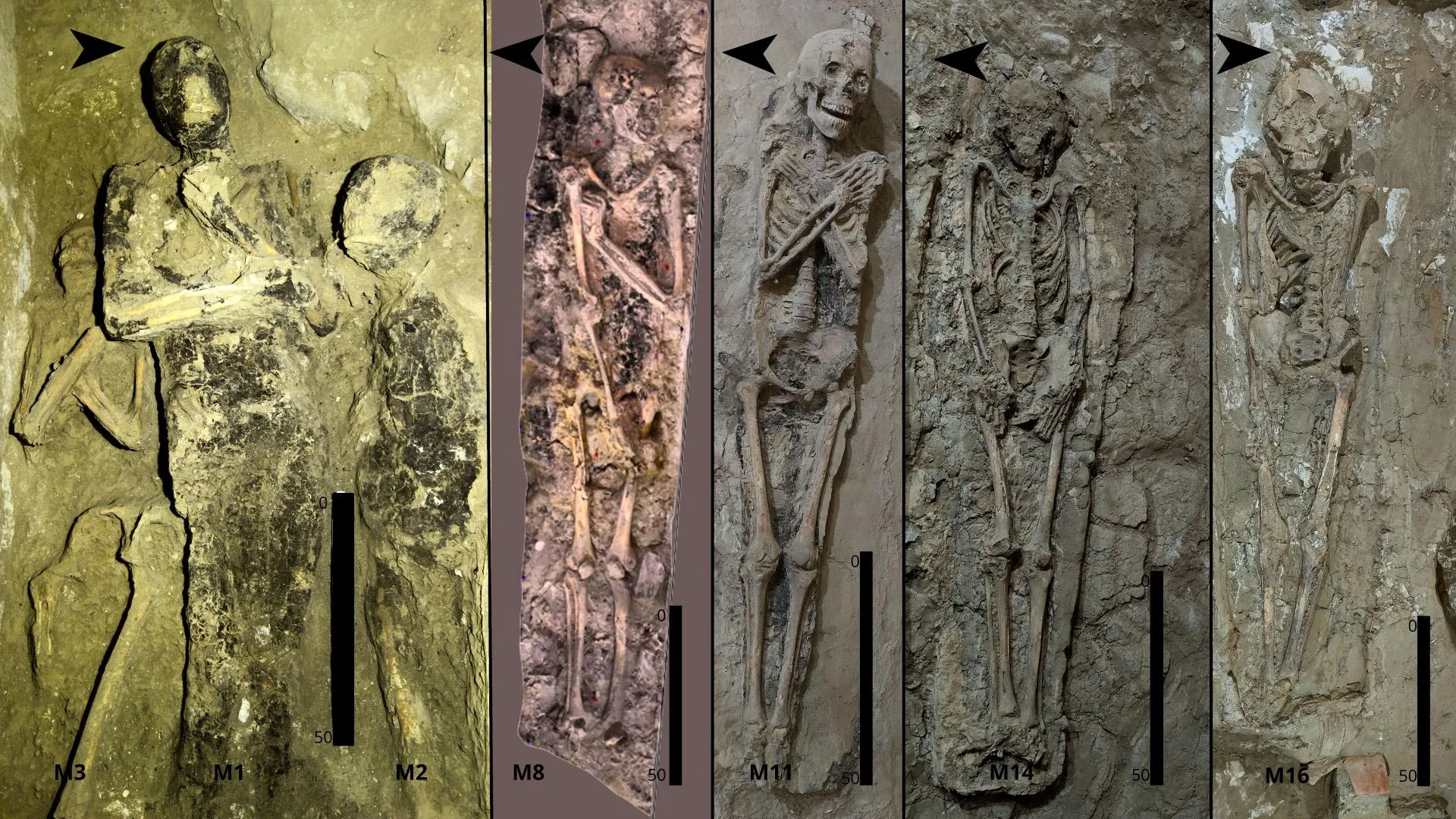
A study of chamber three in Egyptian tomb TT 209 documented 16 mummified people, remains of at least four others and a mummified dog. The arrangement suggests that later burials were carefully adapted around earlier occupants rather than placed in a completely disordered space.

Read story
Pollen Reveals Repeated Repairs on 2,200-Year-Old Adriatic Shipwreck
02
Underwater Archaeology
Score 20

Pollen Reveals Repeated Repairs on 2,200-Year-Old Adriatic Shipwreck

A study of the Ilovik-Paržine 1 wreck off Croatia identified pine tar and a tar-beeswax coating used to protect its hull. Pollen preserved in the materials suggests the vessel was coated or repaired four to five times with substances sourced from different parts of the Adriatic and Mediterranean.

Read story
Kenyan Footprints Suggest Large Groups of Paranthropus Traveled Together
03
Discoveries
Score 20

Kenyan Footprints Suggest Large Groups of Paranthropus Traveled Together

A 1.4-million-year-old footprint trail near Kenya’s Lake Turkana appears to preserve the movements of eight Paranthropus boisei individuals. Track size suggests that some reached up to 1.8 meters in height and about 75 kilograms, while the arrangement may offer rare evidence of group behavior.

Read story
Archaeological Fragments Identify a December 1957 Detroit Newspaper
04
Discoveries
Score 20

Archaeological Fragments Identify a December 1957 Detroit Newspaper

Newspaper fragments recovered from a mid-20th-century midden at Michigan State University have been identified as pages from the December 12, 1957, Detroit Free Press. Differences between the excavated material and a digitized copy suggest the fragments may come from another edition of that day’s paper.

Read story
Small Glass Pieces Recalled as Possible Privacy Windows at Island School
05
Discoveries
Score 20

Small Glass Pieces Recalled as Possible Privacy Windows at Island School

Tiny pieces of glass shown at the Island school site prompted a former student to recall small, high bathroom windows that admitted light while preserving privacy. The recollection offers a possible interpretation of how the glass may have been used.

Read story
Restoration Underway at Ninth-Century Trapeang Phong Temple
06
Discoveries
Score 20

Restoration Underway at Ninth-Century Trapeang Phong Temple

Cambodia’s APSARA National Authority has begun restoring Trapeang Phong temple in Angkor Archaeological Park, where weather and age have caused structural deterioration. The work will proceed in two phases, beginning with repairs to the western section and moving from the foundation upward.

Read story