
A proposed rewrite of the regulations implementing Section 106 of the National Historic Preservation Act has drawn opposition from preservation organizations, archaeologists, architects and groups representing Native American tribes, according to Archaeology Southwest.
Section 106 provides a process for considering the effects of federally connected projects on cultural resources. A draft of revised rules circulated in recent weeks, although officials have said it remains open to feedback and revision. Lawyers for preservation groups are reportedly preparing for possible legal action if the final version substantially changes the current system.
The Society for American Archaeology said the proposal represents a fundamental departure from the existing regulations. In its assessment, the draft would give federal agencies greater procedural authority to proceed without most forms of meaningful consultation or concurrence. It would also narrow the types of projects subject to Section 106 review, reduce the areas in which potential effects are considered and restrict which historic properties and effects can be evaluated.
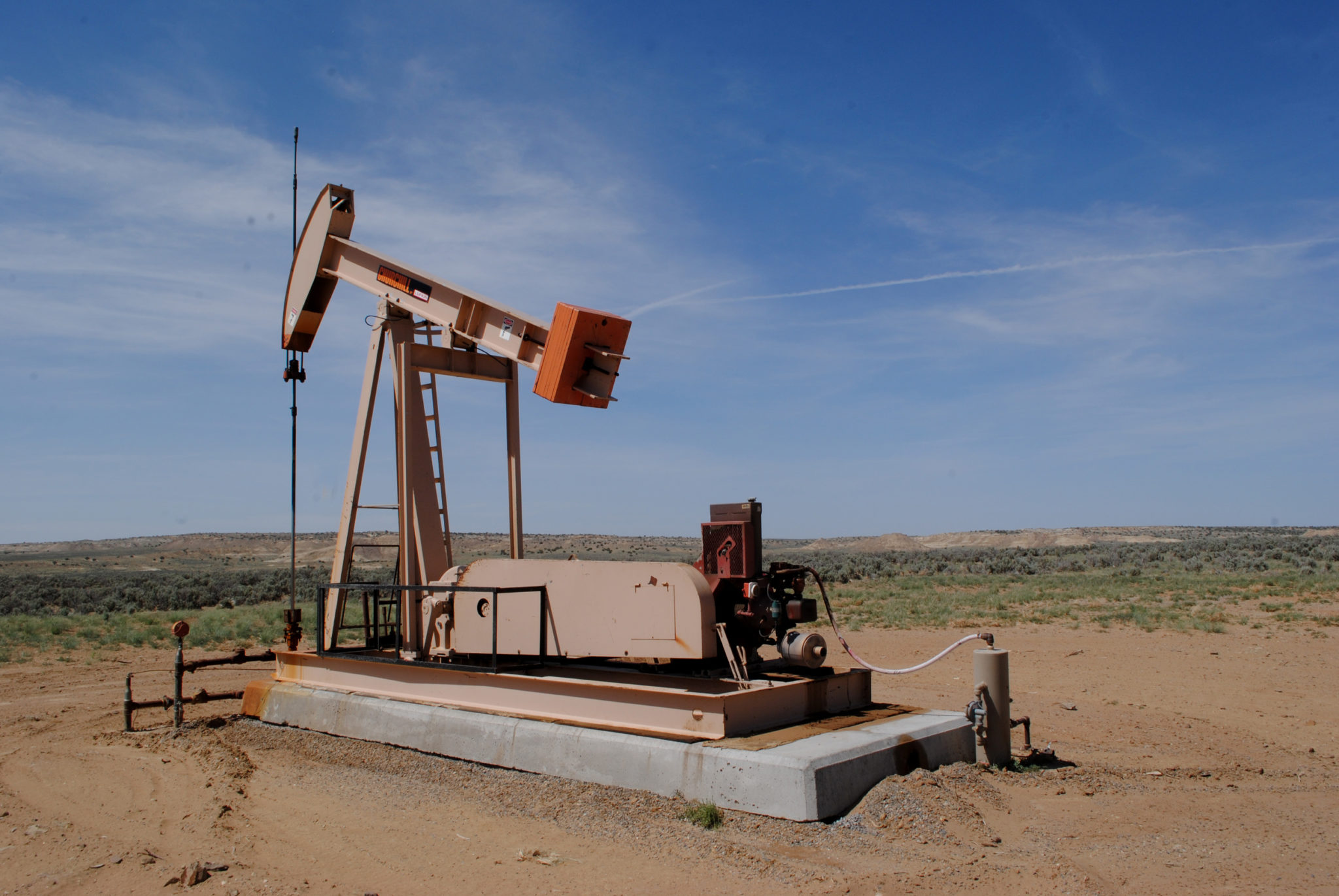
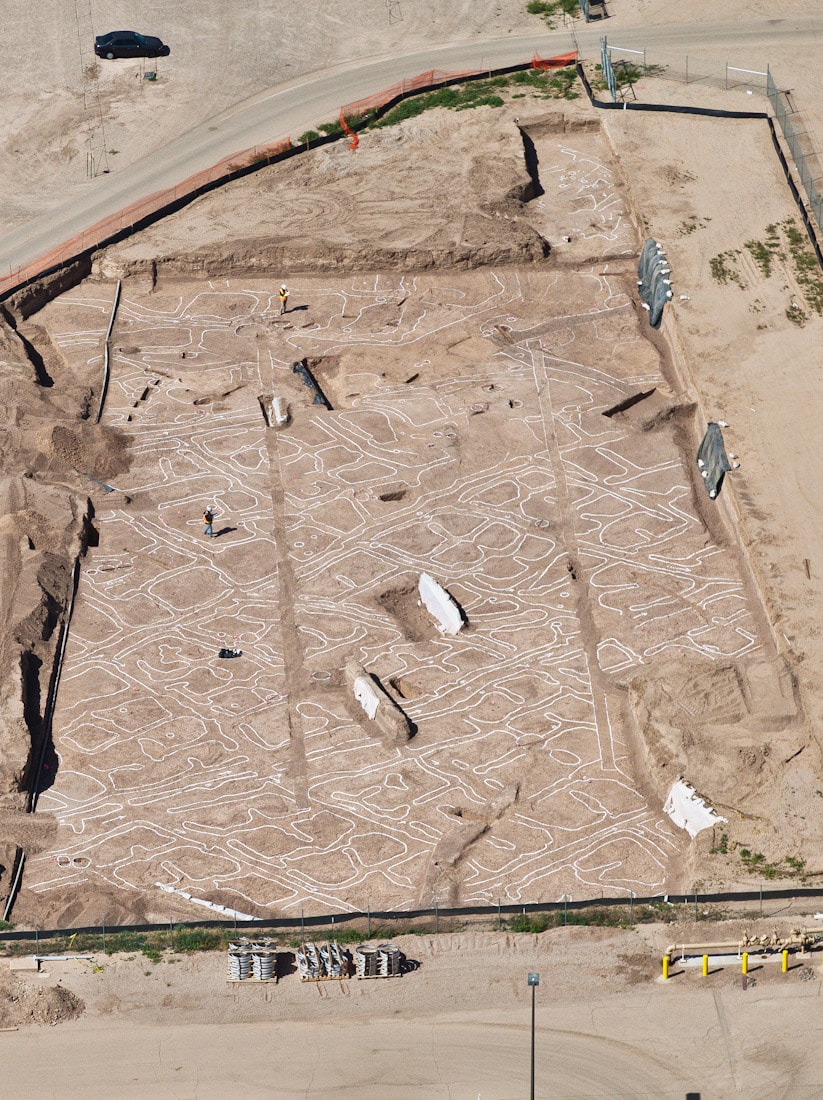
Archaeology Southwest’s account describes the potential consequences through development scenarios in the Greater Chaco landscape of New Mexico’s San Juan Basin. Under the proposed approach, the Bureau of Land Management’s Farmington Field Office could potentially approve a petroleum project involving a road, ground disturbance and an oil or gas well through a memorandum of decision, without consulting tribes, the relevant state or the public as part of a Section 106 review. The organization said such changes could leave cultural sites—many of which have not yet been surveyed—more vulnerable to development.
The proposal has also become part of wider disputes over federal protection for archaeological and cultural landscapes in the Southwest. Archaeology Southwest reported that dozens of Tribal Nations are opposing the proposed Section 106 changes, along with threats to Grand Staircase-Escalante and Bears Ears national monuments and a proposal affecting a 10-mile protection zone around Chaco Culture National Historical Park.
The National Trust for Historic Preservation’s president, Brent Leggs, criticized the draft as a severe threat to the preservation of civic and cultural heritage. Other organizations, including the Archaeological Institute of America and the Society of Architectural Historians, have submitted comments opposing the proposed removal or reduction of the Chaco protection zone.
The Section 106 changes are not yet final. Their eventual effect on consultation and cultural-resource review will depend on the rule issued after the feedback process.