
A draft revision to the federal regulations governing Section 106 review could significantly narrow how federal agencies assess effects on historic and cultural resources, according to Archaeology Southwest. The organization says the proposal would shorten review periods for development projects and eliminate consideration of indirect and cumulative effects.
The revisions concern 36 C.F.R. Part 800, the regulations used to implement Section 106 of the National Historic Preservation Act. Archaeology Southwest reports that the Advisory Council on Historic Preservation’s vice chairman circulated a draft to council members on July 17, 2026, requesting an email vote by July 24.
According to the organization, the draft would also alter the definition of consultation, remove requirements concerning avoidance, minimization and mitigation, eliminate specific protections for Traditional Cultural Landscapes, and reduce consideration for traditional cultural places. Archaeology Southwest further says the changes could exclude sites that do not meet a revised definition of “historic” and weaken the Advisory Council’s oversight role.
The organization characterizes the proposal as a major reduction in public participation and consultation with Tribal Nations. Those are descriptions and concerns presented by Archaeology Southwest; the supplied material does not include the full draft regulations or a response from federal officials supporting the changes.
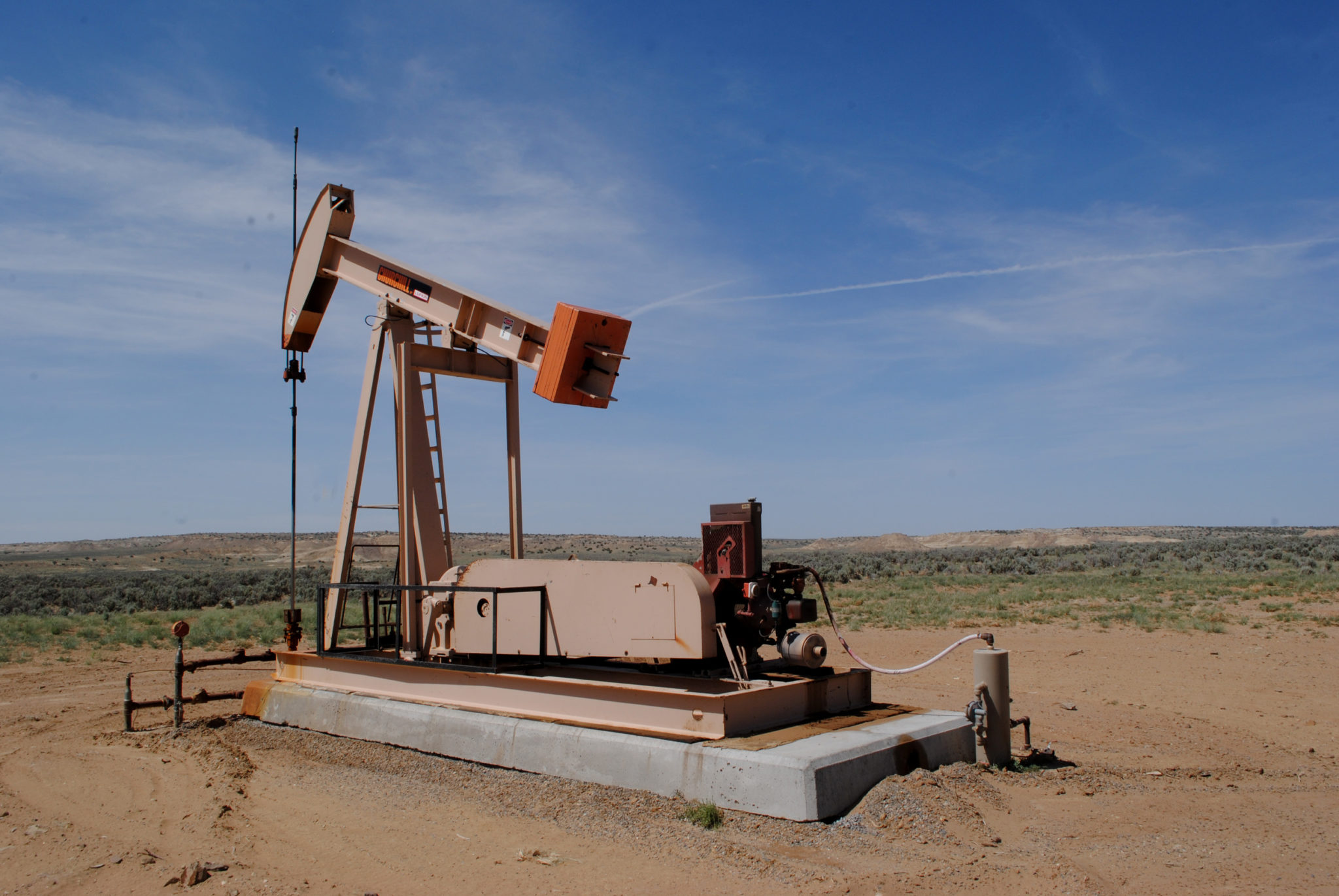
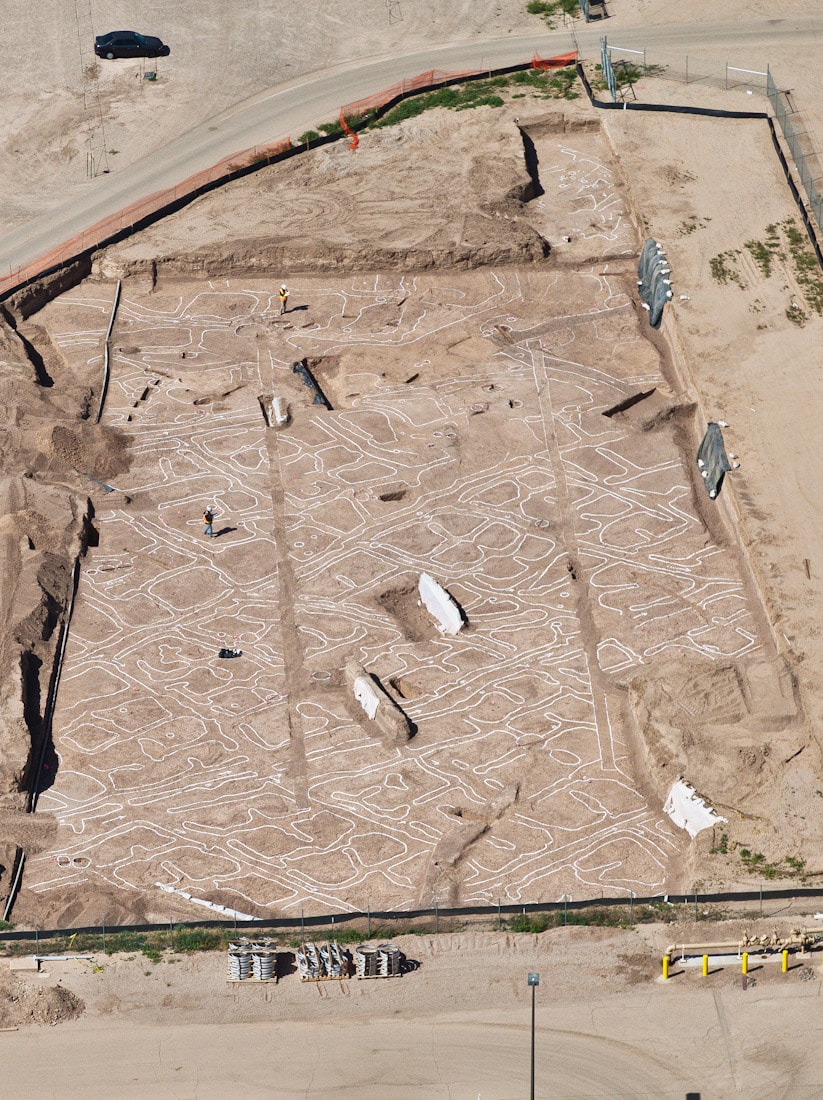
Archaeology Southwest links the Section 106 proposal to a separate Bureau of Land Management plan affecting a 10-mile protection zone around Chaco Culture National Historical Park. The BLM’s public-comment period on that plan was scheduled to close July 29, 2026. The organization’s 2020 reconnaissance work identified more than 4,200 archaeological and cultural sites within the zone, although only 15 percent of the area had been surveyed. It therefore says the actual number of sites may be considerably higher.
The reported sites were created by diverse cultural groups, including Paleoindian, Archaic, Pueblo, Navajo and Jicarilla Apache communities, across a timespan extending from about 10,000 BCE to the present. Archaeology Southwest says these places remain important to contemporary Native Americans and argues that the protection zone helps the federal government meet its trust responsibilities to Pueblos and Tribes.
The organization is urging members of the public to submit comments to the BLM and points to statements and resources from Pueblo leaders and preservation advocates. The source also reports that tribal leaders and New Mexico’s federal delegation recently protested the BLM proposal, warning that reduced protections could allow drilling and other mineral development closer to Chaco’s boundaries.