Archaeology Southwest’s latest preservation roundup highlights proposed changes to the federal Section 106 review process alongside continuing threats to archaeological landscapes in the American Southwest.
The organization reports that a revised version of Section 106 proposed by the Trump administration would replace language describing public views as essential to federal decision-making with a provision giving agencies “exclusive discretion” over the usefulness of public participation. Critics cited by Archaeology Southwest warn that the change could substantially weaken public involvement in historic-preservation decisions. A Society of Architectural Historians webinar scheduled for August 28 is set to explain the law’s use, the proposed revisions, and ways the public can participate.
The roundup also focuses on the Lower Pecos Canyonlands, where people have lived and traveled for more than 12,000 years. The region contains painted murals dating from approximately 6,000 years ago through historic times, as well as other cultural materials. Shumla Archaeological Research & Education Center says construction associated with the Big Bend Project 5 border barrier could permanently alter the archaeological landscape. The organization is advocating for an alternative approach intended to meet border-security goals while reducing impacts to cultural heritage.
At Big Bend National Park, border-barrier construction was paused after videos showing bulldozers operating in the protected landscape prompted public backlash, according to coverage included in the roundup. The pause was announced by Customs and Border Protection Commissioner Rodney Scott.
Archaeology Southwest also summarizes developments involving Bears Ears and Grand Staircase-Escalante national monuments in Utah. After the monuments were reduced in size, at least nine mining claims were staked on land that had fallen outside the revised boundaries, according to public records cited by the New York Times. Environmental groups have described the reductions as illegal, while supporters argue that the monuments needed to be resized to allow multiple uses of federal land.
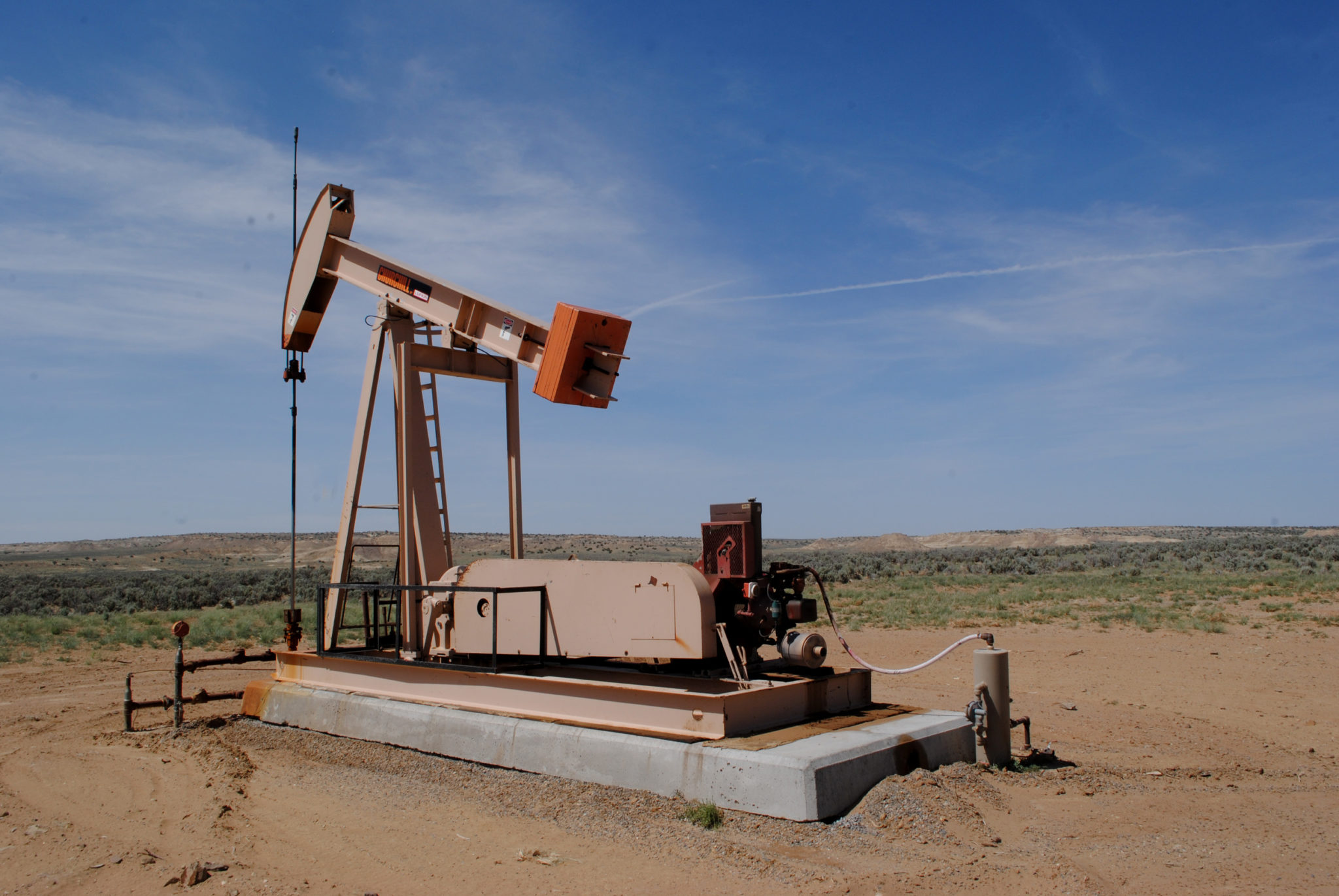
The roundup further reports concerns about possible oil and gas development near Chaco Culture National Historical Park in New Mexico. UNESCO said it had received information about plans to remove a drilling-free buffer zone around the World Heritage site and was awaiting a response from the federal government regarding potential impacts.
Alongside these preservation issues, the roundup points readers to coverage of Southwest musical instruments, an exhibition of Acoma figurative pottery, archaeological lectures, and upcoming events focused on LiDAR, water use, public lands, and the initial peopling of the Americas.