
Archaeology.Today
Field Report

Sudan Memory Report Sets Out Priorities for Heritage in Conflict Zones

A new report examining Sudan Memory, described as Sudan’s first mass digitization project, draws on 14 interviews to propose ways of protecting vulnerable cultural collections during conflict and other crises. The project has digitized about 148,000 items since 2013.

September 7, 2026
1 Source
Sudan Memory Report Sets Out Priorities for Heritage in Conflict Zones
The Story

A report on the Sudan Memory digitization project recommends practical measures for preserving cultural heritage when conflict, instability and climate change threaten physical collections. Its findings are based on 14 interviews with people who contributed to the project.

Titled “Digital heritage preservation for vulnerable collections: Reflections on the Sudan Memory project history and inventory,” the report was written by Laura Gibson of King’s College London, independent researcher and editor Sara El-Nager, and Hannah Ishmael, also of King’s. The report examines Sudan Memory, described as the first mass digitization project undertaken in Sudan.

Since 2013, the project has digitized approximately 148,000 items of Sudanese cultural heritage. These include photographs, manuscripts, museum objects, audio and film, as well as a three-dimensional interactive model of historic Suakin Island. The initiative was led by Marilyn Deegan of King’s College London’s Department of Digital Humanities, working with Sudanese and international partner institutions.

The project’s role has become more urgent since war began in Sudan in April 2023. The source report says looting and destruction have affected institutions including the National Museum and Khalifa House Museum. Sudanese contributors emphasized that documentation can preserve information about people, places and everyday life as well as individual objects. Ikram Madani Ahmed, director of the Natural History Museum at the University of Khartoum, said digital records could provide material from which physical collections might eventually be rebuilt if they are lost.

The report identifies five priorities for digitization projects in crisis settings. Institutions should emphasize training and mentoring so local expertise can continue beyond individual funding periods; establish trust with collection holders, especially over ownership and access; and design projects to be flexible, mobile and decentralized in anticipation of instability.

The authors also recommend recording oral histories and contextual information alongside physical objects. Finally, they argue that projects should use a context-appropriate “good enough” standard rather than allowing ideal technical benchmarks to delay documentation.

The authors hope lessons from Sudan Memory will assist institutions and agencies working with threatened collections elsewhere. They also say the recommendations could contribute to future transitional-justice and post-conflict reconstruction efforts.
Reference Desk

Sources & Further Reading

Continue Exploring

Related Archaeology

More stories
Inner-Ear Bone Study Traces Population Change in Prehistoric Northeast Africa
01
Human Origins
Score 45

Inner-Ear Bone Study Traces Population Change in Prehistoric Northeast Africa

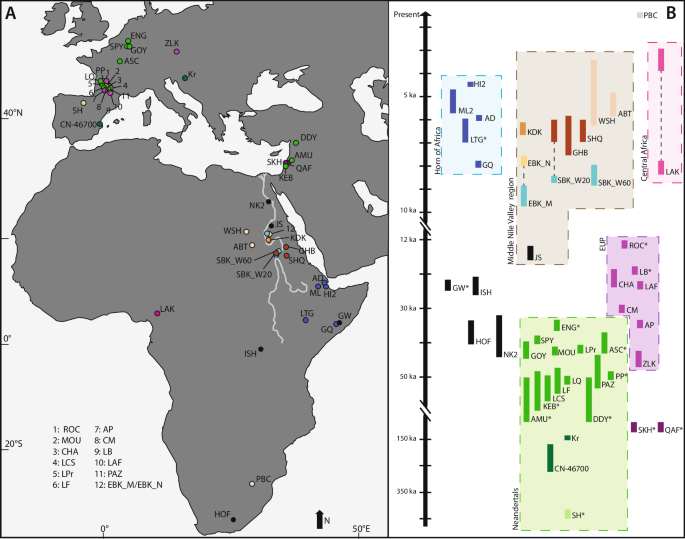
An analysis of bony labyrinths from 148 prehistoric and recent individuals identifies continuity among Middle Nile Valley foragers but a marked morphological break after the emergence of Neolithic food-producing communities. The results also point to substantial population diversity and possible isolation across northeastern Africa.

Read story
Ancient Sardis Added to UNESCO World Heritage List After Decades of Excavation
02
Heritage
Score 20

Ancient Sardis Added to UNESCO World Heritage List After Decades of Excavation

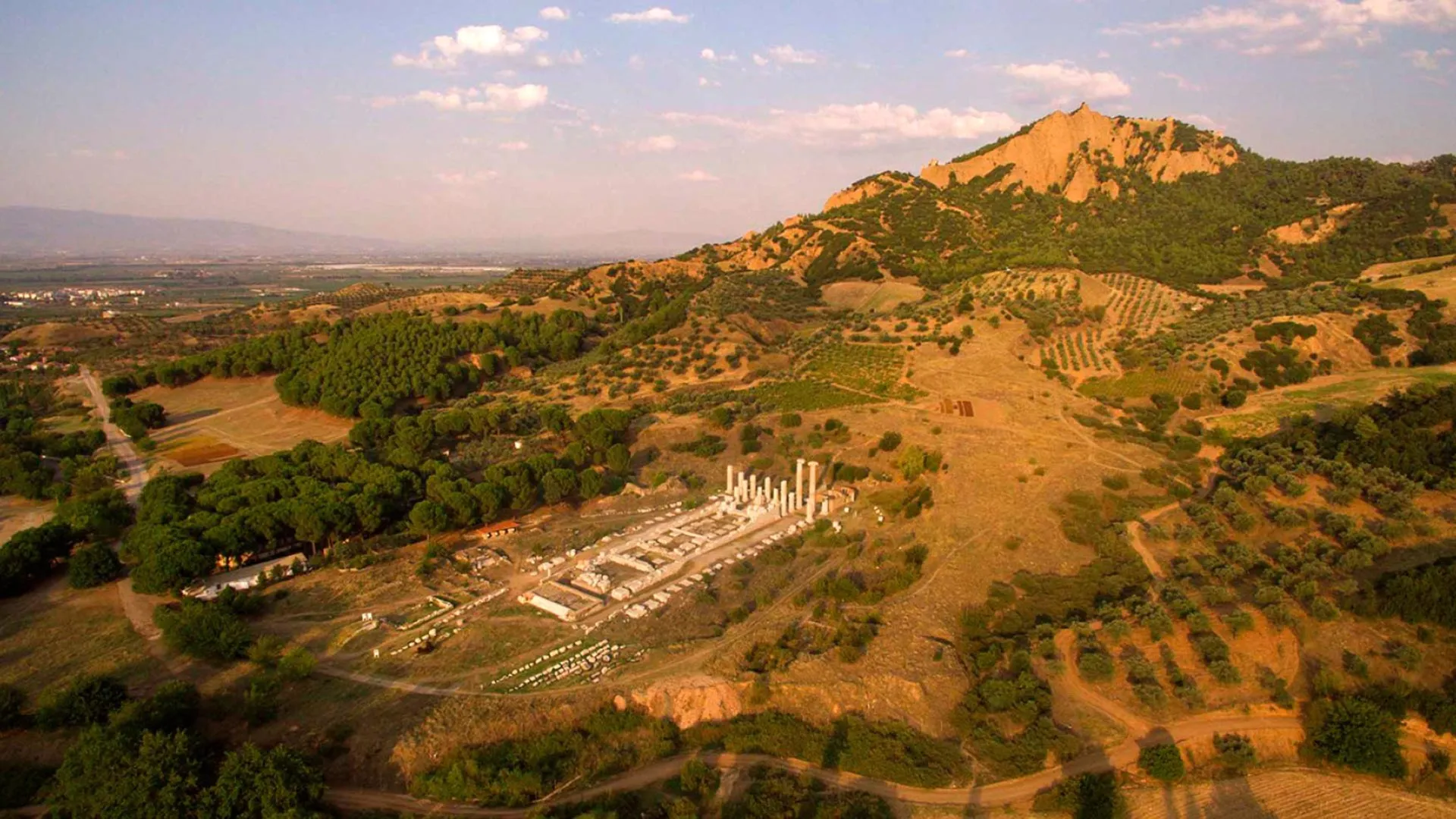
Sardis, an ancient city in western Turkey excavated continuously since 1958, has been added to the UNESCO World Heritage List. Researchers say the designation recognizes decades of archaeological work while highlighting the need to protect the site from erosion, farming damage and looting.

Read story
Excavation Examines Medieval Choir at Bergen’s Nonneseter Monastery
03
Heritage
Score 20

Excavation Examines Medieval Choir at Bergen’s Nonneseter Monastery

Archaeologists from Norway’s cultural heritage institute are investigating the former choir of Bergen’s Nonneseter Monastery, where additional medieval graves and artefacts may survive. The work is linked to redevelopment around the Nonneseter light rail stop and could add to evidence about life within the Benedictine community.

Read story
Historic Pinisi Boat Faces Possible Destruction Amid Funding Crisis
04
Heritage
Score 20

Historic Pinisi Boat Faces Possible Destruction Amid Funding Crisis

The traditional pinisi boat Anugerah Ilahi, described as a symbol of Sulawesi’s maritime heritage, is at risk because preservation efforts lack funding and support. Plans to burn the vessel have emerged as a protest over what advocates view as neglect of Indonesia’s maritime culture.

Read story
Fourth Talayot Identified Beneath Vegetation at Mallorca’s Son Fornés
05
Heritage
Score 20

Fourth Talayot Identified Beneath Vegetation at Mallorca’s Son Fornés

A previously unknown prehistoric monument has been found at the Son Fornés archaeological site in Montuïri, Mallorca, bringing the number of known talayots there to four. A forthcoming three-week excavation will investigate its date, shape, preservation and possible function.

Read story
Construction Ban Near Banteay Chhmar Supports UNESCO Bid
06
Heritage
Score 20

Construction Ban Near Banteay Chhmar Supports UNESCO Bid

Authorities in Cambodia’s Banteay Meanchey province are enforcing a ban on new construction near Banteay Chhmar Temple, a 12th-century Mahayana Buddhist site being considered for UNESCO World Heritage status. Officials say uncontrolled or improperly carried out building could undermine the temple’s eligibility.

Read story