Archaeology.Today
Field Report

Georgian-Era Objects Found Beneath Bath Assembly Rooms

Archaeological work during restoration of Bath Assembly Rooms has uncovered beauty products, wig curlers, wine bottles and tobacco pipes. The finds offer evidence of the preparation, socializing and leisure associated with the venue, which opened in 1771 and was among Jane Austen’s favourite ballrooms.

September 3, 2026
1 Source
Bath Assembly Rooms
Georgian-Era Objects Found Beneath Bath Assembly Rooms
The Story

Archaeological investigations beneath Bath Assembly Rooms have recovered a collection of objects linked to the building’s fashionable Georgian and later visitors, including beauty products, wig curlers, wine bottles and tobacco pipes.

The work was carried out during restoration of the National Trust property and overseen by Wessex Archaeology. Bath Assembly Rooms first opened in 1771 and became one of the city’s celebrated social venues. The discoveries provide glimpses of activities surrounding visits to the ballroom, from preparing hair and appearance to dining, drinking and smoking.

Among the finds are hair curlers that may have helped visitors style their wigs before attending social events. The excavation team also found numerous tobacco pipes bearing makers’ marks. Marek Lewcun of Wessex Archaeology said smoking and snuff-taking were popular in 18th-century Bath, and suggested that areas such as the Coffee House and courtyard may have provided places for smokers away from the main building.

The objects also point to the less formal traces left by visitors. Wine bottles and other discarded items reflect the food, drink and entertainment associated with the Assembly Rooms, while the personal nature of the beauty-related finds connects the archaeological evidence with the preparation required for a fashionable evening.

Tatjana LeBoff, the National Trust’s project curator for Bath Assembly Rooms, said the discoveries show that the building was not simply an architectural setting but a place used by generations of people. She described the objects as material reminders of individuals who prepared for events, shared meals and drinks, or may have accidentally left possessions behind.

The finds are now being transferred to the National Trust for possible use in displays, events and community activities. They will contribute to the interpretation of the restored Assembly Rooms and a planned new Georgian ball experience. The building is scheduled to reopen to the public in 2027.
Reference Desk

Sources & Further Reading

Continue Exploring

Related Archaeology

More stories
Drone Survey Reveals Interior of Medieval Well at Sheffield Castle
01
Discoveries
Score 50

Drone Survey Reveals Interior of Medieval Well at Sheffield Castle

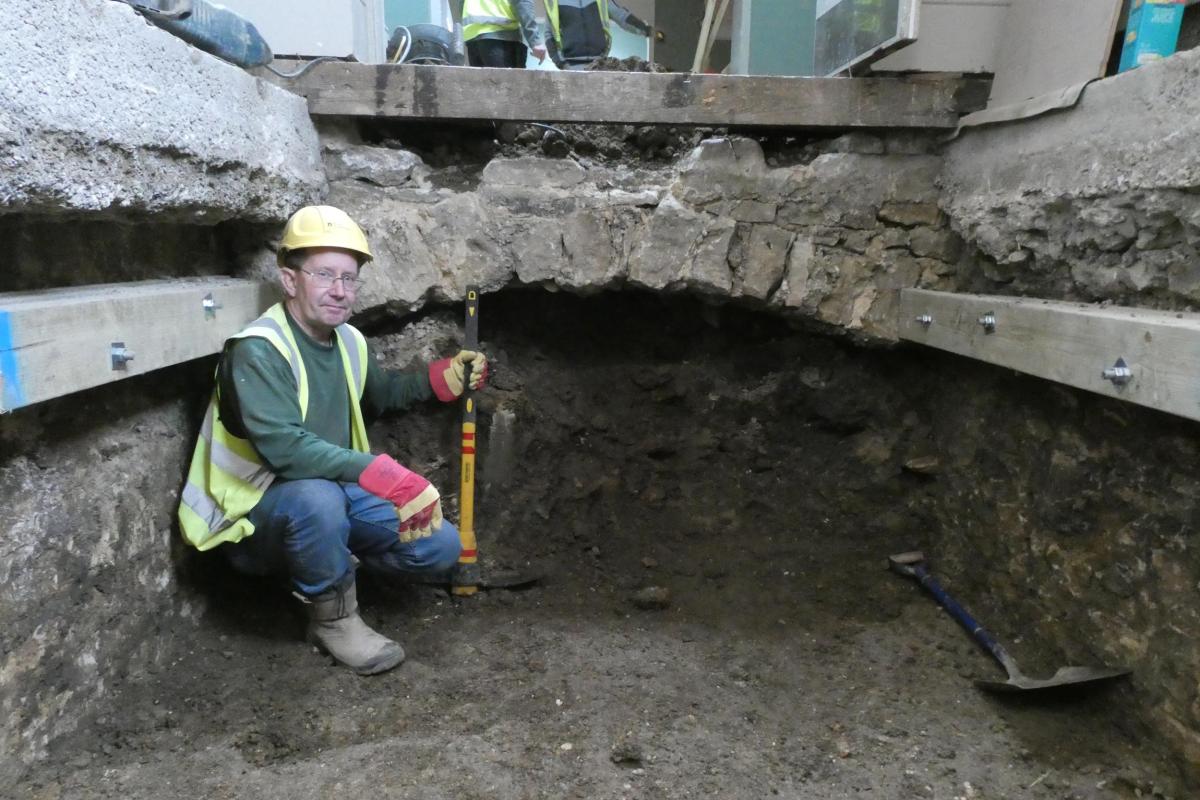
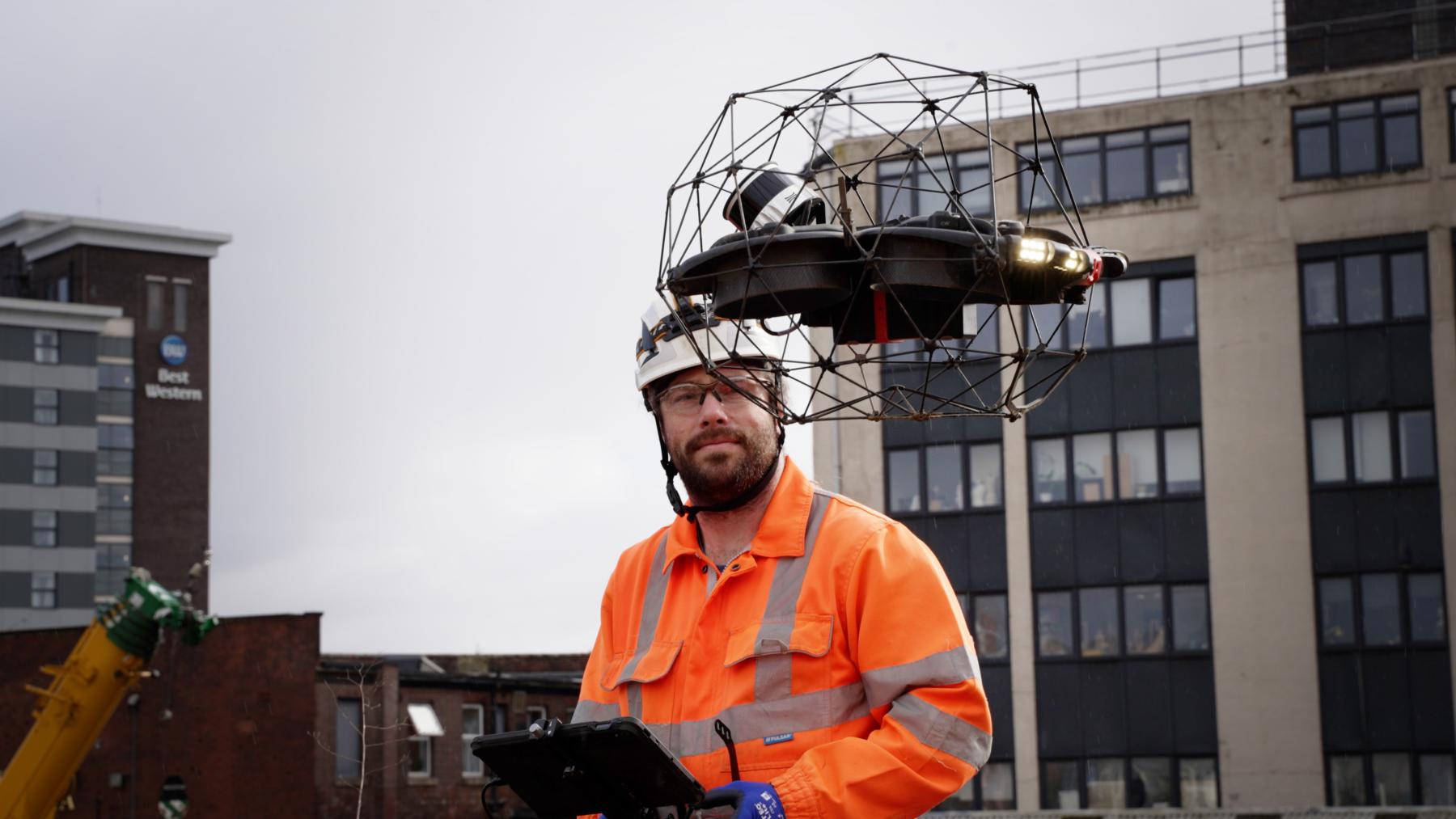
A caged drone has surveyed a 12.5-metre medieval well within Sheffield Castle’s Norman motte, producing hundreds of images for a 3D model. The work found construction details and confirmed that water remains at the bottom of the shaft.

Read story
5,000-Year-Old Solstice Alignment Found Near Stonehenge
02
Discoveries
Score 50

5,000-Year-Old Solstice Alignment Found Near Stonehenge

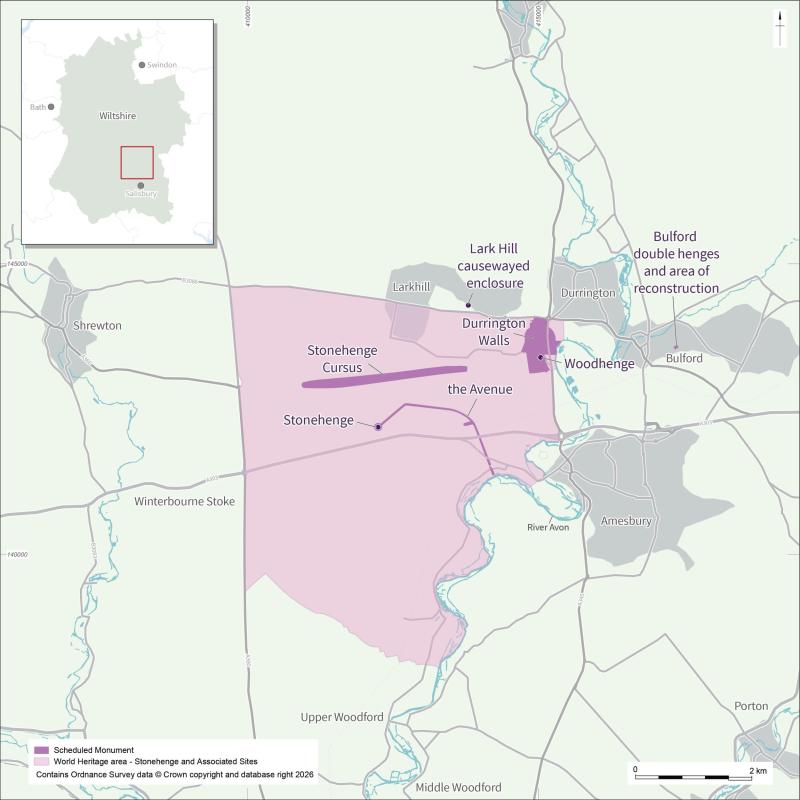
Excavations at Bulford, about 5 kilometers from Stonehenge, have identified 48 pits dating to around 2950 BC. Analysis suggests two wooden poles once stood 120 meters apart, forming an alignment with the summer and winter solstices roughly 500 years before Stonehenge’s stones were arranged.

Read story
Roman Shipwreck Carrying Hundreds of Amphorae Found off Sicily
03
Underwater Archaeology
Score 40

Roman Shipwreck Carrying Hundreds of Amphorae Found off Sicily

Italy’s Carabinieri cultural heritage protection unit has located a Roman shipwreck about three miles off Mazara del Vallo, Sicily. The approximately 2,100-year-old vessel contains around 500 amphorae, along with parts of anchors, and will undergo further scientific documentation.

Read story
Medieval Coin Hoard of 2,600 Silver Pieces Found in Kolomna
04
Artifacts
Score 40

Medieval Coin Hoard of 2,600 Silver Pieces Found in Kolomna

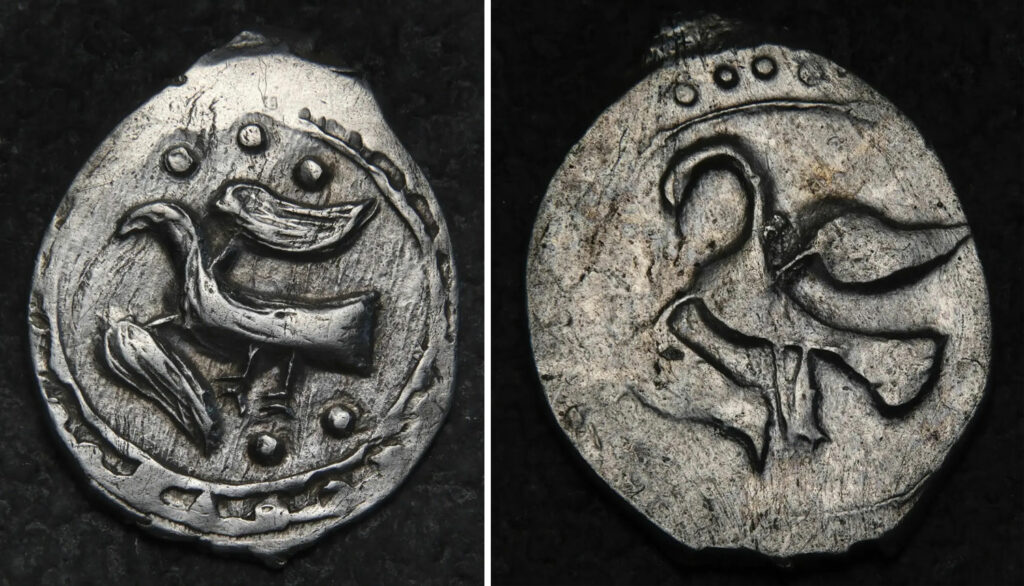
Archaeologists have uncovered about 2,600 silver coins inside a ceramic jug in Kolomna, western Russia. Most are dengi minted by rulers of the Grand Principality of Moscow, while more than 350 appear to be previously unknown local varieties.

Read story
Painted Walls and Mosaic Floors Found in Smyrna’s Agora
05
Artifacts
Score 40

Painted Walls and Mosaic Floors Found in Smyrna’s Agora

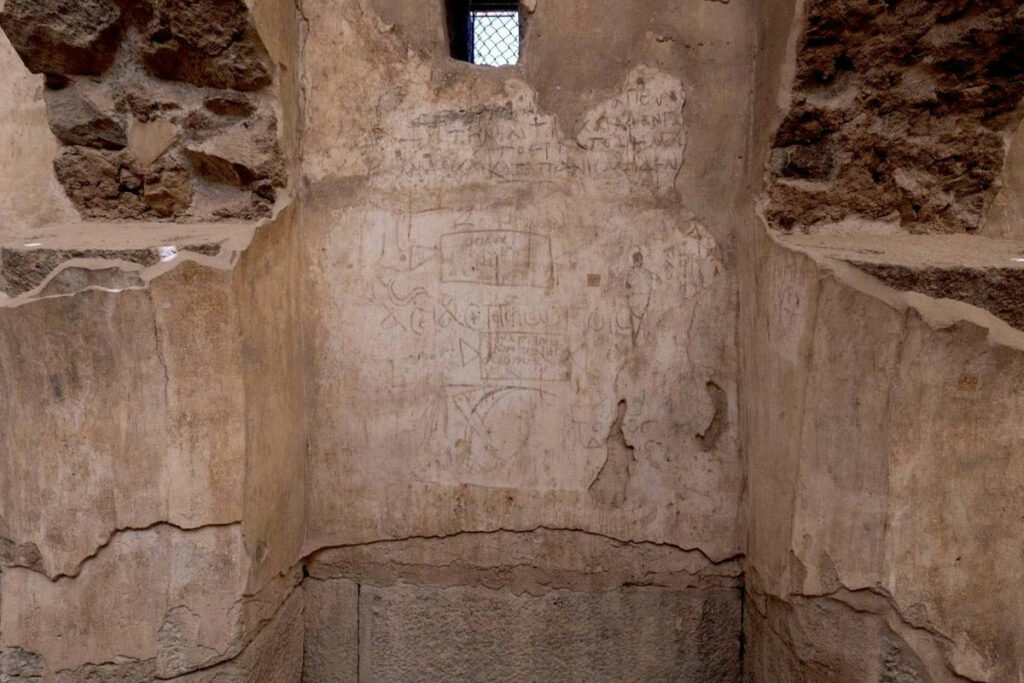
Researchers led by Akin Ersoy of İzmir Katip Celebi University have uncovered three possible public spaces dating to the fifth and sixth centuries A.D. in Smyrna’s agora, along with wall paintings found in the agora and theater.

Read story
Denmark’s Largest Known Viking Age Silver Hoard Found in a Backyard
06
Artifacts
Score 40

Denmark’s Largest Known Viking Age Silver Hoard Found in a Backyard

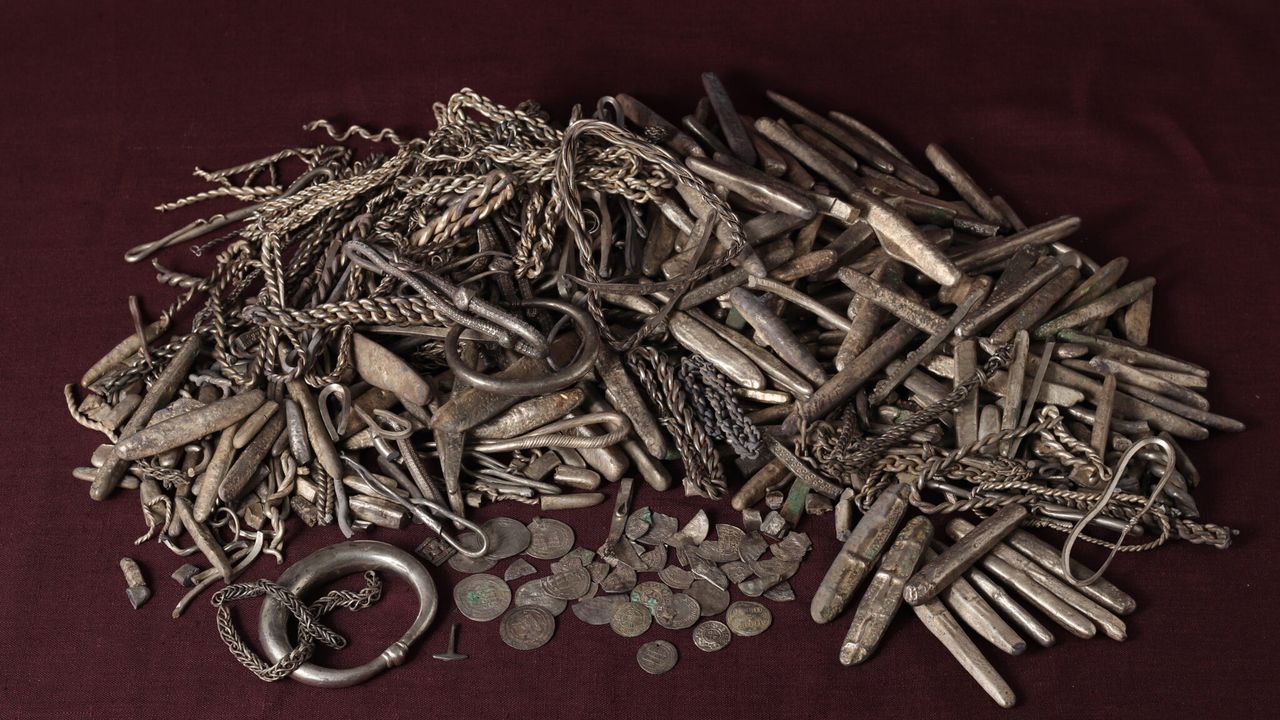
A homeowner in Rebild discovered about 18.5 kilograms of silver while preparing a terrace. The roughly 1,100-year-old hoard contains around 700 objects, including coins, bars, jewelry and a small Thor’s hammer, and is nearly three times larger than Denmark’s previous largest known Viking Age silver hoard.

Read story