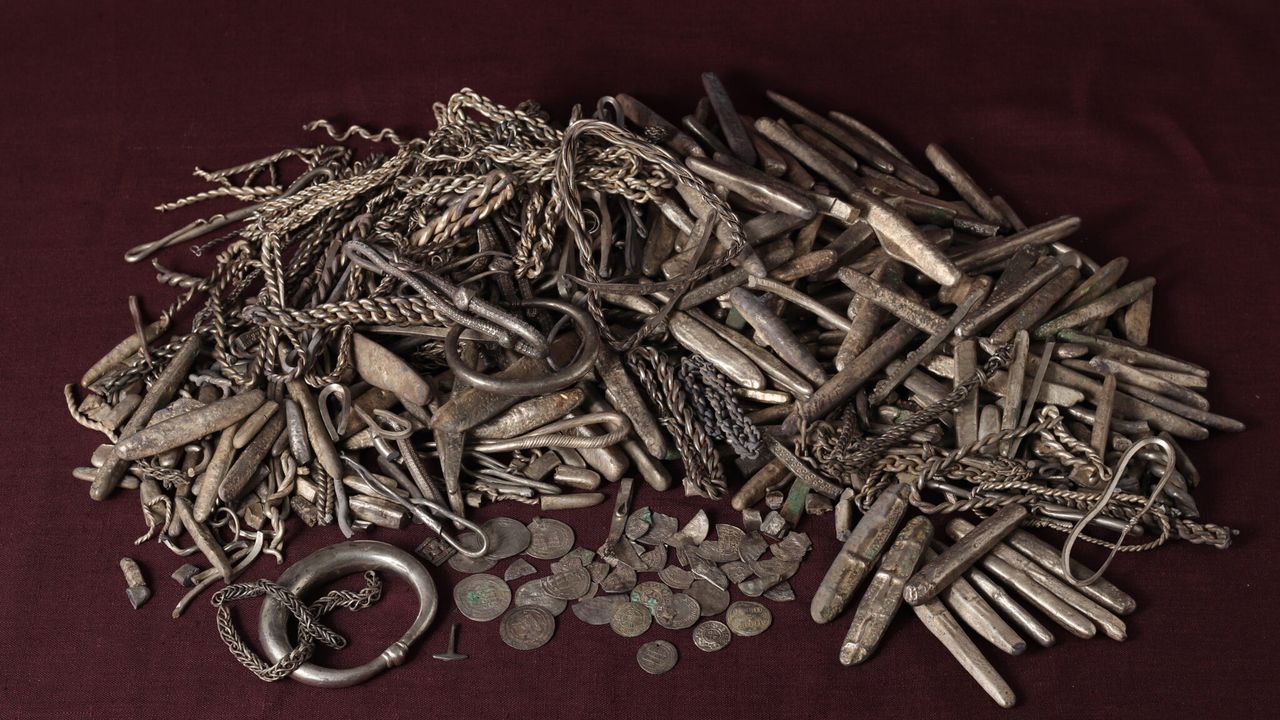
A hoard of approximately 2,600 silver coins has been discovered in the historic center of Kolomna in western Russia, according to Archaeology Magazine. The coins had been placed in a ceramic jug and buried at the site, where researchers identified them as dating to the fifteenth century.
Most of the hoard consists of dengi, coins valued at half a kopeck. One hundred kopecks equaled a ruble. The pieces were minted by monarchs of the Grand Principality of Moscow between about 1389 and the 1420s.
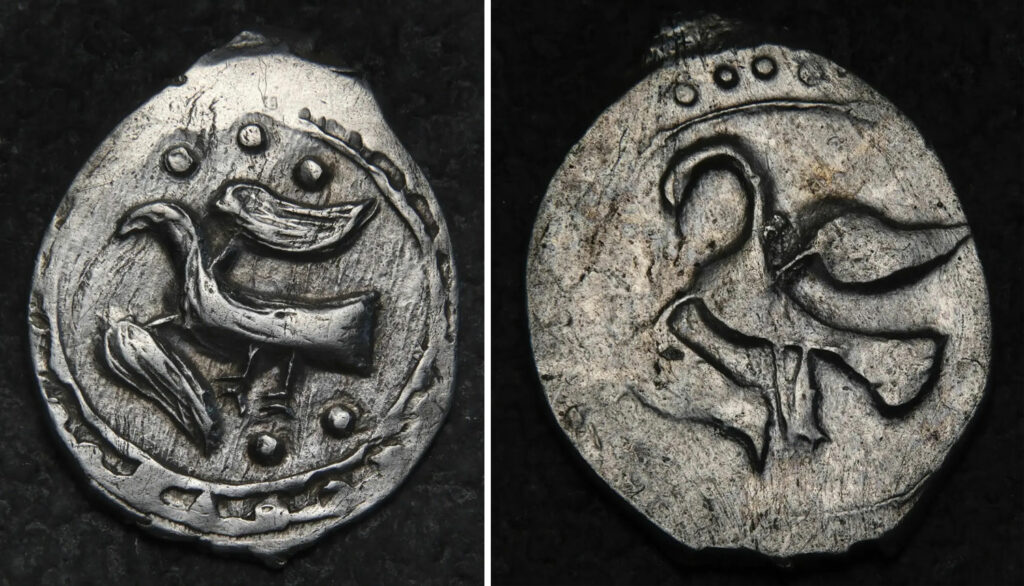
The collection includes examples with rare images of a bird in flight. More than 350 coins are described as previously unknown varieties minted locally in Kolomna, adding an important numismatic element to the find.
A.V. Engovatova of the Russian Academy of Sciences said researchers think the hoard’s owner may have died during a plague epidemic that affected the region between 1424 and 1427. The possible connection remains an interpretation rather than a confirmed explanation for why the coins were buried and left behind.
The discovery brings together a large group of monetary objects from a period when coins were being issued under the authority of the Grand Principality of Moscow. Its local varieties and unusual imagery provide the principal features highlighted in the reporting.