
Archaeology.Today
Field Report

New Map Traces Nimrud’s Lower City Beyond the Acropolis

Researchers from the University of Udine have mapped more than 800 acres around Nimrud’s acropolis mound in northern Iraq. Their work combines satellite imagery, surface survey, drone mapping, and geophysical studies to investigate the neighborhoods and daily lives of the city’s non-elite population.

September 5, 2026
1 Source
Nimrud
New Map Traces Nimrud’s Lower City Beyond the Acropolis
The Story

Researchers from the University of Udine have produced a high-resolution map of the lower city surrounding Nimrud’s acropolis mound in northern Iraq, documenting an area of more than 800 acres. The mapped zone was once enclosed by nearly five miles of defensive walls and contained most of the ancient city’s population.

The work forms part of the Nimrud Lower Town Archaeological Project, led by Daniele Morandi Bonacossi and Francesca Simi. The project is intended to reconstruct the daily lives of merchants, artisans, and other non-elite residents of the Assyrian Empire, according to Archaeology Magazine, which cited reporting by La Brújula Verde.

The researchers began by examining declassified satellite imagery. The images indicated that the lower city retained traces of walls, gates, streets, and residential districts. They then used a differential global positioning system and a drone to create a digital terrain model of the area.

A walking survey followed, during which the team collected and mapped visible pottery fragments across the city. The combined evidence was used to study how settlement was distributed from the third millennium B.C. through the Islamic period.

In several parts of the lower city, geophysical surveys provided further evidence of streets, neighborhoods, large building complexes, walls, kilns, and pits. These results support the interpretation of a complex urban landscape extending beyond the acropolis, although the findings remain subject to verification through excavation.

The project team plans to conduct additional geophysical surveys and test the results with archaeological excavations. Those future investigations are expected to help clarify the nature and chronology of the structures identified through remote sensing, surface survey, and geophysical methods.

Reference Desk

Sources & Further Reading

Continue Exploring

Related Archaeology

More stories
AI Models Reconstruct Sensory Experiences in Etruscan Tombs
01
Ancient Civilizations
Score 20

AI Models Reconstruct Sensory Experiences in Etruscan Tombs

A study of two painted tombs at Tarquinia, Italy, combines 3D modeling, acoustic measurements and AI-based visual analysis to examine how ancient visitors may have experienced light, imagery and sound. The researchers find sharply different sensory environments, while noting that intentional design cannot be established.

Read story
Bosutswe Metalwork Reveals Long-Distance Copper Trade and Local Bronze Making
02
Bioarchaeology
Score 20

Bosutswe Metalwork Reveals Long-Distance Copper Trade and Local Bronze Making

Lead-isotope analysis of 30 metal objects from Iron Age sites in Botswana indicates that copper reached Bosutswe from mines across southern Africa. Bronze objects consistently point to the Rooiberg valley in South Africa for their tin, suggesting bronze was produced locally from materials acquired through separate trade networks.

Read story
Private Roman Bath Found in Imperial Palace at Serbia’s Vrelo-Šarkamen
03
Ancient Civilizations
Score 20

Private Roman Bath Found in Imperial Palace at Serbia’s Vrelo-Šarkamen

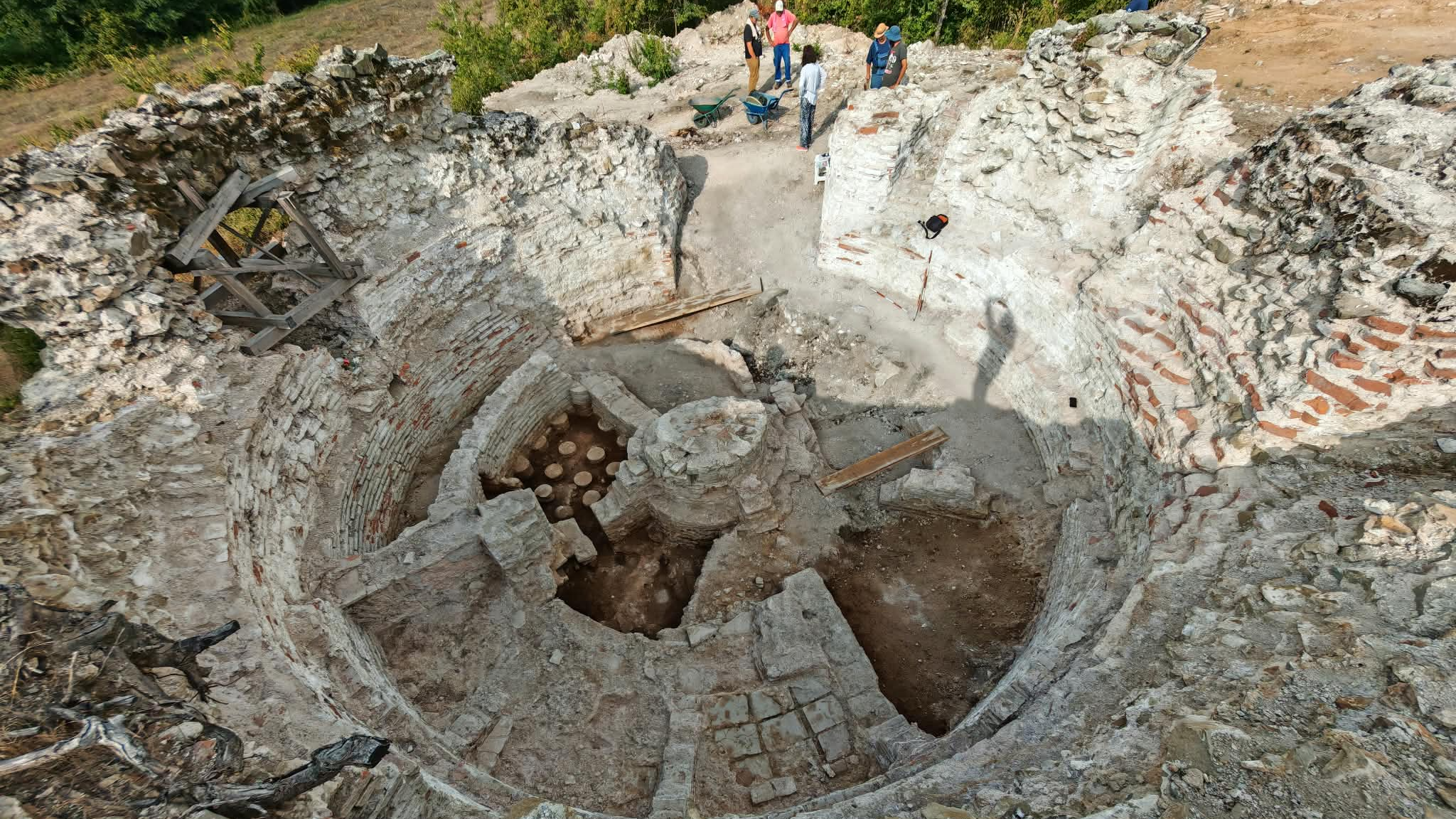
Archaeologists excavating the Vrelo-Šarkamen palace complex in eastern Serbia have uncovered a circular private bath with heated floors, three bathing pools and a steam room. The early fourth-century residence was occupied by Roman emperor Maximinus Daza, and the unusual design appears to have served high-status palace residents.

Read story
Arnhem Land Rock Art May Reflect Response to Colonial Change
04
Discoveries
Score 20

Arnhem Land Rock Art May Reflect Response to Colonial Change

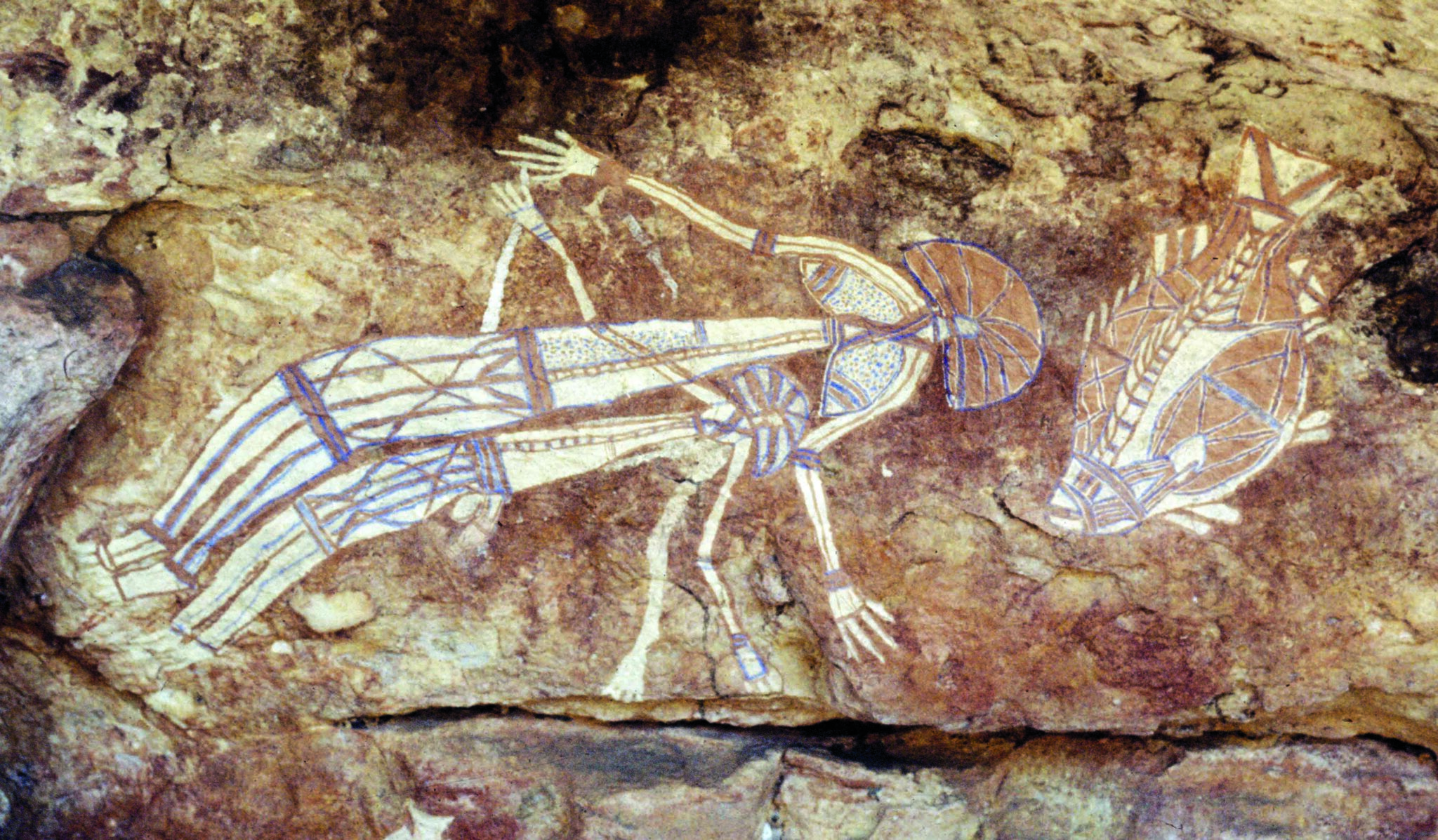
A study of Aboriginal rock art in western Arnhem Land has documented enormous images of Rainbow Serpents, pythons, crocodiles, and kangaroos. Researchers suggest that some paintings made during the nineteenth and twentieth centuries may have helped communities respond to the upheaval associated with European colonization.

Read story
Spinal Evidence Shows Strain of Child Labor in the Netherlands
05
Discoveries
Score 20

Spinal Evidence Shows Strain of Child Labor in the Netherlands

A Leiden University study of more than 140 young people who lived in the Netherlands between the 17th and 19th centuries found spinal damage associated with physically demanding work. The most severe changes occurred among children who repeatedly carried heavy loads on rural dairy farms.

Read story
BLM Opens Comment Period on Proposed Revocation of Chaco Land Withdrawal
06
Discoveries
Score 20

BLM Opens Comment Period on Proposed Revocation of Chaco Land Withdrawal

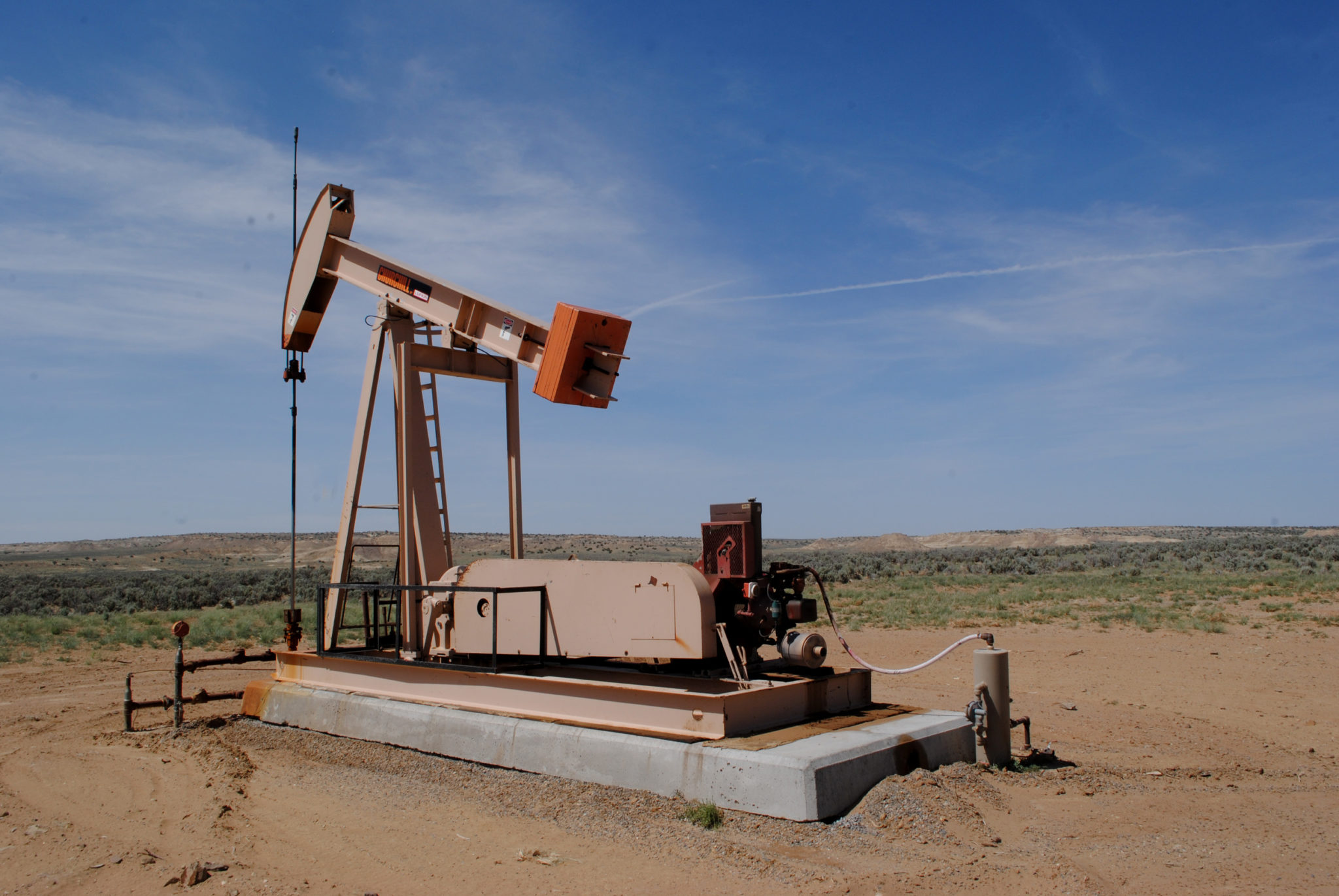
The Bureau of Land Management has released a draft Environmental Assessment on revoking a 10-mile minerals leasing withdrawal around Chaco Culture National Historical Park. Archaeology Southwest argues that the assessment does not adequately address potential impacts to cultural sites or incorporate Indigenous traditional knowledge.

Read story