Archaeology.Today
Field Report

Arnhem Land Rock Art May Reflect Response to Colonial Change

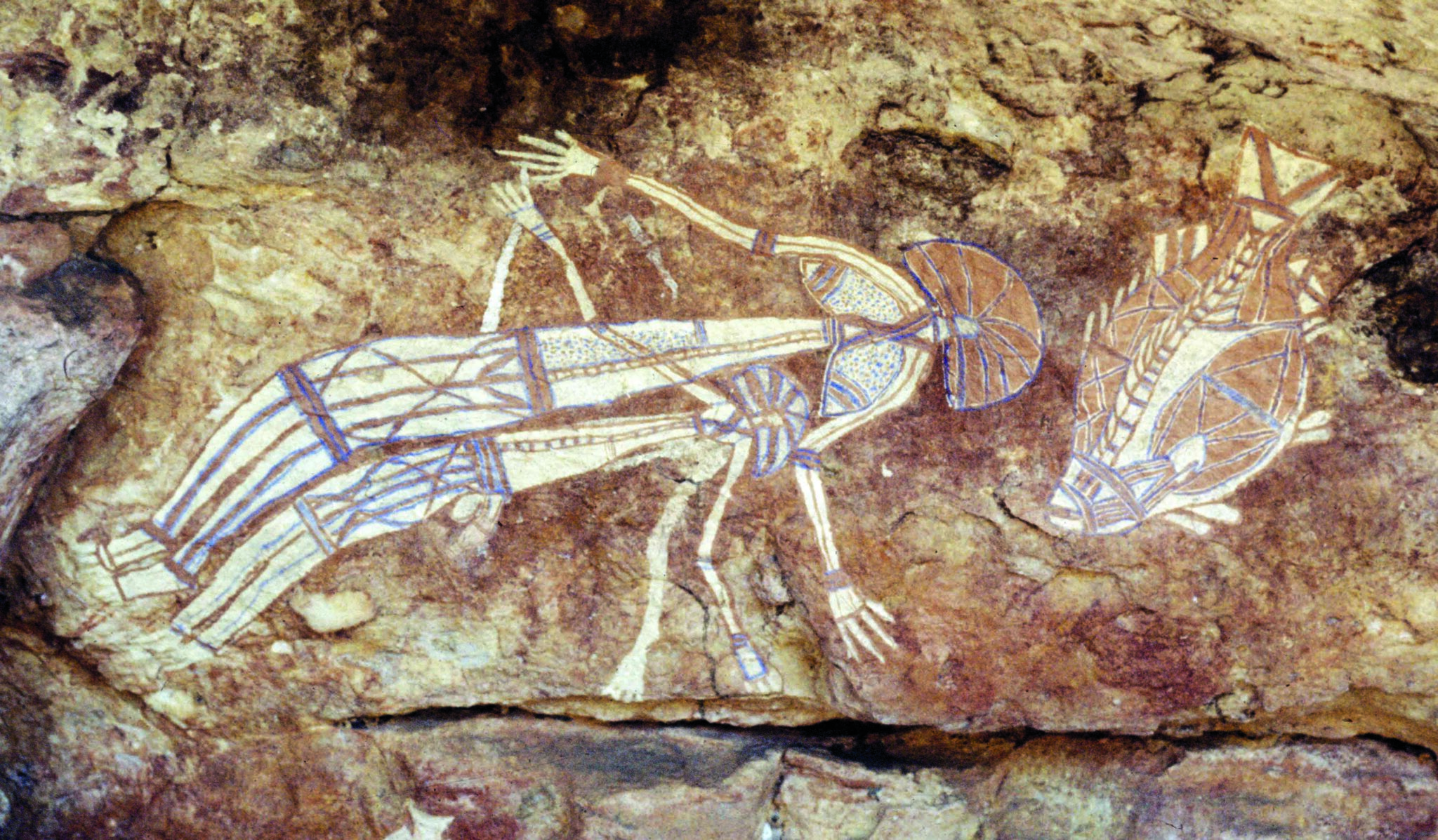
A study of Aboriginal rock art in western Arnhem Land has documented enormous images of Rainbow Serpents, pythons, crocodiles, and kangaroos. Researchers suggest that some paintings made during the nineteenth and twentieth centuries may have helped communities respond to the upheaval associated with European colonization.

September 4, 2026
1 Source
Awunbarna
Arnhem Land Rock Art May Reflect Response to Colonial Change
The Story

Researchers documenting rock art in western Arnhem Land have recorded exceptionally large images, including Rainbow Serpents about 20 feet long, seven-foot pythons, and life-size crocodiles and kangaroos. A new study suggests that some of the paintings, made during the nineteenth and twentieth centuries, may have been created in response to the changes brought by European colonization.

Archaeologist Paul Taçon of Griffith University and his colleagues worked with senior Amurdak Traditional Owner Charlie Mungulda to record rock art at 165 sites in the Awunbarna region. The area was a meeting place for Aboriginal language groups involved in trade, ceremonies, and other social activities. The colonial buffalo-shooting industry began there in the late nineteenth century, introducing major changes to the region, according to the researchers.

The team identified 29 Rainbow Serpent images at 21 of the sites. Some were painted over earlier artworks using white pipe clay, a material the researchers said fades over the course of a few hundred years. The layering of images provided evidence that the rock art was produced over extended periods rather than as a single body of work.

In Aboriginal traditions described in the study, Rainbow Serpents are ancestral beings associated with the Dreamtime, the past, and the continuing present. They are also connected with change and with learning to manage it. The researchers therefore interpret the large, later images as possible efforts to reinforce cultural traditions during a period of rapid disruption.

Taçon said depictions, stories, and ceremonies involving the Rainbow Serpent may have offered Aboriginal communities a way to seek stability and a sense of control over their future. That interpretation remains a conclusion about the images’ cultural role, rather than a directly established explanation for why every painting was made.

The findings come from a broader effort to document more than 160 rock art sites in Awunbarna. The study was reported in Australian Archaeology and summarized by Archaeology Magazine.

Reference Desk

Sources & Further Reading

Continue Exploring

Related Archaeology

More stories
Bosutswe Metalwork Reveals Long-Distance Copper Trade and Local Bronze Making
01
Bioarchaeology
Score 20

Bosutswe Metalwork Reveals Long-Distance Copper Trade and Local Bronze Making

Lead-isotope analysis of 30 metal objects from Iron Age sites in Botswana indicates that copper reached Bosutswe from mines across southern Africa. Bronze objects consistently point to the Rooiberg valley in South Africa for their tin, suggesting bronze was produced locally from materials acquired through separate trade networks.

Read story
Private Roman Bath Found in Imperial Palace at Serbia’s Vrelo-Šarkamen
02
Ancient Civilizations
Score 20

Private Roman Bath Found in Imperial Palace at Serbia’s Vrelo-Šarkamen

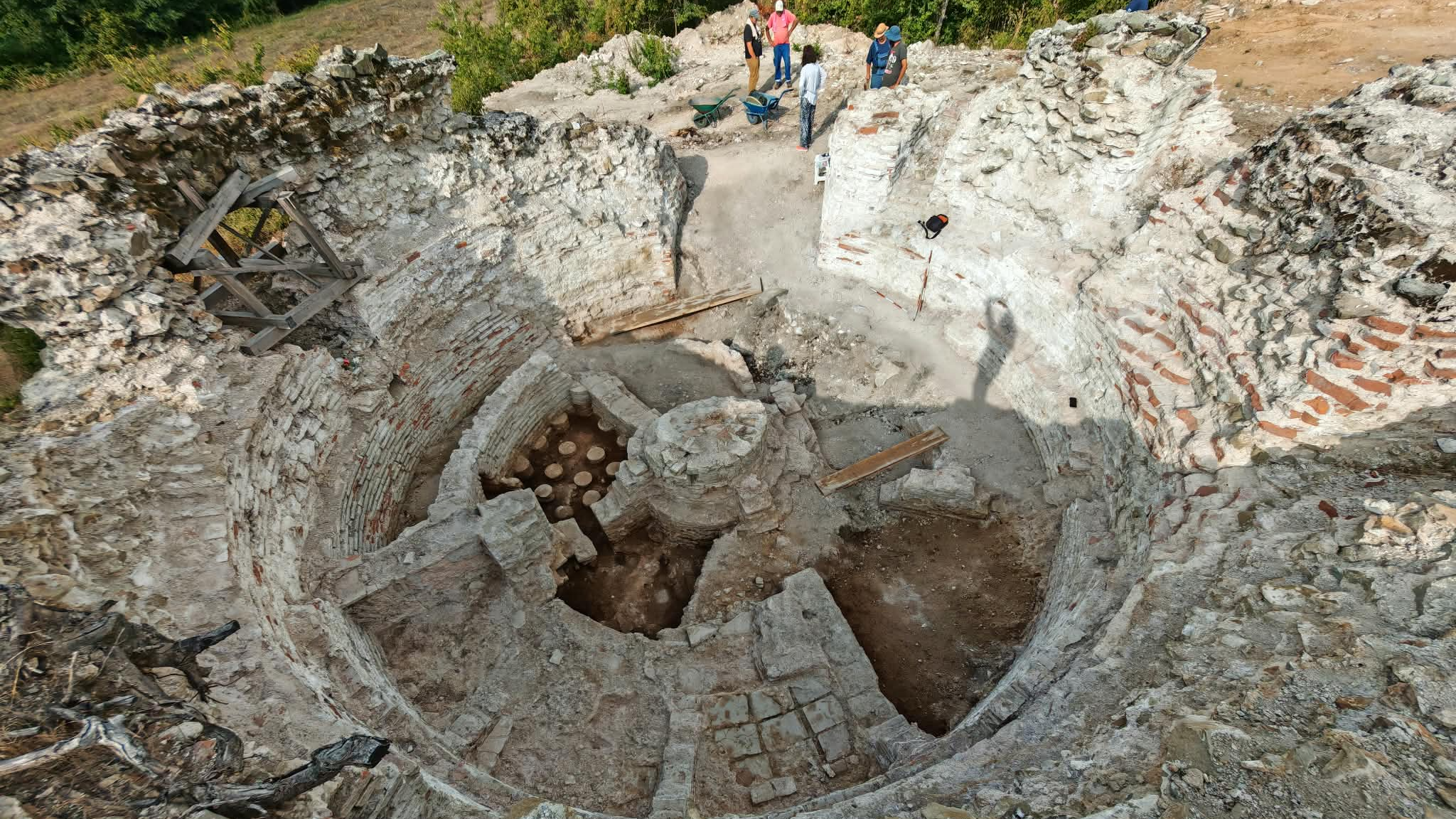
Archaeologists excavating the Vrelo-Šarkamen palace complex in eastern Serbia have uncovered a circular private bath with heated floors, three bathing pools and a steam room. The early fourth-century residence was occupied by Roman emperor Maximinus Daza, and the unusual design appears to have served high-status palace residents.

Read story
Spinal Evidence Shows Strain of Child Labor in the Netherlands
03
Discoveries
Score 20

Spinal Evidence Shows Strain of Child Labor in the Netherlands

A Leiden University study of more than 140 young people who lived in the Netherlands between the 17th and 19th centuries found spinal damage associated with physically demanding work. The most severe changes occurred among children who repeatedly carried heavy loads on rural dairy farms.

Read story
BLM Opens Comment Period on Proposed Revocation of Chaco Land Withdrawal
04
Discoveries
Score 20

BLM Opens Comment Period on Proposed Revocation of Chaco Land Withdrawal

The Bureau of Land Management has released a draft Environmental Assessment on revoking a 10-mile minerals leasing withdrawal around Chaco Culture National Historical Park. Archaeology Southwest argues that the assessment does not adequately address potential impacts to cultural sites or incorporate Indigenous traditional knowledge.

Read story
Archaeology Southwest Highlights Threats to Section 106 and Southwest Heritage
05
Discoveries
Score 20

Archaeology Southwest Highlights Threats to Section 106 and Southwest Heritage

A roundup from Archaeology Southwest points to proposed changes to Section 106, border-barrier construction concerns in the Lower Pecos Canyonlands and Big Bend National Park, and potential development near several protected cultural landscapes.

Read story
Groups Urge Action on Lower Pecos Border Project and Section 106
06
Discoveries
Score 20

Groups Urge Action on Lower Pecos Border Project and Section 106

Archaeology Southwest is urging the public to comment on proposed border infrastructure in Texas’s Lower Pecos Canyonlands and to contact Congress about protecting Section 106 reviews. The organization says the project could affect a nationally recognized archaeological landscape and Seminole Canyon State Park.

Read story