Archaeology.Today
Field Report

AI Models Reconstruct Sensory Experiences in Etruscan Tombs

A study of two painted tombs at Tarquinia, Italy, combines 3D modeling, acoustic measurements and AI-based visual analysis to examine how ancient visitors may have experienced light, imagery and sound. The researchers find sharply different sensory environments, while noting that intentional design cannot be established.

September 5, 2026
1 Source
Tomba del Gallo
AI Models Reconstruct Sensory Experiences in Etruscan Tombs
The Story

A new study uses artificial intelligence, architectural modeling and acoustic analysis to explore how people may have experienced two painted Etruscan tombs at Tarquinia, Italy, rather than treating their decorations solely as images to interpret.

The tombs date to the first millennium BCE and contain scenes associated with music, feasting, processions and the afterlife. Archaeologists Maurizio Forte and Jacqueline Ortoleva created detailed three-dimensional models of the Tomba del Gallo and the Tomba dei Demoni Azzurri. They also surveyed how sound traveled through the spaces by playing recorded handclaps at different locations and measuring reverberation.

For the visual analysis, the team used AI-based computer vision to identify features likely to attract attention, possible movement routes and areas where activity may have concentrated. The models simulated candlelight rather than torches, which the researchers considered more plausible for the small enclosed spaces because torches could have produced dangerous amounts of smoke.

The smaller Tomba del Gallo dates to between 450 and 400 BCE. Its burial chamber measures 3.31 meters by 2.50 meters and contains a banquet scene and an image of dancers and double-pipe players. According to the study, the entrance corridor offers relatively little visual stimulation, directing movement toward the chamber. Short reverberation times meant that sound did not accumulate strongly there, producing what the researchers describe as a comparatively clear, visually focused environment.

The Tomba dei Demoni Azzurri, dated to between 450 and 420 BCE, is substantially larger, with a burial chamber measuring 6.20 meters by 6.10 meters. Its paintings include banquet and procession scenes, as well as demons and a small boat carrying female and male figures. Acoustic testing found stronger and longer-lasting reverberation, particularly near the rear banquet scene, with sound able to move between the chamber and the outside area.

The study identifies a blue demon on the right wall as a particularly strong visual focus. Combined with low-frequency sounds that the researchers say could have produced bodily vibration and disrupted spatial orientation, the tomb may have offered a more intense and disorienting experience than the Tomba del Gallo.

The researchers emphasize that it remains unclear whether the builders deliberately engineered these effects or whether they resulted from the tombs’ architecture and materials. Their findings instead suggest that Etruscan painted tombs did not follow a single sensory pattern and may have affected the living as well as housed the dead.
Reference Desk

Sources & Further Reading

Continue Exploring

Related Archaeology

More stories
Roman Shipwreck Carrying Hundreds of Amphorae Found off Sicily
01
Underwater Archaeology
Score 85

Roman Shipwreck Carrying Hundreds of Amphorae Found off Sicily

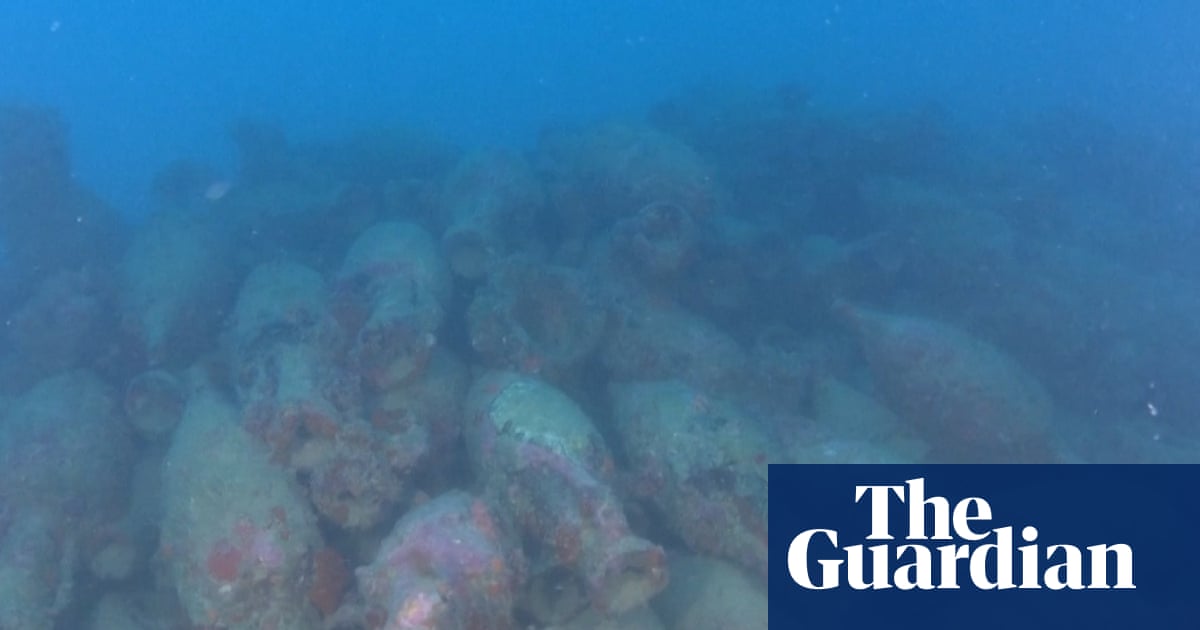
Italy’s Carabinieri cultural heritage protection unit has located a Roman shipwreck about three miles off Mazara del Vallo, Sicily. The approximately 2,100-year-old vessel contains around 500 amphorae, along with parts of anchors, and will undergo further scientific documentation.

Read story
Private Roman Bath Found in Imperial Palace at Serbia’s Vrelo-Šarkamen
02
Ancient Civilizations
Score 40

Private Roman Bath Found in Imperial Palace at Serbia’s Vrelo-Šarkamen

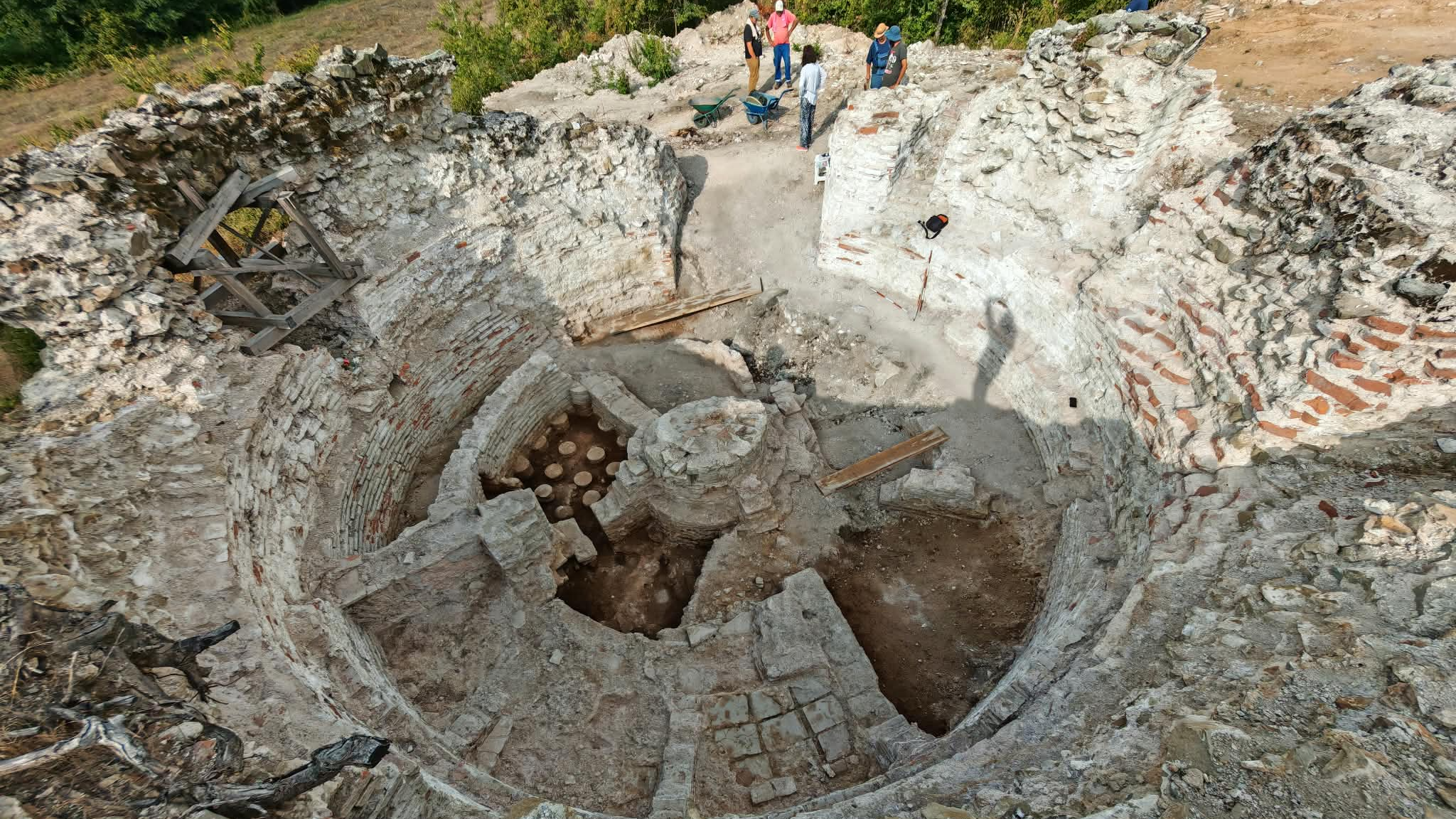
Archaeologists excavating the Vrelo-Šarkamen palace complex in eastern Serbia have uncovered a circular private bath with heated floors, three bathing pools and a steam room. The early fourth-century residence was occupied by Roman emperor Maximinus Daza, and the unusual design appears to have served high-status palace residents.

Read story
Domestic Buildings and Workshops Found Near Memphis Temple
03
Ancient Civilizations
Score 40

Domestic Buildings and Workshops Found Near Memphis Temple

A joint Egyptian-Chinese team has uncovered adobe buildings, workshops, and a possible winepress near the Temple of Sekhmet in Memphis. Ceramics, faience amulets, and votive plaques may indicate that religious activity continued there into the Greco-Roman period.

Read story
New Map Traces Nimrud’s Lower City Beyond the Acropolis
04
Discoveries
Score 20

New Map Traces Nimrud’s Lower City Beyond the Acropolis

Researchers from the University of Udine have mapped more than 800 acres around Nimrud’s acropolis mound in northern Iraq. Their work combines satellite imagery, surface survey, drone mapping, and geophysical studies to investigate the neighborhoods and daily lives of the city’s non-elite population.

Read story
Inscription Near Sinai May Identify Ramesses II-Era City of Mesn
05
Artifacts
Score 20

Inscription Near Sinai May Identify Ramesses II-Era City of Mesn

A 3,200-year-old inscription discovered at Tell Abu Seifi refers to Horus as the “Lord of the City of Mesn.” Together with a nearby temple dedicated to the god, the find may link the site to a long-sought Egyptian settlement, although researchers say further evidence is needed.

Read story
Bosutswe Metalwork Reveals Long-Distance Copper Trade and Local Bronze Making
06
Bioarchaeology
Score 20

Bosutswe Metalwork Reveals Long-Distance Copper Trade and Local Bronze Making

Lead-isotope analysis of 30 metal objects from Iron Age sites in Botswana indicates that copper reached Bosutswe from mines across southern Africa. Bronze objects consistently point to the Rooiberg valley in South Africa for their tin, suggesting bronze was produced locally from materials acquired through separate trade networks.

Read story