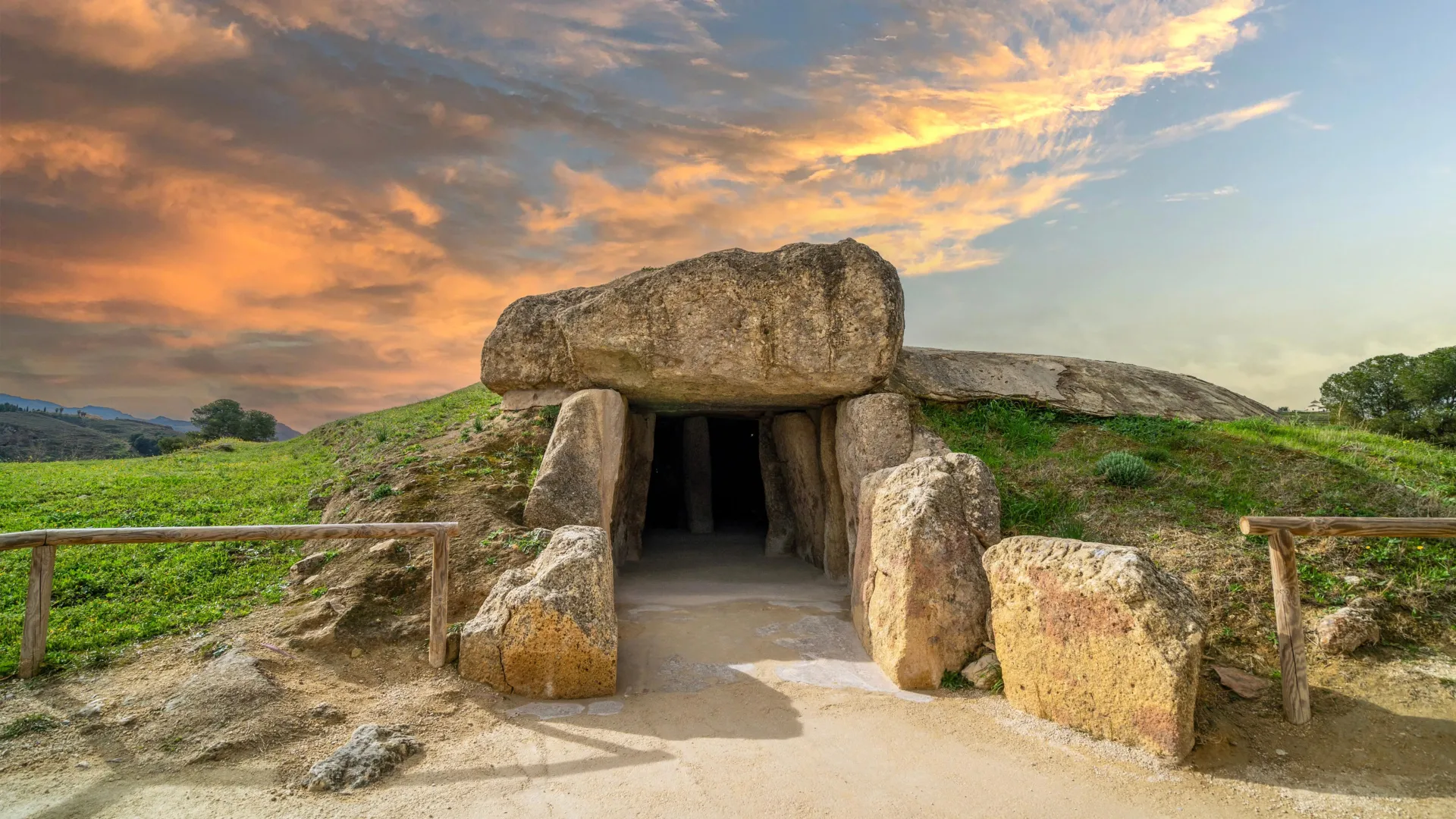
A genetic study of 132 people buried in a megalithic tomb near Bury, about 50 kilometers north of Paris, has identified a major population break during the Stone Age. The tomb was used in two periods separated by a substantial demographic decline around 3000 BC, according to research reported by the University of Copenhagen.
People buried before and after the decline were not closely related. Earlier individuals had genetic connections to Stone Age farming populations in northern France and Germany, while those buried later showed stronger links to southern France and the Iberian Peninsula. The pattern suggests that the original population largely disappeared before newcomers moved into the region from the south.
Researchers examined genetic material preserved in ancient bones for evidence of pathogens. They detected Yersinia pestis, the bacterium associated with plague, as well as Borrelia recurrentis, which causes louse-borne relapsing fever. However, the study’s authors said the presence of plague does not establish it as the sole cause of the collapse. They proposed that disease may have combined with environmental stress and other disruptive events.
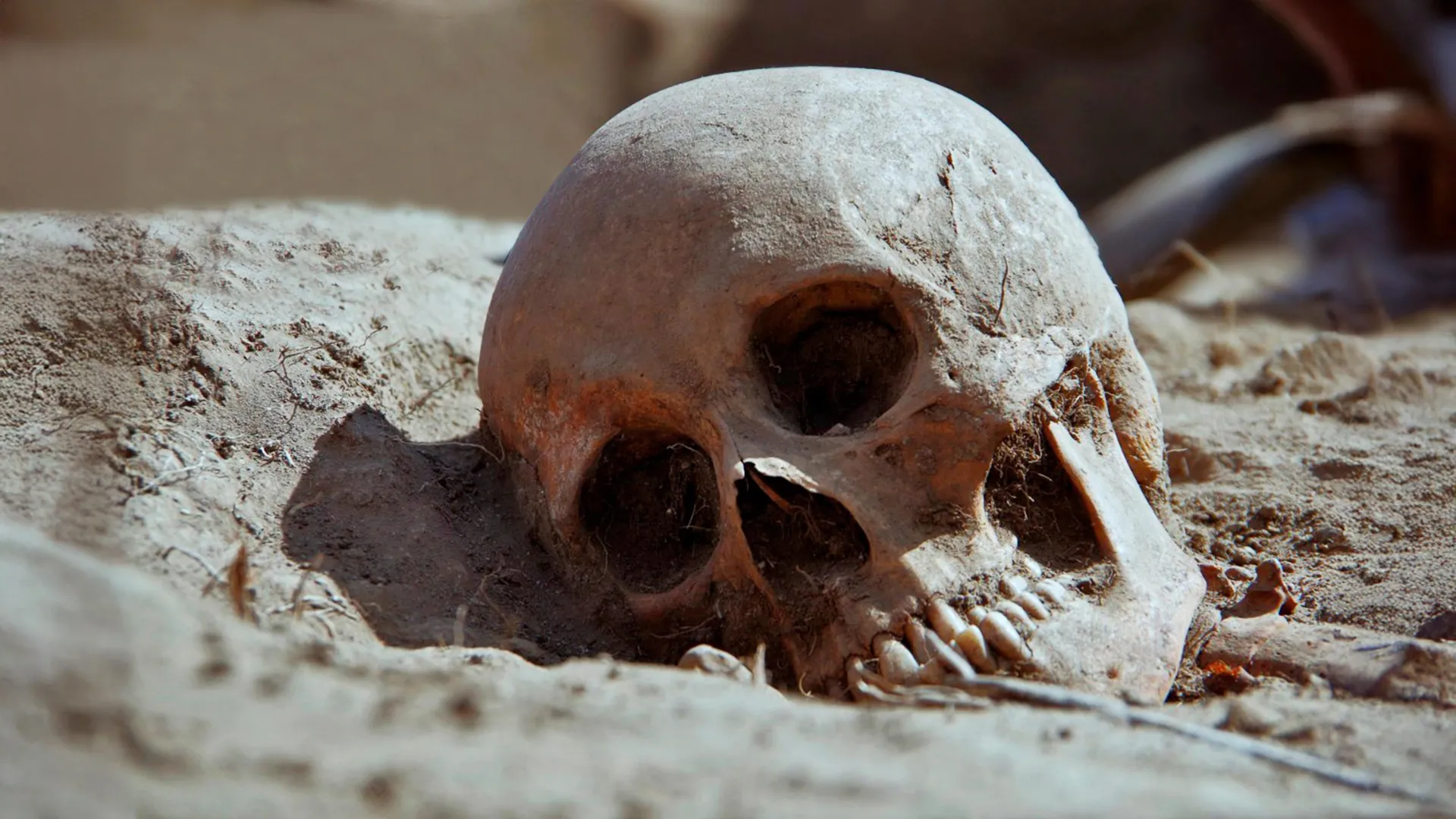
The skeletal evidence also points to an intense crisis during the earlier phase of burial. Archaeologists identified unusually high mortality, particularly among children and young people. Laure Salanova of France’s National Centre for Scientific Research described the demographic pattern as a strong indication of crisis.
The genetic shift was accompanied by changes in burial practices and social organization. During the earlier period, the tomb held several generations from the same extended families, suggesting that relatives were buried there over time. Later burials were more selective and were dominated by a single male lineage, indicating a different structure within the community.
The findings, published in Nature Ecology & Evolution, add to evidence that a Neolithic population decline affected broad areas of northern and western Europe. The researchers also said the timing may help explain the end of megalithic tomb construction and other large stone monuments: the disappearance of the communities that built them appears to have coincided with the decline of those traditions.