Archaeology.Today
Field Report

Wolves on Swedish Island Point to Prehistoric Human Management

Wolf remains from Stora Karlsö, a small Baltic island with no native land mammals, date to roughly 3,000–5,000 years ago. Genetic, dietary and skeletal evidence suggests people transported the animals by boat and may have fed or cared for them without fully domesticating them.

September 8, 2026
1 Source
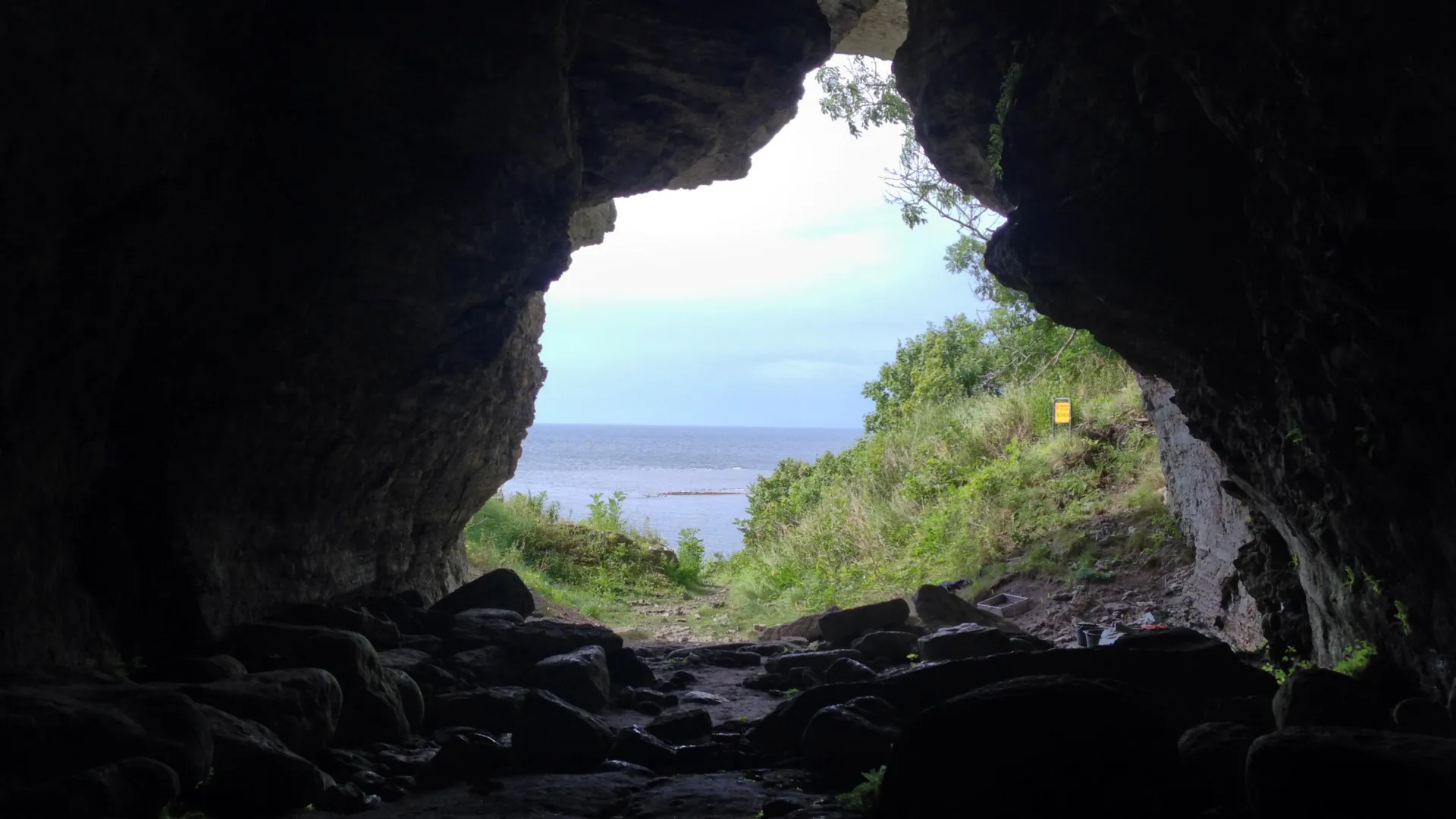
Stora Förvar cave
Wolves on Swedish Island Point to Prehistoric Human Management
The Story

Researchers have identified two ancient wolves on the Swedish island of Stora Karlsö, where the animals could not have arrived without human assistance. The remains, found in Stora Förvar cave, date to roughly 3,000–5,000 years ago and suggest that prehistoric people may have maintained close relationships with wolves before the emergence of fully domesticated dogs.

The study was conducted by scientists from the Francis Crick Institute, Stockholm University, the University of Aberdeen and the University of East Anglia. Their findings were published in Proceedings of the National Academy of Sciences, according to ScienceDaily’s report on the research.

Stora Karlsö covers about 2.5 square kilometers and has no native terrestrial mammals. Because wolves could not naturally cross the surrounding open water and establish themselves there, the researchers conclude that people must have transported them, likely by boat. The cave was used extensively by seal hunters and fishers during the Neolithic and Bronze Ages.

Genetic analysis showed that both specimens were wolves rather than dogs, with no evidence of dog ancestry. Isotope analysis indicated that the animals consumed substantial amounts of marine protein, including seals and fish. Their diet closely resembled that of the people living on the island, which researchers say may indicate that humans fed them.

The wolves were also smaller than typical mainland wolves. One individual had exceptionally low genetic diversity, a pattern that can occur in isolated or bottlenecked populations and may also be associated with domestication or selective breeding. The researchers caution, however, that natural causes cannot be ruled out.

Skeletal evidence provides another possible indication of human care. One Bronze Age wolf had severe damage to a limb bone that would probably have impaired its ability to move and hunt. Its survival long enough for the injury to leave a visible mark may suggest that it received some care or lived in conditions where it did not need to hunt large prey.

The evidence does not establish whether the wolves were tame, held in captivity or selectively bred. Instead, the researchers argue that the findings point to a range of human-wolf relationships that does not fit a simple progression from wild wolves to dogs. Some prehistoric communities may have managed or cared for wolves without fully domesticating them.

Reference Desk

Sources & Further Reading

Continue Exploring

Related Archaeology

More stories
6,500-Year-Old Czech Enclosure May Have Marked Solar and Lunar Cycles
01
Discoveries
Score 75

6,500-Year-Old Czech Enclosure May Have Marked Solar and Lunar Cycles

Archaeologists studying a 230-meter prehistoric enclosure near Chleby say its 12 entrances may have created sightlines to important positions of the Sun and Moon. The monument, dated through organic material, appears to predate major Stonehenge construction phases by more than 1,000 years.

Read story
High-Nickel Rings Point to Meteorite Iron in Bronze Age Greece
02
Artifacts
Score 75

High-Nickel Rings Point to Meteorite Iron in Bronze Age Greece

A study of 91 ancient iron objects from Greece found unusually high nickel levels in 13 rings and ring fragments. Researchers say at least 10 were probably made from meteoritic iron, with many discovered in wealthy tombs linked to Mycenaean elites.

Read story
Ancient DNA Tracks Population Replacement at French Megalithic Tomb
03
Bioarchaeology
Score 75

Ancient DNA Tracks Population Replacement at French Megalithic Tomb

DNA from 132 people buried at a megalithic tomb near Bury, north of Paris, indicates a sharp population break around 3000 BC. Researchers found evidence of disease and severe mortality, but say the collapse likely resulted from several interacting pressures rather than plague alone.

Read story
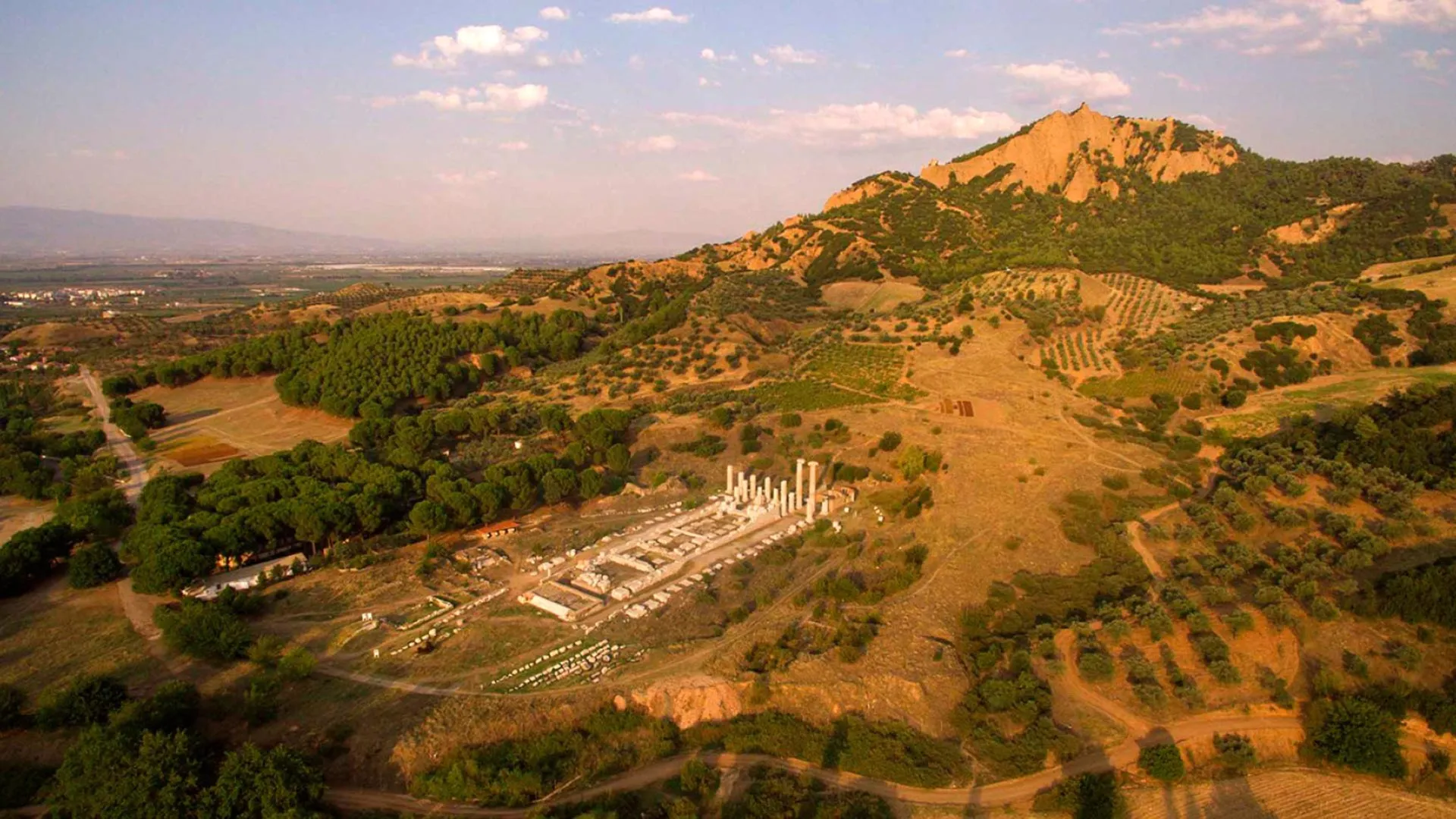
Ancient Sardis Added to UNESCO World Heritage List After Decades of Excavation
04
Heritage
Score 55

Ancient Sardis Added to UNESCO World Heritage List After Decades of Excavation

Sardis, an ancient city in western Turkey excavated continuously since 1958, has been added to the UNESCO World Heritage List. Researchers say the designation recognizes decades of archaeological work while highlighting the need to protect the site from erosion, farming damage and looting.

Read story
Bronze-Casting Mould and Weapons Found at Tatarstan Pyanobor Site
05
Excavations
Score 20

Bronze-Casting Mould and Weapons Found at Tatarstan Pyanobor Site

Excavations at the Kipchak Archaeological Complex in Russia’s Tatarstan have yielded a bronze-casting mould, bronze and iron arrowheads, a spearhead, jewellery and decorated pottery. Kazan Federal University archaeologists say the finds may help investigate the debated origins of the Pyanobor culture.

Read story
Villa Complex and 84-Square-Metre Mosaic Found in Eastern Türkiye
06
Excavations
Score 20

Villa Complex and 84-Square-Metre Mosaic Found in Eastern Türkiye

A farmer’s discovery of mosaic remains in Salkaya village led to excavations revealing a settlement with a villa, bathhouse, church, grain-storage area and child’s grave. Archaeologists date the complex to the Late Roman and Early Byzantine periods, but its original owner remains unknown.

Read story