Ancient DNA analysis has identified the individual buried at Upton Lovell in Wiltshire as a woman, challenging long-standing assumptions about the sex and social role of the person known as the Upton Lovell Shaman.
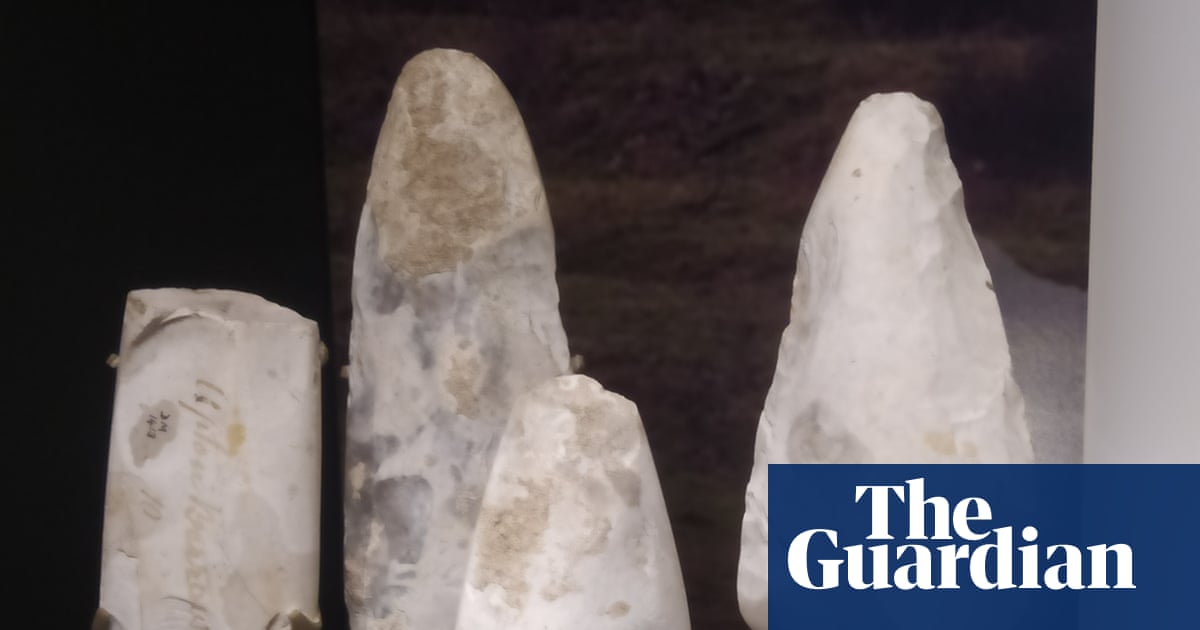
The burial, discovered in 1801 about 10 miles (16 kilometers) west of Stonehenge, dates to around 1,800 BC. It contained an almost complete skeleton alongside objects associated with metalworking, including flints, metalworking scribes and a touchstone—a dark stone that could have been used to assess metal quality.
The grave also held pierced animal bones arranged around the neck and legs, possibly the remains of a ceremonial cloak or bone necklace, as well as a pouch decorated with boar’s tusks. Four fossil sponges hollowed into cups were among the other objects. An earlier examination found traces of gold on the surfaces of stones, suggesting that the individual may have made ornaments consisting of a thin gold covering over a core of bone, wood or copper.
David Dawson, director of the Wiltshire Museum, said the burial provided evidence of a female metalworker, a role that has often been associated with men. The grave also included a greenstone object described as a battle axe, although its precise use cannot be established from the available evidence.
The skeleton was initially submitted for DNA analysis to investigate the ancestry of a person who lived in Britain when the region’s combination of tin and copper supported bronze production. The full results have not yet been released, but the individual appears to have had Beaker ancestry, described in the report as typical in Britain at the time.
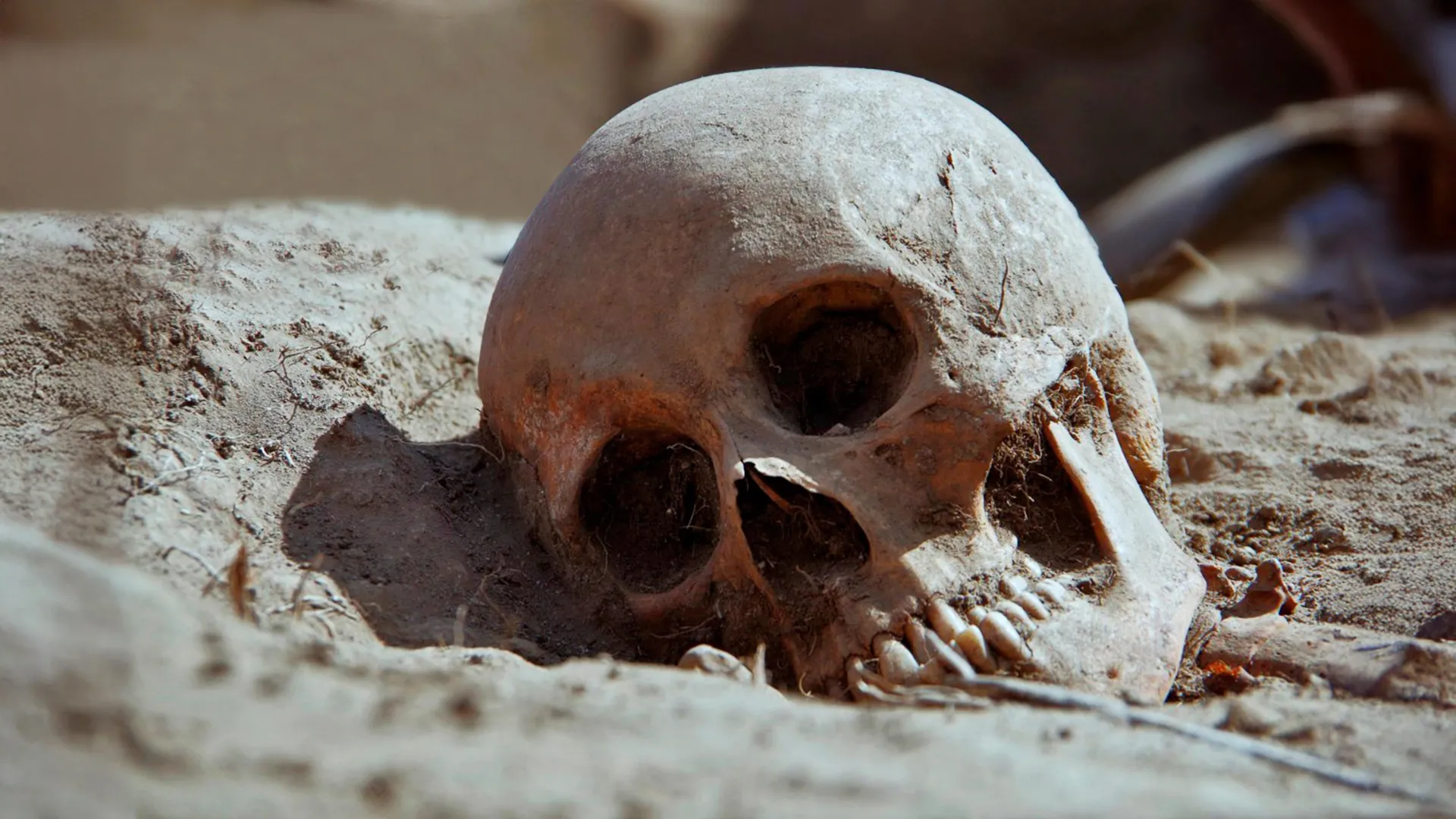
Researchers at the Francis Crick Institute analyzed the original skeleton and then tested a tooth and a toe. The three samples produced consistent results, with no indication that the grave contained more than one skeleton. The analysis was conducted by the institute’s ancient genomics laboratory.
The individual was approximately 165 centimeters (5 feet 4 inches) tall and robustly built, according to a detailed examination of the bones. Arthritis in the right wrist, but not the left, may be consistent with repeated use of the metalworking tools buried with her, although the finding does not by itself establish her occupation.
The results are being presented in “We Go Way Back,” an exhibition on ancient DNA opening at the Francis Crick Institute in London on July 16. The exhibition examines how genetic methods are providing new information about ancient people and their lives.