Archaeology.Today
Field Report

Dental Calculus Reveals Diverse Edo-Period Diets in Osaka

Analysis of hardened dental plaque from eight human remains at Osaka’s Umeda cemetery identified proteins from fish, mammals, and plants. The findings suggest that urban residents consumed varied foods, including imported cold-water fish and red sea bream associated in historical sources with luxury meals.

September 1, 2026
1 Source
Umeda cemetery
Dental Calculus Reveals Diverse Edo-Period Diets in Osaka
The Story

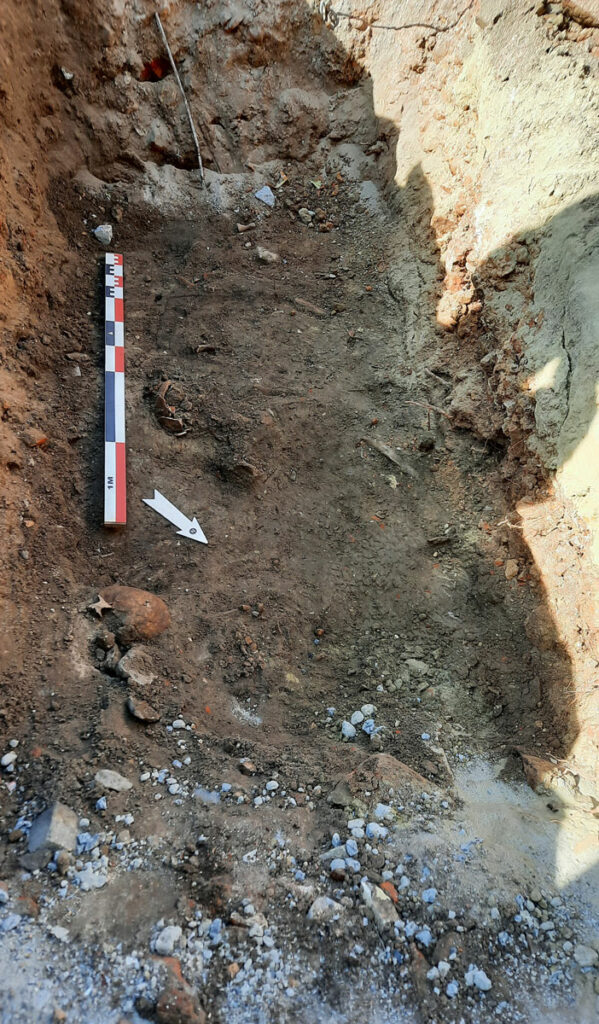
Researchers have reconstructed aspects of diet in premodern Osaka by examining dental calculus from eight sets of human remains excavated at the Umeda cemetery. The individuals lived in an urban setting during Japan’s Edo period, which lasted from A.D. 1603 to 1868.

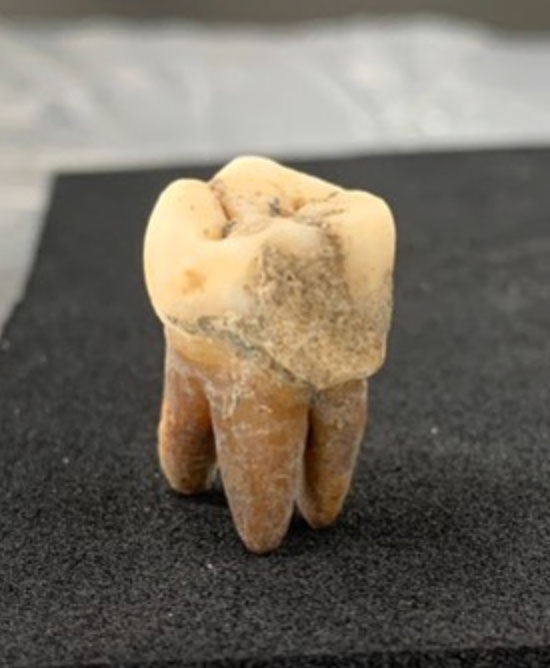
The study was conducted by researchers from the Graduate University for Advanced Studies (SOKENDAI), Aomori Public University, and Kyushu University. They combined analysis of bone collagen stable isotope ratios with palaeoproteomic examination of food-derived proteins preserved in hardened dental plaque.

The results point to a broad range of foods. Researchers identified 38 different dietary proteins representing nine species of fish, along with proteins from several land and marine mammals and multiple types of plants. Six of the individuals had consumed red sea bream (Pagrus major), a fish described in historical sources as a luxury food. Proteins from tonguefish and other flatfish were also detected.

Some of the remains contained evidence of cold-water fish. Because these fish do not live in nearby Osaka Bay, the researchers said they were likely brought to the area through Japan’s coastal shipping routes. The analysis also identified proteins from cotton seeds, which were probably cultivated locally and consumed as cottonseed oil.

According to a statement from SOKENDAI reported by Archaeology Magazine, the dietary evidence reflects Osaka’s role as a center for producing and redistributing food products across western Japan. The findings indicate access to foods from both local sources and wider coastal exchange networks, although the samples represent only the eight individuals examined.

The researchers plan to extend the work by analyzing dental calculus from samurai, rural residents, and people who lived in other parts of Japan. Those comparisons may help clarify how diet varied by occupation, environment, and region during the premodern period.

Reference Desk

Sources & Further Reading

Continue Exploring

Related Archaeology

More stories
Ancient DNA Identifies Cacao Consumption at Georgia’s Etowah Site
01
Bioarchaeology
Score 40

Ancient DNA Identifies Cacao Consumption at Georgia’s Etowah Site

DNA recovered from three pottery fragments indicates that people at the Etowah Mounds consumed cacao during the 11th and 12th centuries. The finding provides evidence of cacao use east of the Mississippi River and points to connections with regions where the tropical plant grew.

Read story
Dutch Child Labor Left Spinal Damage Visible in Skeletal Remains
02
Bioarchaeology
Score 40

Dutch Child Labor Left Spinal Damage Visible in Skeletal Remains

A study of 143 Dutch children and young adults who lived between the 1600s and 1800s found spinal wear and deformities associated with demanding physical work. The damage was most pronounced among children from rural dairy farms, while factory workers showed a different pattern of strain.

Read story
Medieval-to-Early Modern Cemetery Found in Ghent’s Flax Market
03
Bioarchaeology
Score 40

Medieval-to-Early Modern Cemetery Found in Ghent’s Flax Market

Archaeologists testing ground for a planned tree in Ghent uncovered four skeletons beside a church. The site may contain as many as 240 burials arranged across five levels, dating from the eleventh through the eighteenth centuries.

Read story
Study Examines Unusual 17th-Century Burial in Pień, Poland
04
Discoveries
Score 20

Study Examines Unusual 17th-Century Burial in Pień, Poland

A multidisciplinary study of Grave 75 at a cemetery in Pień examines the remains of a woman who died at about 17–19 years old. A sickle placed across her neck and a padlock fixed to her toe suggest measures intended to prevent the dead from returning, although researchers frame the burial within historical beliefs and social fears.

Read story
Fragments Reveal Previously Unknown Fourth-Century Roman Law Book
05
Artifacts
Score 20

Fragments Reveal Previously Unknown Fourth-Century Roman Law Book

A University of Cincinnati scholar and the Penn Museum have joined 50 animal-skin fragments into a double-sided page from a late-fourth-century Roman legal text. The Latin manuscript discusses taxation and public infrastructure but does not match any previously known imperial legal code.

Read story
Medieval Manuscript Fragments Illuminate Guernsey’s Literary Past
06
Artifacts
Score 20

Medieval Manuscript Fragments Illuminate Guernsey’s Literary Past

Seventeen fragments reused in early modern administrative bindings provide the first substantial evidence of medieval books and reading on Guernsey. Six are written in French, including a rare passage from a dramatic Griselda poem that survives in only one other manuscript.

Read story