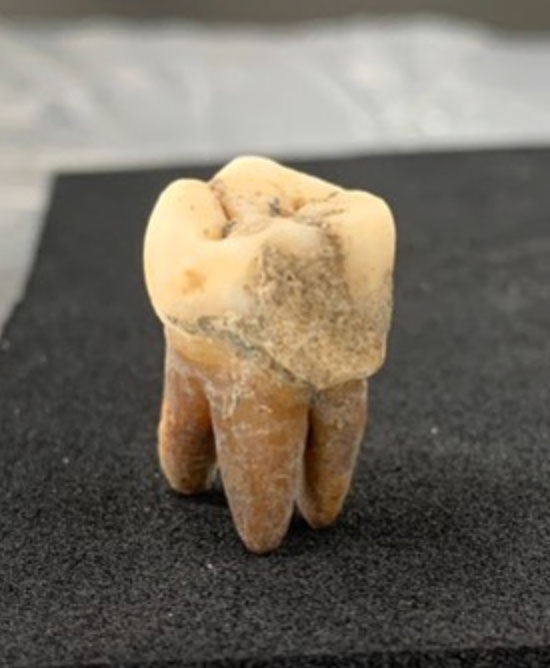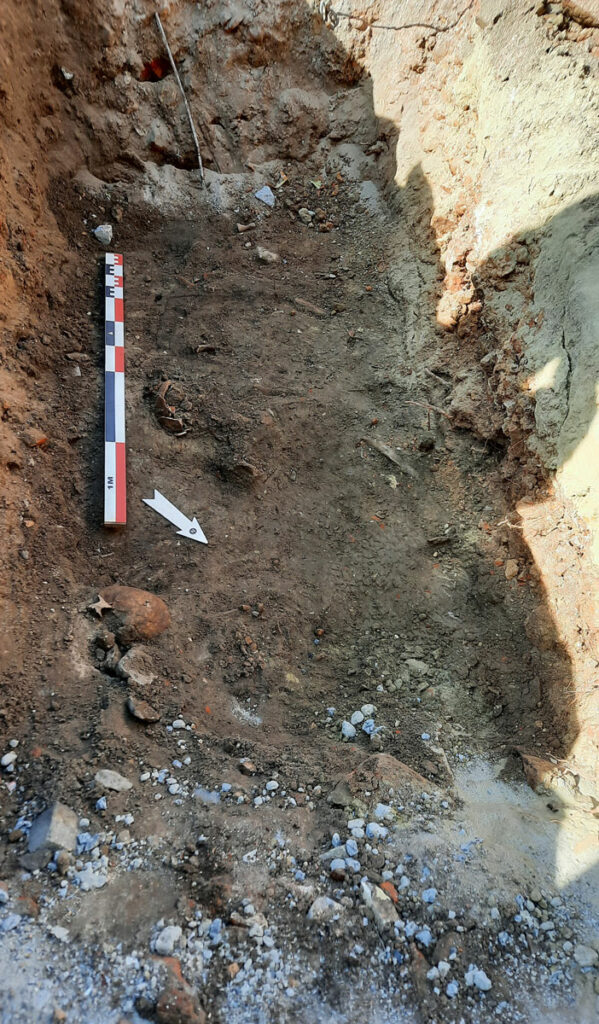

Skeletal remains from postmedieval Dutch communities show that child labor could damage the spine at very young ages, according to a study published in the International Journal of Paleopathology.
Researchers Alex Tutwiler and Rachel Schats of Leiden University examined the remains of 143 non-adults, ranging from about 4 to 25 years old. The individuals came from rural dairy farms in Middenbeemster and industrial factories in Arnhem, and were compared with children from affluent, nonworking families in Delft. The study covers communities dating from roughly 1650 to 1850.
The researchers identified worn spinal joints, extra bone growth along the edges of vertebrae and Schmorl’s nodes—indentations formed when the cushioning discs between vertebrae press into the bone. These changes are commonly associated with aging or prolonged physical stress, but some were present in children who had not yet lost all of their baby teeth.
The most severe damage appeared among children from Middenbeemster. Historical records indicate that children as young as 9 worked there carrying milk basins and cheese molds. The study links this heavy lifting and repetitive activity to wear in the upper back, although the skeletal evidence cannot identify every individual’s precise duties or workload.
Children from Arnhem’s factories showed spinal conditions more similar to those found among Delft’s affluent children. The researchers suggest that spinning, sewing and weaving—despite workdays that could last 12 hours—placed less stress on the spine than the farm labor. Lower-back problems were still present among the factory group.
A small number of spinal changes among the Delft children may have resulted from activities such as play or horseback riding, the study speculated. The researchers also noted that prolonged sitting while studying and reading could have contributed to some damage, suggesting that both intense labor and limited physical activity affected developing bodies in different ways.
Historical accounts document children’s working hours, wages and duties, but provide less information about the physical consequences. The skeletal evidence offers another way to assess those effects, according to the researchers.
Tutwiler plans to use CT scans in future work to investigate whether children’s arms and legs show related patterns of stress. The study also places the Dutch evidence within a continuing global issue: UNICEF estimated that 137.6 million children were involved in forced labor worldwide in 2024.