Archaeology.Today
Field Report

Archaeology of Learning in Medieval Greenland Examines Children’s Play

Research combining artifacts, historical records and ethnographic information compares how Norse and Inuit children learned in medieval Greenland. The study argues that contrasting approaches to play and instruction shaped how communities engaged with their environments as climate conditions changed during the Little Ice Age.

September 5, 2026
1 Source
The Story

An archaeological study of children’s toys and learning practices in medieval Greenland compares Norse and Inuit communities and considers how their different educational traditions may have affected adaptation to environmental change.

The research, described by the Society for Historical Archaeology, combines artifacts with historical and ethnographic evidence from Greenland between the 10th and 15th centuries CE. Rather than treating toys only as objects of recreation, the researchers use them to examine how children learned about work, nature and community life.

According to the account, Norse childhood learning was instructional and organized around age-based routines associated with farming. The available evidence shows little play connected with wild resources or hunting. This pattern suggests that children were primarily being prepared for the structured activities of farm life.

The Inuit evidence presents a different model. Children appear to have learned through observation, exploration and participation in adult activities from an early age. The research describes fewer clear divisions between nature and culture, with learning extending across the surrounding environment rather than focusing mainly on a defined set of household or agricultural routines.

Climatic fluctuations associated with what is now called the Little Ice Age began in the 13th century. Storm patterns and Icelandic volcanic eruptions placed Greenland’s conditions beyond those in which the Norse settlements and their teaching traditions had developed. Many factors contributed to the settlements’ disappearance in the 15th century, and the research does not identify childhood learning as a single cause.

Instead, the comparison raises the possibility that the way children were taught to understand their surroundings influenced the resilience of communities facing change. The Inuit approach, as characterized in the research, emphasized observing and tracking the wider environment. Inuit people comprise approximately 90 percent of Greenland’s population today.

The study’s broader argument is that archaeology can investigate not only what children possessed, but also how they learned to interpret and respond to the world around them. In a period when past environmental conditions may no longer provide a reliable guide to the future, the researchers present the archaeology of toys as a way to examine how learning practices can have consequences across generations.

Reference Desk

Sources & Further Reading

Continue Exploring

Related Archaeology

More stories
Medieval Coin Hoard of 2,600 Silver Pieces Found in Kolomna
01
Artifacts
Score 75

Medieval Coin Hoard of 2,600 Silver Pieces Found in Kolomna

Archaeologists have uncovered about 2,600 silver coins inside a ceramic jug in Kolomna, western Russia. Most are dengi minted by rulers of the Grand Principality of Moscow, while more than 350 appear to be previously unknown local varieties.

Read story
Medieval Manuscript Fragments Illuminate Guernsey’s Literary Past
02
Artifacts
Score 75

Medieval Manuscript Fragments Illuminate Guernsey’s Literary Past

Seventeen fragments reused in early modern administrative bindings provide the first substantial evidence of medieval books and reading on Guernsey. Six are written in French, including a rare passage from a dramatic Griselda poem that survives in only one other manuscript.

Read story
Anglo-Saxon Settlement and Stone Age Tools Found in Suffolk Excavation
03
Excavations
Score 55

Anglo-Saxon Settlement and Stone Age Tools Found in Suffolk Excavation

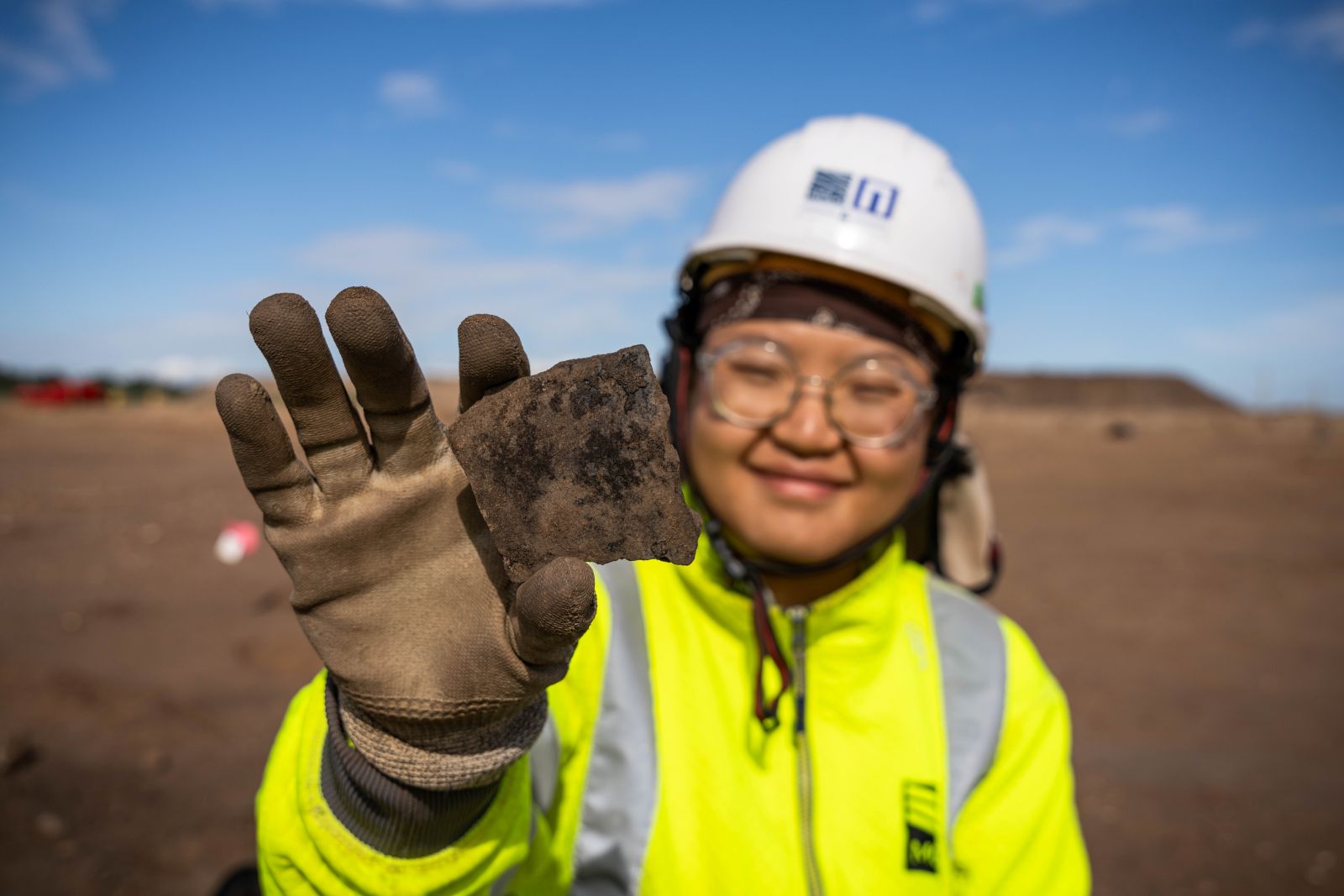
Archaeological work linked to the East Anglia TWO project has revealed an Anglo-Saxon settlement near Friston, prehistoric stone tools and medieval kilns across more than 24 hectares in Suffolk. Researchers also found a complete flint arrowhead estimated to be 4,000–6,000 years old.

Read story
Archaeologists Record Norfolk Church Threatened by Coastal Erosion
04
Discoveries
Score 55

Archaeologists Record Norfolk Church Threatened by Coastal Erosion

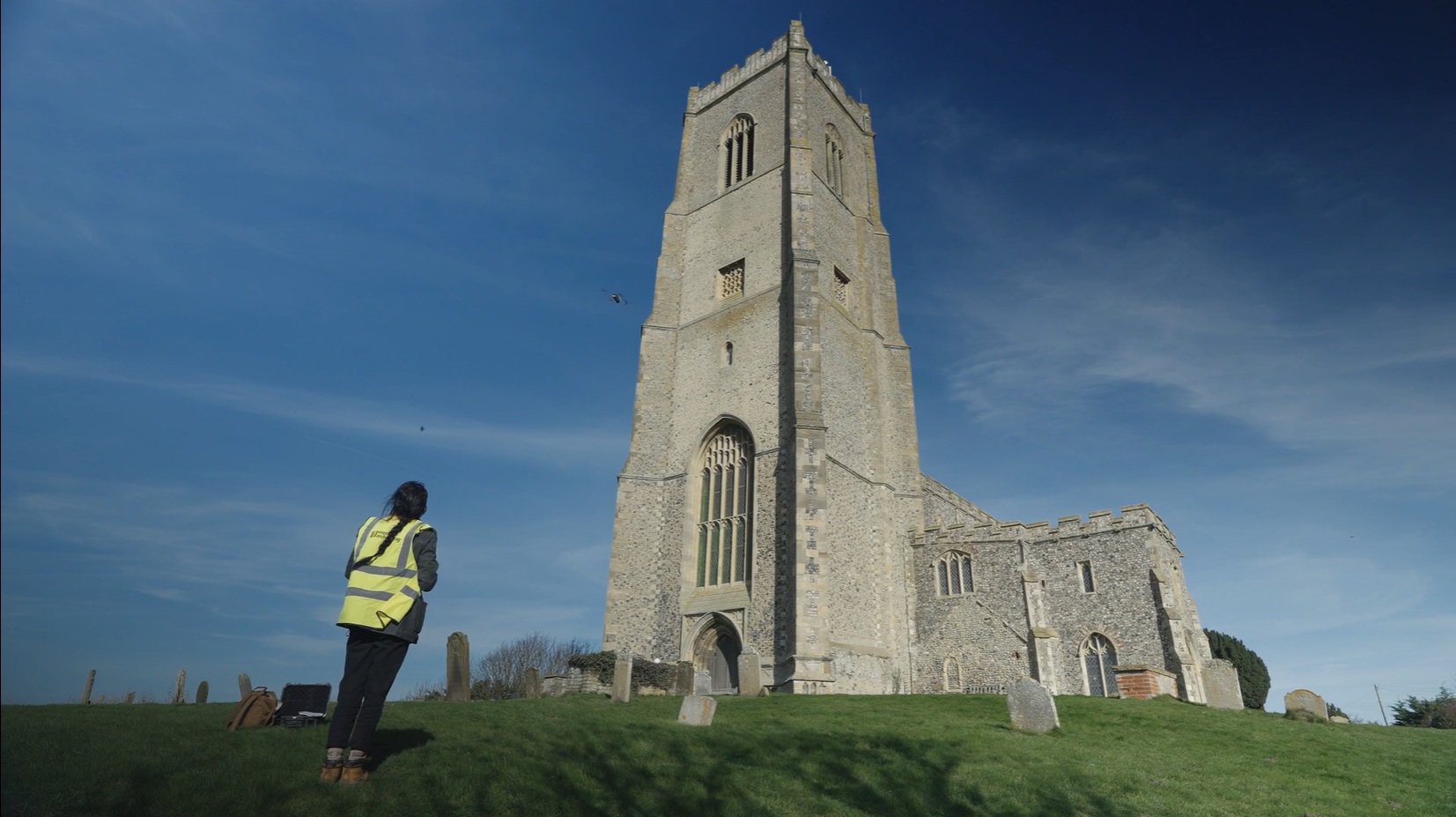
A community archaeology project has documented St Mary the Virgin in Happisburgh, Norfolk, a 14th-century church now about 80 metres from the North Sea. Laser scanning, 3D photography and oral histories will preserve records of the building and its local significance if erosion eventually takes the site.

Read story
Drone Survey Reveals Interior of Medieval Well at Sheffield Castle
05
Discoveries
Score 55

Drone Survey Reveals Interior of Medieval Well at Sheffield Castle

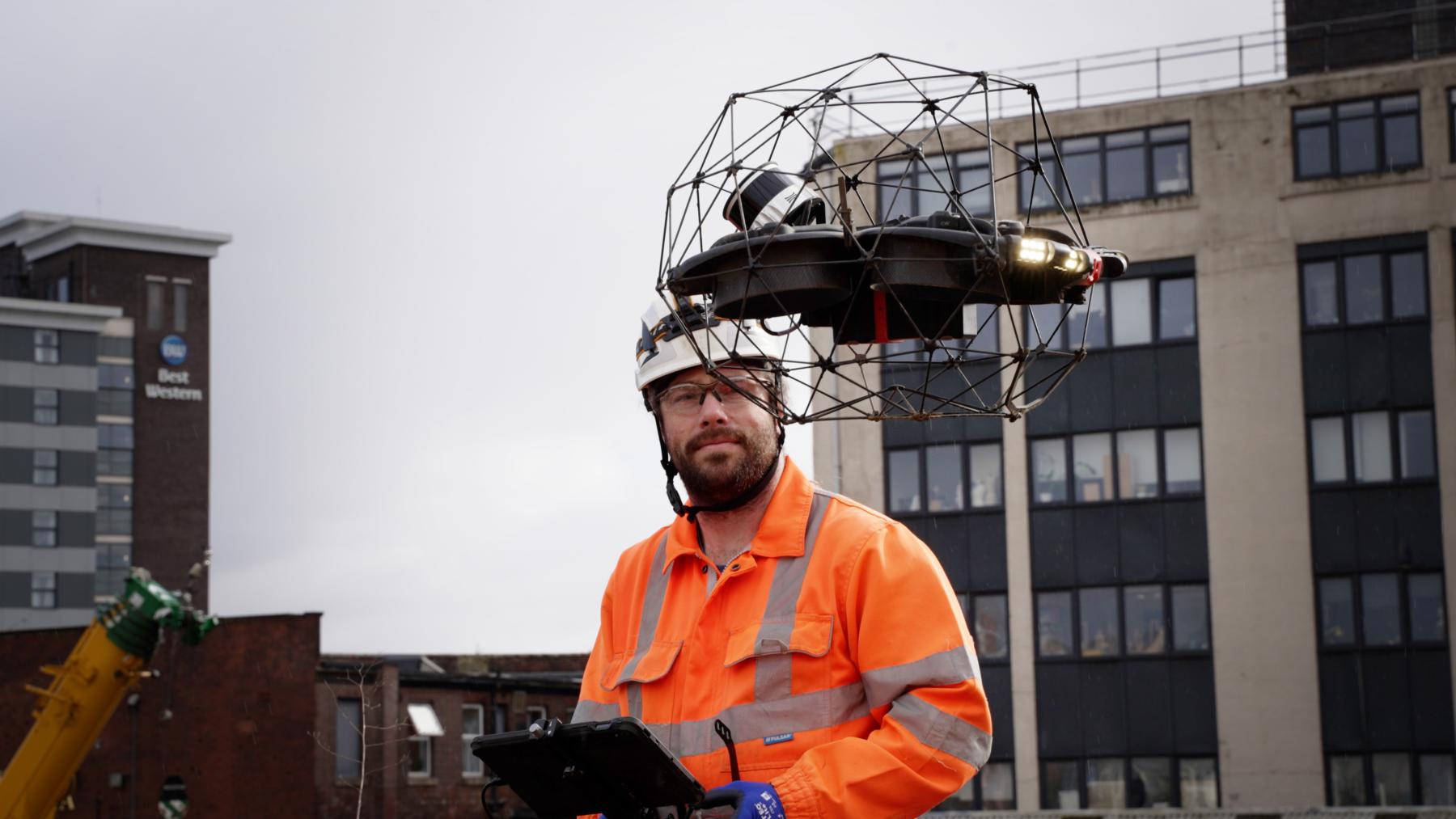
A caged drone has surveyed a 12.5-metre medieval well within Sheffield Castle’s Norman motte, producing hundreds of images for a 3D model. The work found construction details and confirmed that water remains at the bottom of the shaft.

Read story
Medieval Parchment Preserves DNA Evidence of Sheeppox History
06
Discoveries
Score 55

Medieval Parchment Preserves DNA Evidence of Sheeppox History

DNA recovered from parchment and ancient sheep teeth has allowed researchers to trace sheeppox virus across more than 3,500 years. The study detected viral DNA in manuscripts including the York Gospels and Corpus Glossary, while findings from calfskin and goatskin parchment may reflect cross-species infection or contamination.

Read story