A new community heritage project is documenting the maritime history of Scotland’s Firth of Forth, from Stirling to both sides of the Outer Forth. Funded by Historic Environment Scotland and The Seafarer’s Charity, the initiative is being run by Wessex Archaeology through online and in-person workshops continuing until September 2026.
Participants are using historic maps and charts, some dating back to the 16th century, alongside local knowledge to record structures associated with the construction, operation and loss of ships. These include piers, docklands, net lofts, fuel stores, fish-curing stations and harbour cranes. The work is also intended to identify features that have not yet been included in historic environment records.
The first stage, described as “Taking Stock,” is currently underway. Its results will form a dataset for examining how maritime activity developed across the region, from small facilities such as a pier serving a quarry to larger industrial areas at Grangemouth and Leith.
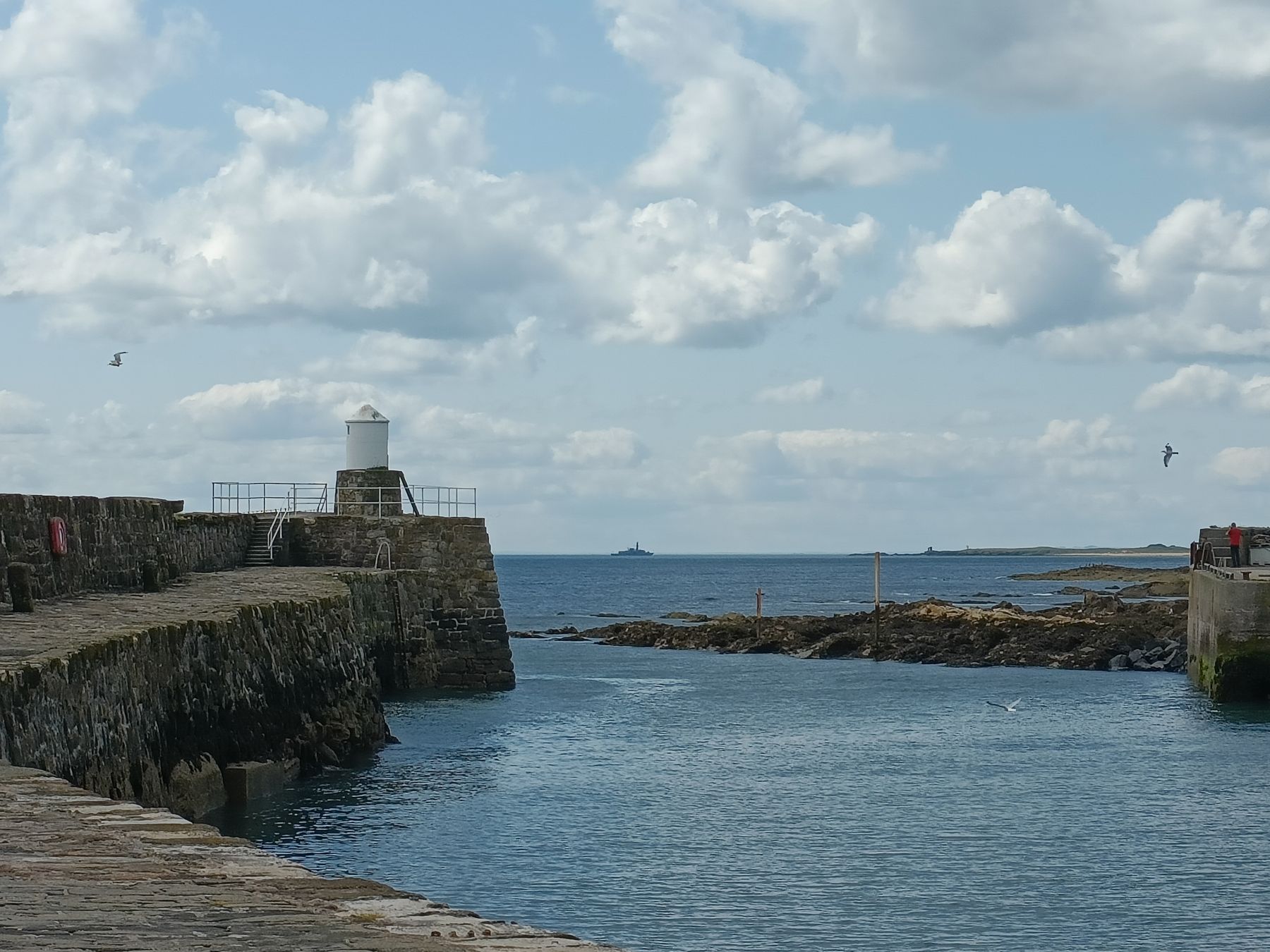
The project describes the Forth as a major route for movement, trade and exchange before the development of extensive road and rail networks. Fishing, shipbuilding, coal, lime and stone exports, and imports such as timber supported harbours and related industries around the waterway. The Forth remains an important seaway, with navigational aids including lighthouses and buoys.
A second phase, “Finding the Fleet,” will investigate how mariners navigated the Forth and where shipping faced the greatest dangers. Researchers plan to combine mapped navigation aids, the distribution of maritime activity and known wrecks, accounts from mariners—including those who worked before GPS—and geological mapping of the seabed.
The project says seabed conditions may affect whether wreck material survives and remains visible. Bare rock may be less likely to preserve wreck material, while soft sediments such as mud could cover and obscure it. By combining these factors, the team hopes to identify areas where currently undiscovered wreck material is most likely to survive. This will indicate potential locations for future investigation, rather than confirming the presence of undiscovered wrecks.
People interested in the Forth, maritime heritage or life at sea can contribute local knowledge, personal experiences or time. No previous online mapping or heritage experience is required, according to Wessex Archaeology.