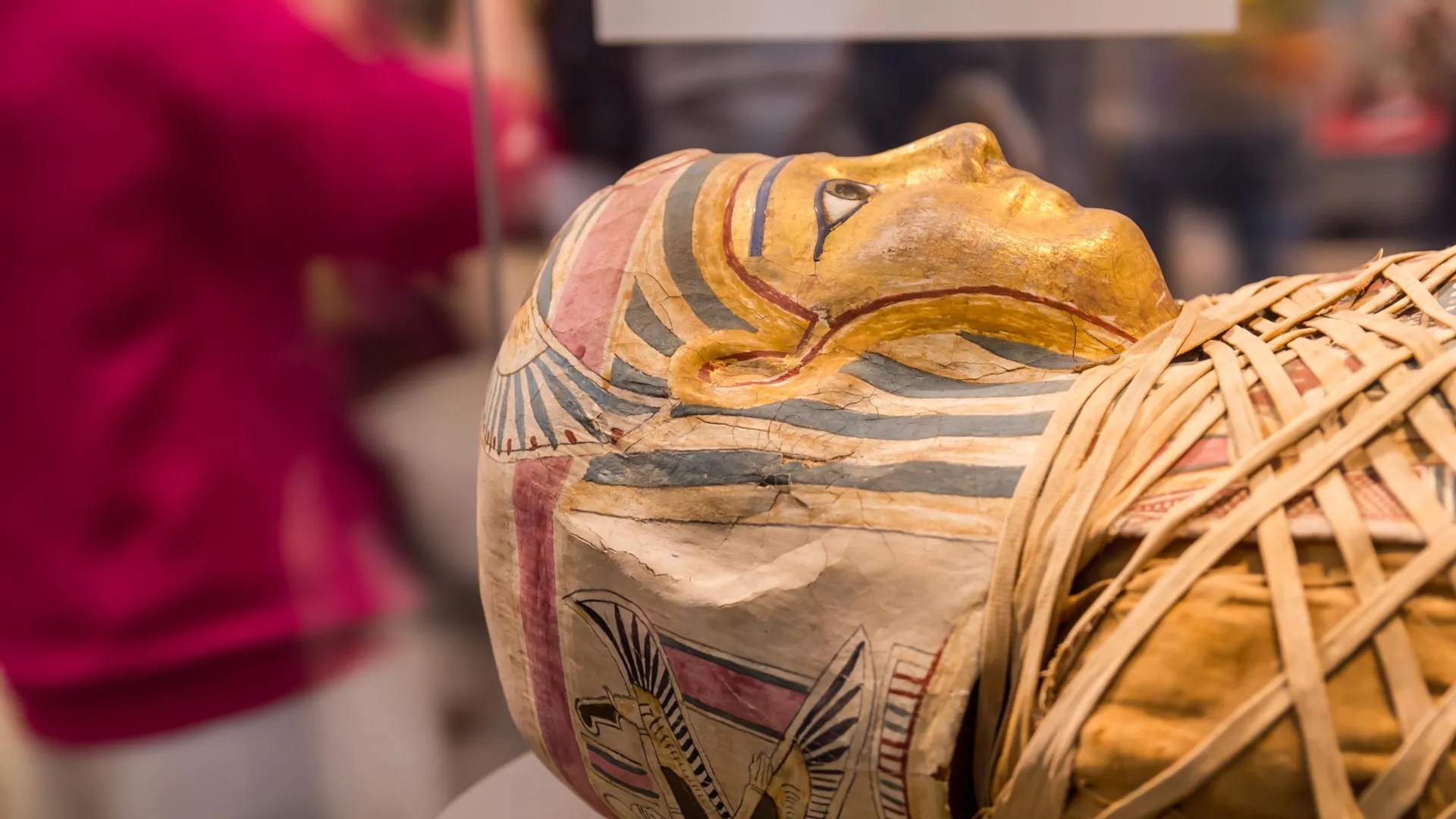
A papyrus fragment containing part of Homer’s Iliad was discovered on the abdomen of a Roman-era mummy at ancient Oxyrhynchus in Egypt. The mummy dates to about 1,600 years ago, and researchers say the text had been deliberately placed there during the embalming process.
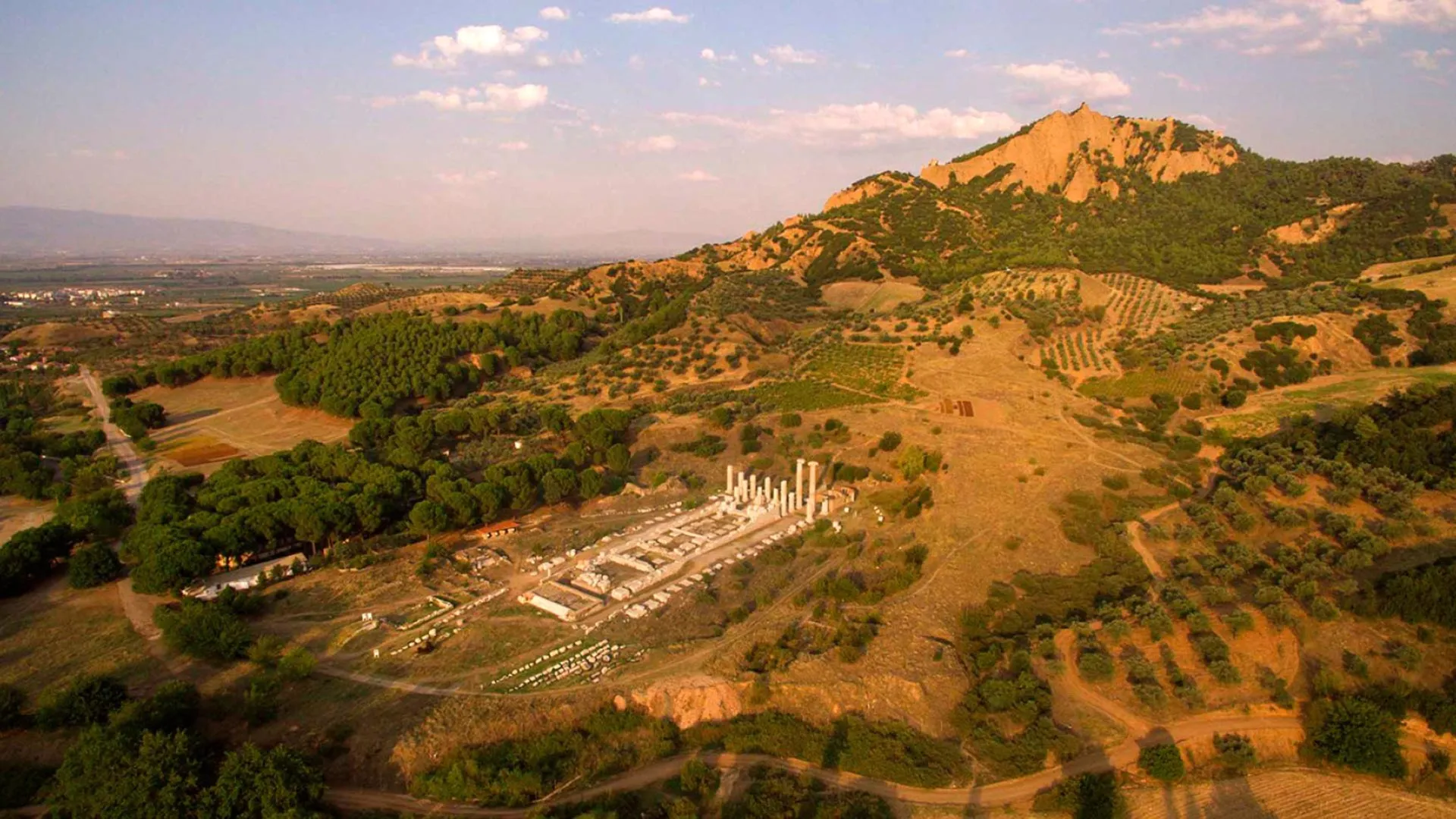
The discovery was made during excavations in November and December 2025 in Tomb 65 of Sector 22, within the Al Bahnasa necropolis. The work was conducted by the Oxyrhynchus Archaeological Mission, directed by Maite Mascort and Esther Pons through the Institute of Ancient Near East Studies at the University of Barcelona. Núria Castellano led the excavation team that uncovered the mummy.
The papyrus was examined during a second research campaign in January and February 2026. Conservator Margalida Munar, papyrologist Leah Mascia and classical philologist Ignasi-Xavier Adiego studied the fragile document. Based on Mascia’s reading, Adiego identified the passage as part of the “Catalogue of Ships” in Book II of the Iliad, a section describing Greek forces preparing for the Trojan War.
The mission had previously found Greek papyri placed in comparable positions during mummification. According to the researchers, those earlier texts were magical or ritual in content. They identify the new find as the first known example from the site—and, they report, the first archaeological evidence identified in this context—of a Greek literary work being incorporated into the mummification process.
The mummy came from a funerary complex consisting of three limestone burial chambers containing Roman-era mummies and decorated wooden sarcophagi. Some of the tombs had previously been damaged by looting, leaving artifacts in poor condition.
The site, located at modern Al Bahnasa about 190 kilometers south of Cairo, has preserved thousands of ancient papyri. The University of Barcelona’s Oxyrhynchus mission began in 1992 and carried out its latest field season from November 2025 through February 2026 in cooperation with Egypt’s Supreme Council of Antiquities and Cairo University.